Wetlands recognised for their ecological importance
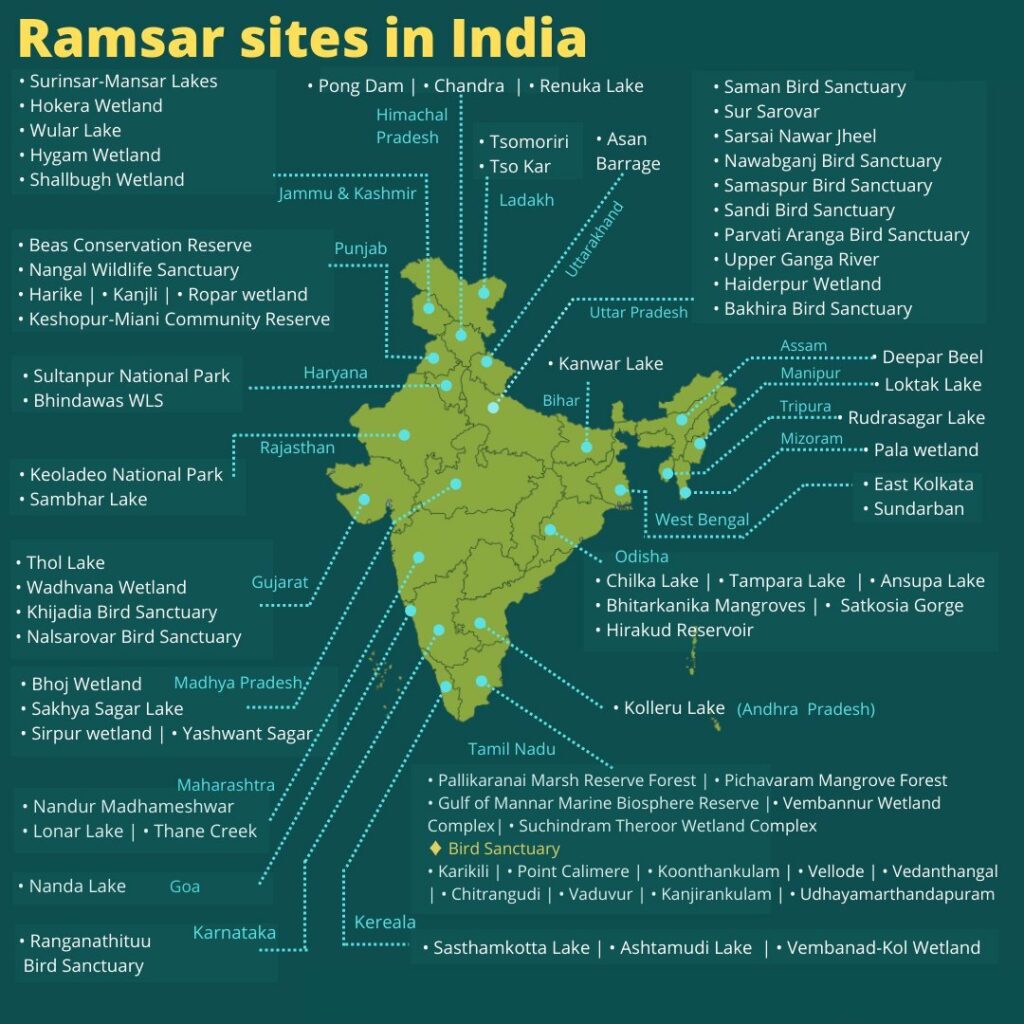
India’s internationally recognised wetland network has expanded with the inclusion of Sukhna Wetland in Chandigarh and Sauj Jheel in Uttar Pradesh. The additions bring the country’s total number of Ramsar sites to 103, drawing attention to the ecological importance of water bodies that support wildlife, regulate water systems and provide resources for surrounding communities.
Wetlands are often overlooked in discussions about environmental infrastructure. Unlike roads, dams or treatment plants, their contribution can be less visible, but healthy wetlands can help absorb excess rainwater, support groundwater recharge and provide habitats for a wide variety of species.
They also play an important role for migratory birds, which depend on suitable feeding and resting areas during seasonal journeys. Changes in water quality, vegetation or surrounding land use can affect these habitats and the species that rely on them.
International recognition highlights a wetland’s significance, but it does not eliminate the need for local protection and management.
Why wetland ecosystems matter
Wetlands perform several functions at once. They provide habitat for fish, amphibians, insects and birds, while supporting food chains that contribute to wider biodiversity.
They can also help reduce the effects of heavy rainfall by temporarily storing water. In some locations, wetlands contribute to groundwater recharge and help maintain the ecological balance of nearby rivers and lakes.
For local communities, these environments can support livelihoods through fishing, tourism and other activities. However, the benefits depend on maintaining water quality and avoiding excessive pressure on the ecosystem.
Pollution, untreated sewage, plastic waste, encroachment and changes to natural water flows can weaken wetland functions. Invasive plant species may also alter habitats and reduce the suitability of wetlands for native wildlife.
Urban wetlands face particular pressure
Sukhna Wetland is associated with Chandigarh, an urban area where development and environmental management must be balanced carefully. Urban wetlands can be affected by construction, runoff, waste disposal and growing demand for land.
As cities expand, natural water bodies may be treated as empty spaces available for development. In reality, they can serve as important components of a city’s drainage and environmental systems.
Protecting these areas requires planning rules that prevent encroachment, regular monitoring of water quality and effective management of the surrounding catchment. Public access can be compatible with conservation, but tourism and recreation must be managed to avoid disturbing wildlife or damaging sensitive habitats.
The same principle applies to wetlands outside major cities. Agricultural runoff, changes in water use and unregulated construction can all affect their ecological condition.
Recognition must be followed by action
Ramsar designation can improve awareness and encourage governments to strengthen conservation measures. But a formal designation is only the beginning of the work.
Authorities need to monitor water quality, maintain natural water flows, control pollution and protect surrounding habitats. Conservation plans should also involve local residents, who often have valuable knowledge about seasonal changes and the practical challenges of managing a wetland.
Regular assessments can help determine whether wildlife populations are stable, whether pollution is increasing and whether conservation measures are effective. Public education can also reduce dumping and encourage more responsible use of natural areas.
Wetland protection is increasingly relevant to climate resilience. As rainfall patterns become less predictable and extreme weather creates new challenges, natural water-storage systems can complement engineered infrastructure.
The long-term environmental challenge
India’s expanding wetland network provides an opportunity to strengthen biodiversity protection and water management. Yet the number of recognised sites alone cannot measure the health of the country’s wetland ecosystems.
The real measure of success will be whether these places remain ecologically functional, whether local communities benefit from their protection and whether damaging activities are controlled.
The inclusion of Sukhna Wetland and Sauj Jheel brings additional attention to the value of natural water bodies. Maintaining that attention through sustained investment and effective management will be essential if the recognition is to deliver lasting environmental benefits.