Digital records aim to make agricultural services easier to access
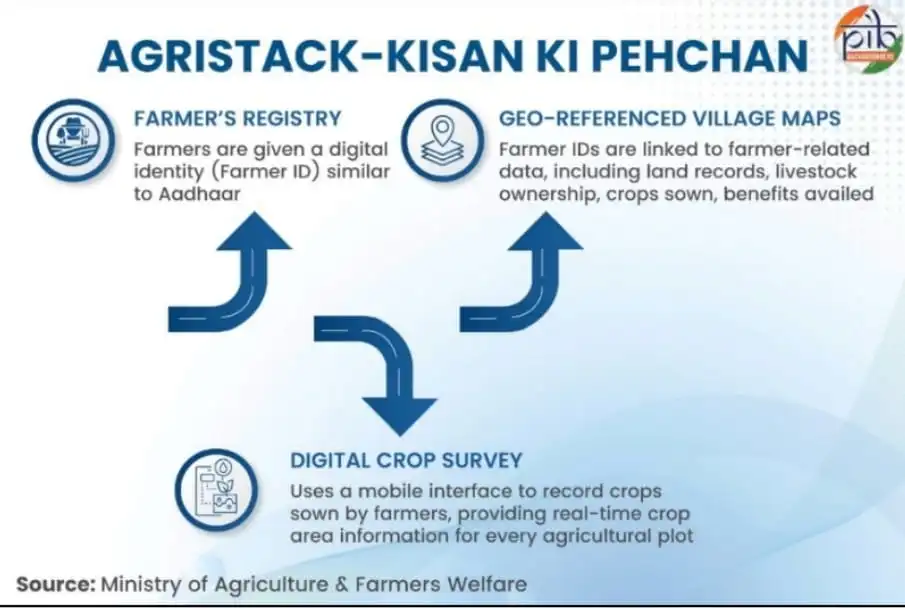
India’s digital agriculture programme is seeking to improve how farmers access government services by creating identification records that can connect agricultural information with public support schemes. The programme has reported more than 11 crore farmer identification records, marking a significant expansion in the country’s agricultural digital infrastructure.
The initiative is part of a wider effort to modernise agricultural administration. Farmers frequently interact with different departments for subsidies, insurance, financial assistance, crop-related services and other forms of support. When records are fragmented across separate systems, the process can involve repeated paperwork and delays.
A reliable digital identification system could make it easier to verify information and reduce duplication. It could also help authorities understand which regions need support and how agricultural programmes are reaching their intended beneficiaries.
However, the number of records created is only one measure of progress. The real test is whether farmers can use the system easily and whether the information held in it is accurate.
How digital records could change agricultural administration
Agricultural programmes often require information about a farmer’s identity, landholding, crop activity and eligibility for particular benefits. If the relevant records can be linked securely, authorities may be able to process applications more efficiently.
For example, accurate records could support the administration of crop insurance or help officials identify eligible farmers when assistance is announced after a natural disaster. Digital systems may also reduce the need to submit the same documents repeatedly to different offices.
For government agencies, better information can support planning and improve visibility into gaps in programme coverage. If a region experiences crop damage or a water shortage, reliable records may help officials estimate the number of affected farming households.
These benefits are not automatic. They depend on accurate data, consistent procedures and the ability of departments to use the information effectively.
Why farmers must be able to correct errors
Agricultural records can be complicated by inheritance, tenancy, shared ownership and differences between official documents. A farmer may cultivate land without being its registered owner, while another may face outdated information in land records.
If a digital system relies on incorrect information, a farmer could face delays or difficulty accessing benefits. An effective system must therefore include clear procedures for correcting mistakes, appealing decisions and obtaining assistance.
Local agricultural offices and service centres can play an important role, particularly for people who do not have reliable internet access or who are unfamiliar with online applications.
Digital registration should make public services easier to access rather than create an additional obstacle. Farmers should be able to understand what information is collected, why it is required and how it will be used.
Data protection and trust are essential
Digital agricultural records may contain personal information about identity, land and financial eligibility. Protecting that information is therefore a central responsibility.
Authorities need safeguards against unauthorised access, data leaks and inappropriate use. Farmers should also have clear information about which departments can access their records and what protections apply.
Trust is particularly important in rural areas, where people may worry that an error in a digital system could affect their access to assistance. Transparent procedures and responsive support can help address these concerns.
A digital system should also be designed to work under real-world conditions, including limited connectivity, local-language requirements and differences in digital literacy.
From registration to practical results
The next phase of digital agriculture should focus on how well the system improves outcomes. Useful measures include the time required to process applications, the number of errors corrected, the speed of benefit delivery and farmers’ ability to resolve problems.
Digital records may also support future agricultural services, including improved crop information, insurance administration and more targeted advice. Such uses should be introduced carefully, with attention to accuracy and data protection.
India’s large agricultural sector makes efficient administration especially important. Even small improvements in processing times or access to support can matter when multiplied across millions of farming households.
The programme’s long-term success will therefore depend not simply on expanding the number of registrations, but on making the system reliable, inclusive and useful to farmers in their everyday lives.