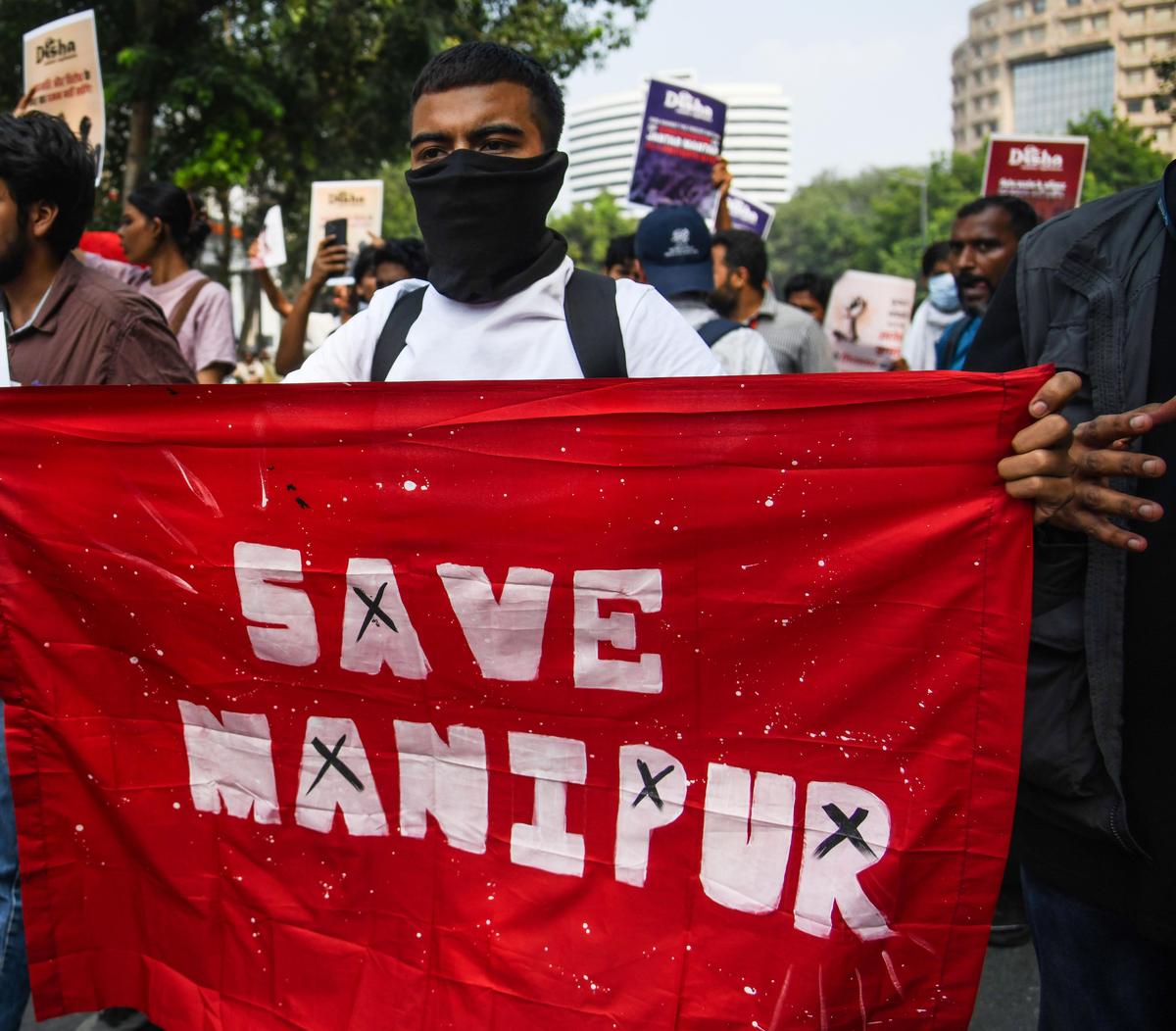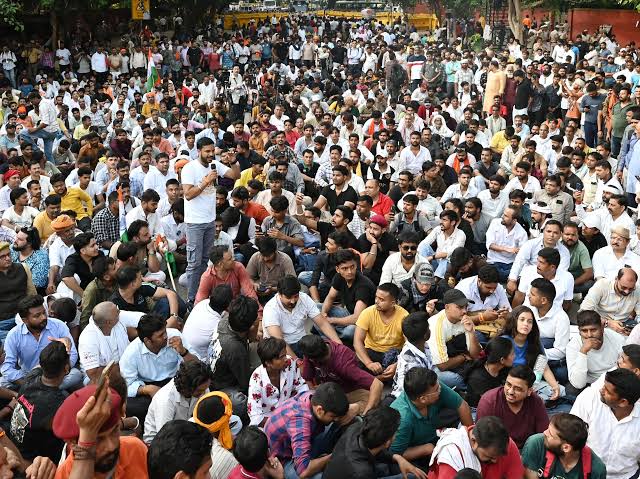
India’s reservation system has once again become the centre of a major public debate. Large numbers of protesters gathered in Delhi’s Jantar Mantar in August 2026 as part of the “Reservation Hatao Andolan”, demanding major changes to the country’s reservation policy. The movement has attracted attention because its supporters argue that government benefits and reservation should be based primarily on economic condition rather than caste.
The issue is politically and socially sensitive because reservation is not simply a government policy that can be changed overnight. It is deeply connected with India’s Constitution, historical discrimination, social inequality and representation in education and employment.
The latest development, however, is that the government has indicated that it is willing to engage with the protesters and hear their demands.
What Happened at Jantar Mantar?
A large gathering of people assembled at Delhi’s Jantar Mantar on August 21 and 22 as part of the growing reservation-reform movement. Protesters raised slogans against the existing caste-based reservation framework and called for changes to the system. Reports said more than 50 people were detained during one of the demonstrations.
The protesters’ central argument is that economic disadvantage should receive greater importance when deciding who needs government support. According to reports, the movement is seeking a system in which economic criteria take precedence over caste in determining eligibility for reservation and other government assistance.
The movement has also received substantial attention through social media, helping the issue reach a much wider audience beyond the protest site.
Will a Union Minister Meet the Protesters?
This is currently the most important development.
Uttar Pradesh Deputy Chief Minister Brajesh Pathak said that the demands of students associated with the reservation-reform movement would be conveyed to the BJP’s central leadership. He also said that a delegation of protesters would meet a Union minister within the next two days.
Union Minister Chirag Paswan separately said that the government is open to dialogue with the protesters if their demands are presented systematically. He stressed that discussions should take place through a structured presentation of the issues rather than through confrontation.
However, this should not be interpreted as a government decision to abolish reservation.
The available reports indicate that a dialogue has been proposed or offered. They do not show that the government has agreed to end the reservation system.
What Are the Protesters Demanding?
The main demand reported from the movement is a shift away from caste as the primary basis for reservation and toward economic criteria.
Supporters argue that poverty affects people across communities. According to this viewpoint, a financially disadvantaged person should receive greater government assistance regardless of caste, while economically well-off families should not continue receiving the same benefits simply because they belong to a particular social category.
Protesters also argue that the reservation system should be reviewed in light of India’s changing economic and educational environment.
Their broader argument can be summarised around three ideas:
- Greater emphasis on economic disadvantage
- A review of the existing reservation framework
- More focus on equal opportunity and merit
These demands have generated strong support among some sections of students and young people, particularly those concerned about competition for government jobs and educational seats.
Why Is Reservation Such a Sensitive Issue?
To understand the controversy, it is important to understand why reservation exists in the first place.
India’s reservation system was developed to address historical social discrimination and the under-representation of certain communities in education, government employment and political institutions.
Supporters of reservation argue that economic poverty alone cannot capture the effects of caste-based discrimination. A person may have financial resources but still face social discrimination because of their caste identity.
This is why many advocates believe that replacing caste-based reservation entirely with an economic system could fail to address the deeper social inequalities that reservation was designed to tackle.
Union Minister of State for Social Justice and Empowerment Ramdas Athawale has strongly defended reservation, describing it as a constitutional right and arguing that the focus should instead be on eliminating the caste system itself.
This illustrates the fundamental disagreement between the two sides.
The Economic Criteria Argument
Those demanding reform argue that economic disadvantage should play a much larger role.
India already recognises economic disadvantage in its reservation framework through the 10% Economically Weaker Sections (EWS) quota. Chirag Paswan pointed to this existing provision while discussing the debate over economic criteria.
Supporters of economic criteria argue that expanding this approach could make government assistance more directly connected to financial need.
But opponents question whether economic criteria alone can replace caste-based measures because caste discrimination is not necessarily eliminated when a person’s income rises.
This creates a difficult policy question:
Should reservation primarily address historical social discrimination, current economic disadvantage, or both?
Is the Government Planning to End Reservation?
At present, there is no confirmed decision to abolish India’s reservation system.
The current development is about dialogue and consideration of demands. Brajesh Pathak has said the protesters’ demands will be taken to the BJP’s central leadership, while Chirag Paswan has indicated that the government can engage with protesters who present their demands systematically.
There are also important differences within the protest movement itself. Some individuals associated with the broader “Reservation Hatao Andolan” have reportedly distanced themselves from particular meetings and representatives, saying the movement will continue until its own representatives directly engage with the government.
Therefore, it would be premature to say that reservation is about to end.
Why This Debate Matters for India’s Youth
For millions of young Indians, reservation is directly connected with education, competitive examinations and government employment.
Students who oppose the current system often raise concerns about competition and merit. On the other hand, supporters of reservation argue that equal competition cannot exist without addressing unequal starting conditions.
Both perspectives reflect genuine concerns.
The challenge for policymakers is therefore to create a system that protects historically disadvantaged communities while also ensuring that economic hardship receives meaningful attention.
A transparent review based on reliable data could help make the debate more constructive.
What Happens Next?
The immediate next step is expected to be dialogue between representatives of the movement and a Union minister. The outcome of that meeting could determine whether the protest develops into a broader political movement or moves toward a structured policy discussion.
At the same time, Delhi Police has warned people against acting on unverified social-media posts about protests and said that permission had not been granted for some proposed gatherings.
The reservation debate is therefore far from settled.
Conclusion
The question “Will reservation end?” is currently generating enormous attention, but the facts point to something more nuanced.
India is witnessing a renewed demand for reservation reform, particularly from groups that want economic status to receive greater importance. The government has signalled an openness to dialogue, and a meeting with a Union minister has been promised.
However, there is no confirmed government decision to abolish reservation.
The real debate is likely to be about how India’s reservation system should evolve—whether caste, economic condition or a combination of factors should determine eligibility, and how the country can balance social justice with equal opportunity.
For now, the protest has opened an important national conversation. What comes next will depend on whether that conversation remains peaceful, evidence-based and focused on finding a policy that addresses both historical inequality and present-day economic hardship.