Why Taiwan Has Become a Major International Flashpoint
The latest diplomatic confrontation centres on Taiwan, a self-governing island in East Asia that China considers part of its territory. Taiwan operates with its own elected government, military, economy and democratic institutions, but Beijing has never accepted its separation from mainland China.
The dispute has remained one of the most sensitive geopolitical issues in the world for decades. China has repeatedly stated that it seeks eventual reunification, while Taiwan’s government maintains that its future should be decided by its people.
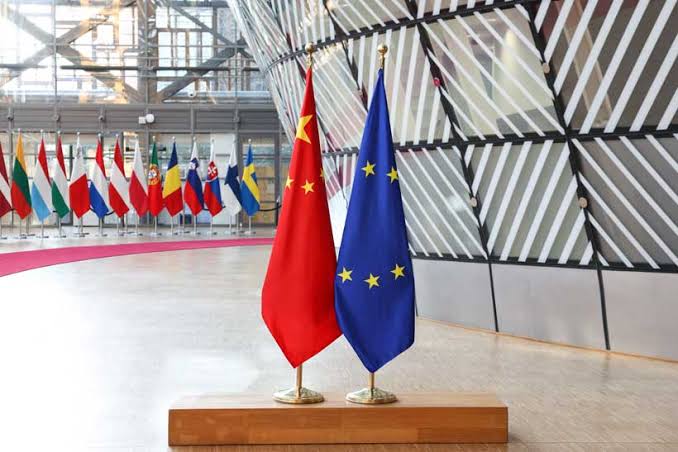
The United States and several other Western countries have significant strategic interests in maintaining stability across the Taiwan Strait. The latest G7 declaration reflects growing concern that China’s activities could increase the risk of a military confrontation.
According to Reuters, Chinese coast guard patrols around the waters east of Taiwan have become increasingly frequent since June 2026. Taiwan’s authorities believe that the activities could be part of preparations for a possible maritime blockade.
G7’s Strongest Unified Warning Against China’s Activities
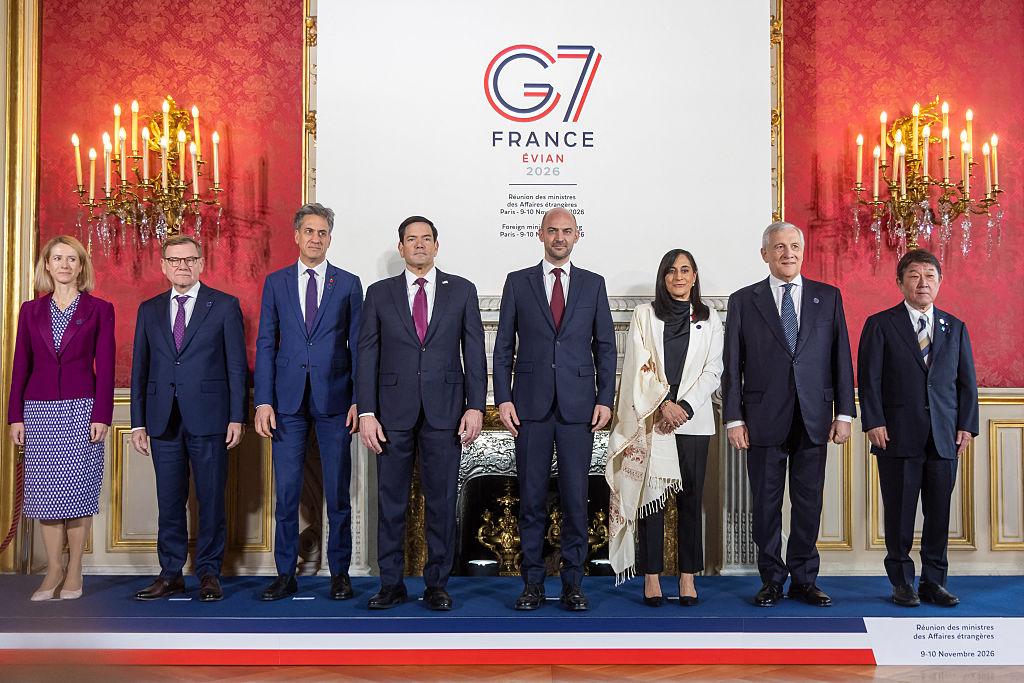
The G7 foreign ministers’ meeting in Paris brought together representatives from the United States, United Kingdom, Canada, France, Germany, Italy and Japan, alongside the European Union.
Following their discussions, the foreign ministers issued a joint declaration expressing concern about China’s increasingly assertive activities in the waters east of Taiwan.
The declaration specifically warned that these activities threaten regional stability, freedom of navigation and the safety of international shipping.
The ministers also reaffirmed their opposition to unilateral attempts to change the existing situation through force, coercion or threats.
What makes this declaration particularly significant is its level of collective support. Although individual G7 members have previously criticised China’s military activities around Taiwan, Reuters described the latest statement as the strongest unified expression of concern about China’s actions in the area to date.
The declaration does not announce new military action or sanctions against China. Instead, it sends a diplomatic warning that any attempt to alter the regional balance through force could have consequences for international security.
China’s Response: Beijing Rejects the G7 Warning
China strongly rejected the G7 declaration, describing it as interference in its internal affairs.
Chinese Foreign Ministry spokesperson Mao Ning criticised the statement, accusing the G7 of maintaining a Cold War mentality and engaging in bloc politics.
Beijing maintains that Taiwan is an inseparable part of Chinese territory and considers the Taiwan question an internal matter rather than an international dispute.
Chinese President Xi Jinping reiterated his commitment to reunification on November 12, saying that the process should be achieved peacefully.
However, China has not ruled out the use of force under certain circumstances, a position that continues to concern Taiwan and its international partners.
The disagreement demonstrates the fundamental diplomatic divide: China views reunification as a national objective, while Taiwan considers maintaining its democratic self-government essential to its future.
Why Taiwan’s Eastern Coast Is Strategically Important
An important part of the latest development involves China’s increased activity on Taiwan’s eastern side.
Taiwan is located approximately 130 kilometres from mainland China’s southeastern coast at its closest point. The Taiwan Strait separates the island from mainland China, while the waters east of Taiwan open towards the wider Pacific Ocean.
The eastern side is particularly important because it provides access to potential supply routes connecting Taiwan with international partners.
In a potential military conflict or blockade, these routes could become essential for receiving supplies, military assistance and other resources.
Taiwanese officials have accused Chinese coast guard vessels of harassing shipping and attempting to exercise jurisdiction over waters that Taipei considers its own.
Taiwan’s government also believes that China could be practising a blockade strategy by combining the activities of its navy, coast guard, paramilitary forces and civilian vessels.
A maritime blockade would not necessarily begin with a direct military invasion. It could involve restricting commercial shipping, inspecting vessels, establishing exclusion zones or creating conditions that discourage international ships from entering Taiwanese ports.
Such a situation could create serious economic and security challenges even without a full-scale military conflict.
China’s Aircraft Carrier Drills Add to Regional Concerns
Another development contributing to regional concerns is China’s military activity in the Western Pacific.
Taiwan Defence Minister Wellington Koo said on November 10 that China was conducting area-denial exercises involving an aircraft carrier and other naval formations.
Area-denial operations are designed to make it difficult for opposing military forces to operate freely within a particular geographical region.
These exercises can involve naval vessels, aircraft, missiles, surveillance systems and other military capabilities.
For China, developing the ability to control or restrict access to surrounding waters is an important part of its broader military modernisation.
For Taiwan and its partners, however, such exercises raise concerns about the possibility of China attempting to restrict access to the island during a future crisis.
China’s military already operates regularly around Taiwan, and the island’s defence authorities closely monitor these activities.
The latest developments therefore need to be understood as part of a wider pattern of military competition rather than an isolated naval exercise.
Why the United States and Japan Are Closely Watching
The Taiwan issue has major implications for both the United States and Japan.
The United States maintains unofficial relations with Taiwan and provides defensive support under its domestic legal framework, particularly the Taiwan Relations Act. Washington has not established formal diplomatic relations with Taipei, but it remains an important security partner.
The US also follows a policy of strategic ambiguity regarding whether it would directly intervene in a conflict over Taiwan.
Japan has equally important reasons to monitor the situation. Taiwan is geographically close to Japan’s southwestern islands, and instability across the Taiwan Strait could directly affect Japanese security.
The region also contains important shipping routes and supply chains connecting East Asia with international markets.
Any major military confrontation could require neighbouring countries to reconsider their defence arrangements and security policies.
For these reasons, the latest G7 declaration is not simply a diplomatic disagreement between China and Western governments. It reflects a broader concern about maintaining stability throughout the Indo-Pacific region.
Global Economic Consequences of a Possible Taiwan Crisis
The consequences of a conflict around Taiwan would extend far beyond East Asia.
Taiwan plays an important role in the global semiconductor industry. Companies based on the island, particularly Taiwan Semiconductor Manufacturing Company (TSMC), manufacture advanced chips used in smartphones, computers, automobiles, data centres and artificial intelligence systems.
A major disruption to Taiwan’s semiconductor manufacturing or international shipping routes could affect technology companies across the world.
The automotive industry could experience production delays, while consumer electronics manufacturers might face component shortages. Data centre expansion and AI infrastructure projects could also be affected.
International shipping would face additional uncertainty if military exercises or a blockade restricted access to important maritime routes.
Financial markets could react to rising geopolitical risks, potentially affecting investor confidence, international trade and currency movements.
For countries such as India, the situation is particularly relevant because the Indian economy depends on international supply chains for electronics, semiconductor components, machinery and other industrial products.
Although India is not directly involved in the G7’s Taiwan declaration, any prolonged disruption in East Asia could affect its manufacturing ambitions and technology supply chains.
What Happens Next?
The immediate question is whether diplomatic pressure will encourage China to reduce its activities around Taiwan or whether tensions will continue increasing.
Taiwan has welcomed the G7 declaration and said it will continue strengthening its self-defence capabilities while cooperating with international partners.
China, meanwhile, has made clear that it does not accept external criticism of its position on Taiwan.
The G7 statement does not automatically mean that military conflict is approaching. Diplomatic warnings, military exercises and political disagreements do not necessarily lead to war. However, increased military activity creates greater opportunities for miscalculations and unintended confrontations.
The international community will therefore be watching China’s future coast guard patrols, naval exercises and diplomatic engagements with considerable attention.
Conclusion
The G7’s November 12 warning to China represents an important diplomatic development in the ongoing Taiwan dispute. By collectively highlighting concerns about freedom of navigation, regional stability and international shipping, the world’s leading industrial democracies have demonstrated that the situation around Taiwan remains a major international security priority.
China has rejected the criticism and reiterated its commitment to reunification, while Taiwan has welcomed international support and promised to strengthen its defence capabilities.
For the global economy, the stakes are enormous. Taiwan’s strategic location, semiconductor industry and importance to international shipping mean that instability in the region could affect countries far beyond East Asia.
Whether the latest diplomatic intervention helps prevent further escalation remains uncertain. What is clear is that the Taiwan Strait will continue to be one of the most closely watched geopolitical flashpoints in the world.