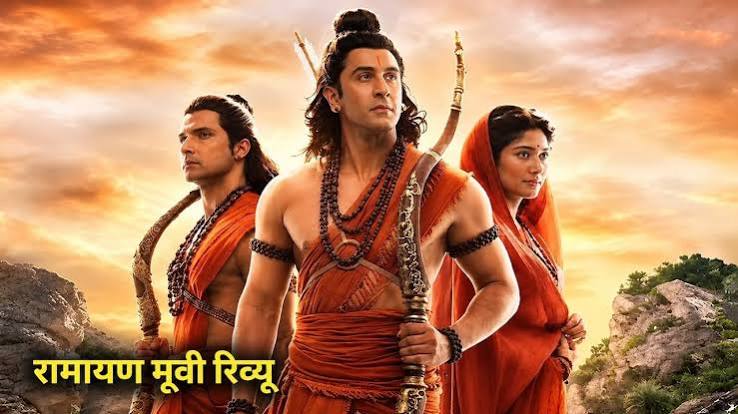
The Ramayan is one of the most important and respected epics in Indian history and culture. Written by Maharishi Valmiki, the Ramayan tells the inspiring story of Lord Rama, his journey of life, his struggle against evil and his commitment to truth, duty and righteousness. It is not just a religious text but also a source of valuable life lessons that continue to guide millions of people across generations.
The story revolves around Lord Rama, Goddess Sita, Lakshman, Lord Hanuman and the battle against the demon king Ravana. Through its characters and events, the Ramayan teaches the importance of honesty, loyalty, courage, family values, sacrifice and the victory of good over evil.
Even after thousands of years, the Ramayan remains relevant because its teachings can be applied to modern life, relationships, society and leadership.
History and Origin of the Ramayan
The original Ramayan was composed in Sanskrit by Maharishi Valmiki, who is widely known as Adi Kavi, meaning the first poet. The epic consists of approximately 24,000 verses and is traditionally divided into seven Kandas, or books.
The seven Kandas describe different stages of Lord Rama’s life, from his birth and childhood to his marriage, exile, the kidnapping of Sita, the war against Ravana and his return to Ayodhya.
Over time, the story of the Ramayan spread across different regions and countries. Many poets and writers created their own versions in regional languages. One of the most popular versions is Ramcharitmanas, written by Goswami Tulsidas in Awadhi.
Today, the Ramayan is not only read in India but is also respected in countries such as Nepal, Thailand, Indonesia, Cambodia and other parts of Southeast Asia.
The Seven Kandas of the Ramayan
The Ramayan is traditionally divided into seven sections, each describing an important part of Lord Rama’s journey.
1. Bala Kanda
Bala Kanda describes the birth and childhood of Lord Rama. He was born as the eldest son of King Dasharatha and Queen Kaushalya in Ayodhya. Lord Rama grew up with his brothers Bharata, Lakshman and Shatrughna.
During his early life, Rama received education and training from his teachers. He later accompanied Sage Vishwamitra to protect religious ceremonies from demons. During this journey, he met Goddess Sita and won her hand in marriage by breaking Lord Shiva’s bow.
2. Ayodhya Kanda
Ayodhya Kanda describes the events that led to Lord Rama’s exile. King Dasharatha initially planned to make Rama the next king of Ayodhya. However, Queen Kaikeyi demanded that her son Bharata become king and that Rama be sent into exile for fourteen years.
To honour his father’s promises, Rama accepted the decision without protest. Goddess Sita and Lakshman also decided to accompany him into the forest.
3. Aranya Kanda
Aranya Kanda describes Rama’s life in the forest. During their exile, Rama, Sita and Lakshman travelled through forests and met several sages.
The demon king Ravana eventually kidnapped Goddess Sita through a deceptive plan involving the golden deer. While trying to rescue Sita, the elderly bird Jatayu fought Ravana but was seriously injured.
This event became a turning point in the story, as Rama began his search for Sita.
4. Kishkindha Kanda
In Kishkindha Kanda, Lord Rama meets Hanuman and Sugriva, the king of the Vanaras. Hanuman becomes one of Rama’s most devoted followers.
Rama helps Sugriva regain his kingdom from his brother Vali. In return, Sugriva promises to help Rama find Sita. The Vanara army begins searching in different directions to locate her.
5. Sundara Kanda
Sundara Kanda mainly focuses on the bravery, intelligence and devotion of Lord Hanuman.
Hanuman crosses the ocean and reaches Lanka, where he discovers Goddess Sita in Ashoka Vatika. He gives her Lord Rama’s ring as proof that he has come on Rama’s behalf.
Before returning, Hanuman creates destruction in Lanka and demonstrates his strength and courage. He then returns to Rama with information about Sita’s location.
6. Yuddha Kanda
Yuddha Kanda describes the great battle between Lord Rama’s army and Ravana’s forces.
With the help of the Vanara army, a bridge is constructed across the ocean to reach Lanka. A major war takes place between the two sides, and many powerful warriors participate.
Eventually, Lord Rama defeats Ravana and rescues Goddess Sita. The victory represents the triumph of righteousness over evil.
7. Uttara Kanda
Uttara Kanda describes events following Rama’s victory and return to Ayodhya. After completing fourteen years of exile, Rama returns with Sita and Lakshman and is welcomed by the people of Ayodhya.
He becomes king and establishes Ram Rajya, traditionally remembered as an ideal period of governance and social harmony. This section also narrates later events involving Sita and their sons, Lava and Kusha.
Important Characters of the Ramayan
The Ramayan contains several memorable characters, each representing different human qualities and values.
- Lord Rama: The central character of the epic, representing truth, righteousness, responsibility and ideal leadership.
- Goddess Sita: Represents strength, patience, devotion, dignity and courage.
- Lakshman: Lord Rama’s younger brother, known for his loyalty, dedication and willingness to sacrifice.
- Lord Hanuman: A symbol of devotion, bravery, intelligence, humility and selfless service.
- Ravana: The powerful king of Lanka, known for his knowledge and strength, but also remembered for his arrogance and wrongdoing.
- Bharata: Represents brotherly love, sacrifice and respect for family values.
- King Dasharatha: The king of Ayodhya and father of Lord Rama, whose promises play an important role in the story.
- Sugriva: The Vanara king who supports Lord Rama in the search for Sita.
Major Lessons and Teachings of the Ramayan
The Ramayan is more than a story of a prince, a princess and a battle. It offers important lessons that remain meaningful in everyday life.
1. Always Follow the Path of Truth
Lord Rama never abandoned his principles, even when difficult situations challenged him. His actions teach us that honesty and truth should remain important in every situation.
2. Respect Parents and Family
Rama accepted fourteen years of exile to honour his father’s promise. This teaches the importance of family responsibilities, respect and sacrifice.
3. Loyalty and Friendship Matter
The friendship between Rama and Sugriva demonstrates how trust and cooperation can help people overcome difficult challenges.
4. Devotion and Dedication Bring Strength
Hanuman’s devotion to Lord Rama shows that true dedication, confidence and determination can help individuals achieve even the most difficult goals.
5. Pride and Ego Can Lead to Destruction
Despite his knowledge, wealth and power, Ravana allowed his ego and desire to control his decisions. His defeat teaches that arrogance and misuse of power can destroy even the strongest individuals.
6. Good Always Wins Over Evil
The victory of Lord Rama over Ravana represents the importance of righteousness, justice and moral strength.
Why Is the Ramayan Still Relevant Today?
Although the Ramayan originated thousands of years ago, its teachings remain valuable in modern society.
Today, people face challenges related to relationships, professional responsibilities, leadership, honesty and personal decisions. The Ramayan provides examples of how patience, discipline, courage and moral values can help people deal with difficult situations.
Lord Rama’s leadership inspires people to become responsible and fair leaders. Hanuman teaches the importance of confidence and dedication, while Ravana’s story reminds us not to let ego and uncontrolled desires influence our decisions.
The Ramayan also highlights the importance of respecting women, maintaining family relationships and supporting others during difficult times.
Its messages are shared through television serials, books, theatre performances, cultural celebrations and educational programmes.
Ramayan in Indian Festivals and Culture
The Ramayan plays a significant role in Indian festivals and traditions.
Diwali: Diwali is traditionally associated with Lord Rama’s return to Ayodhya after fourteen years of exile and his victory over Ravana. According to popular tradition, the people of Ayodhya welcomed Rama, Sita and Lakshman by lighting rows of oil lamps.
Dussehra: Dussehra, also known as Vijayadashami, celebrates the victory of Lord Rama over Ravana. Across many parts of India, large effigies of Ravana are burned to symbolise the destruction of evil.
Ram Navami: This festival celebrates the birth of Lord Rama. Devotees visit temples, organise prayers and participate in religious celebrations.
These festivals help preserve the cultural and spiritual importance of the Ramayan for future generations.
Conclusion
The Ramayan is a timeless epic that continues to inspire people through its powerful story, unforgettable characters and meaningful teachings. The journey of Lord Rama teaches us the importance of truth, responsibility, courage, sacrifice and righteousness.
From Hanuman’s devotion to Sita’s strength and Rama’s commitment to his principles, every character offers valuable lessons for life. The defeat of Ravana reminds us that knowledge and power alone are not enough without good character and self-control.
The Ramayan is not simply a story from ancient history; it is a guide to living a meaningful and responsible life. Its message of the victory of good over evil continues to inspire millions of people and will remain an important part of Indian culture and heritage for generations to come.