
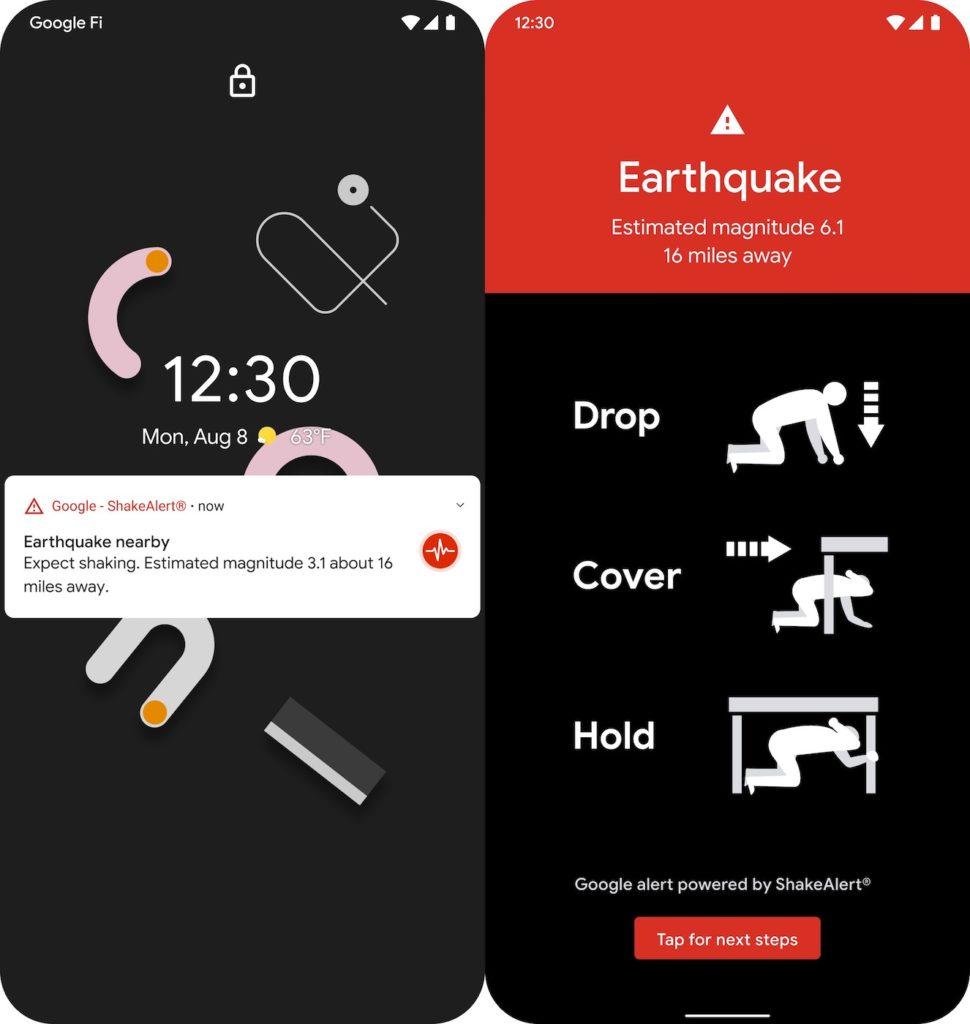
A new scientific study has revealed that Google’s Android Earthquake Alerts (AEA) system successfully warned more than 16 million people during the 2025 Mw 6.2 Marmara Ereğlisi earthquake in Türkiye, providing millions of users with valuable seconds to prepare before the strongest shaking arrived. The findings highlight one of the largest real-world demonstrations of smartphone-based earthquake early warning technology and suggest that ordinary Android phones are becoming a critical tool for public safety.
The research, published this week, evaluated the performance of Google’s global earthquake alert network during the Türkiye earthquake and concluded that the system not only detected the earthquake rapidly but also delivered highly accurate warnings that prompted users to take protective action.
Millions Received Advance Warning
According to the study, Android Earthquake Alerts detected the earthquake just 5.31 seconds after it began.
The system then issued alerts to over 16 million Android users, with warning times varying depending on each person’s distance from the epicenter.
People farther from the earthquake received significantly longer warning times, with some users getting alerts up to 150 seconds before shaking began. The median warning time was approximately 56 seconds, enough for many people to move away from dangerous areas, stop vehicles safely, or take cover.
How the System Works
Unlike traditional earthquake warning systems that rely only on dedicated seismic stations, Google’s Android Earthquake Alerts use millions of Android smartphones equipped with built-in accelerometers.
When many nearby phones simultaneously detect unusual ground movement, Google’s servers analyze the data almost instantly. If an earthquake is confirmed, warning notifications are automatically sent to Android users expected to experience shaking.
Because Android devices are distributed across cities and towns worldwide, the network can sometimes detect earthquakes faster than conventional monitoring systems, particularly in regions with limited seismic infrastructure.
High Accuracy During the Türkiye Earthquake
Researchers found that the system performed exceptionally well during the Marmara Ereğlisi earthquake.
Key findings include:
- More than 16 million users alerted.
- Earthquake detected 5.31 seconds after rupture began.
- Maximum warning times of 150 seconds.
- 90% true-positive detection rate.
- 99% precision for issued alerts.
The study concluded that the combination of rapid detection and broad smartphone coverage significantly improved public warning capabilities.
People Actually Took Protective Action
One of the study’s most important findings involved user behavior.
Researchers analyzed responses from Android users after receiving alerts and discovered that many immediately took recommended safety measures, including:
- Dropping to the ground.
- Taking cover under sturdy furniture.
- Holding on until shaking stopped.
- Warning nearby family members and colleagues.
The researchers also found that timely alerts increased users’ confidence in the system and improved trust in future emergency notifications.
A New Era of Disaster Preparedness
Experts say smartphone-based warning systems could transform disaster preparedness, especially in countries where traditional earthquake monitoring networks are limited.
Because Android devices are already used by billions of people globally, expanding early warning coverage does not require installing entirely new hardware across every region.
Instead, existing smartphones become part of a global seismic detection network capable of helping protect millions of people.
Global Expansion Continues
Google has continued expanding Android Earthquake Alerts into more countries over recent years.
The system now operates across dozens of regions worldwide, making earthquake warnings available to hundreds of millions of Android users.
Researchers believe continued improvements in machine learning and sensor analysis will further increase the system’s speed and accuracy in future earthquakes.
Conclusion
The new study demonstrates that Google’s Android Earthquake Alerts have evolved into one of the world’s largest public earthquake early warning systems. By successfully alerting more than 16 million people during the Türkiye earthquake and achieving high levels of accuracy, the technology has shown how everyday smartphones can play a life-saving role during natural disasters. As earthquake risks continue across many parts of the world, researchers believe systems like Android Earthquake Alerts will become an increasingly important part of global emergency preparedness.