
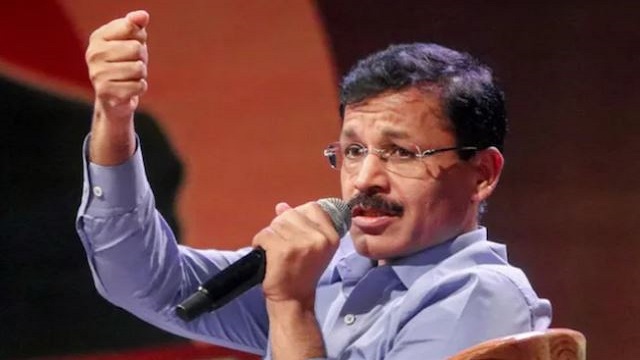
In a significant development for government job aspirants in Maharashtra, the state government has formed a committee to investigate alleged irregularities in the Maharashtra Public Service Commission (MPSC) recruitment system and recommend reforms. Senior IAS officer Tukaram Mundhe has been appointed as the secretary of the committee, following days of protests by aspirants in Pune demanding greater transparency and accountability in state recruitment examinations. <Cite refs={[“turn787822search0″,”turn787822search4”]}/>
The decision, announced on October 11, 2026, comes amid concerns raised by candidates over alleged examination paper leaks, recruitment irregularities, and the functioning of the commission responsible for selecting candidates for government positions.
The committee will be chaired by retired Bombay High Court judge Dilip Bhosale and is expected to submit its report within 60 days. Mundhe’s appointment has attracted attention because of his reputation as a strict administrator and the expectations of candidates seeking a fair and transparent recruitment process. <Cite refs={[“turn787822search0″,”turn787822search2”]}/>
The development represents an important step in the ongoing debate over public recruitment in Maharashtra. For thousands of aspirants who spend years preparing for competitive examinations, the committee’s work could have a direct impact on their confidence in the selection process.
What Is the MPSC Reform Committee?
The Maharashtra Public Service Commission is responsible for conducting recruitment examinations and selection processes for various government posts in Maharashtra, in accordance with its mandate and applicable rules.
MPSC examinations attract large numbers of candidates who prepare for months or years in the hope of securing positions in the state administration and other public services.
Given the importance of these examinations, candidates expect recruitment procedures to be transparent, predictable, and free from malpractice.
However, allegations of irregularities and paper leaks have triggered demands for a comprehensive review of the commission’s functioning. In response to the protests, the Maharashtra government announced the formation of a five-member committee to investigate the allegations and recommend changes to the recruitment system. <Cite refs={[“turn787822search3″,”turn787822search6”]}/>
The committee’s leadership and membership include:
- Dilip Bhosale: Former Bombay High Court judge and committee chairperson.
- Tukaram Mundhe: Senior IAS officer and committee secretary.
- Laxmi Gautam: IPS officer.
- Ganesh Patil: Former IAS officer.
- P. D. Naik: Retired judge.
The panel is expected to examine alleged examination irregularities and identify measures that could improve the integrity and effectiveness of MPSC recruitment. Its findings and recommendations will be important in determining the next steps. <Cite refs={[“turn787822search0″,”turn787822search3”]}/>
Who Is Tukaram Mundhe?
Tukaram Mundhe is a senior Indian Administrative Service officer known for his direct administrative style and high-profile enforcement initiatives.
Over the course of his career, he has served in multiple administrative positions in Maharashtra and has frequently attracted public attention for his approach to governance and implementation of official rules.
As of the latest reports, Mundhe serves as the Commissioner of the state’s Food and Drug Administration (FDA), a role he took up in May 2026. His responsibilities have included enforcement activities aimed at improving food safety and compliance with applicable standards. <Cite refs={[“turn787822search2″,”turn787822news17”]}/>
His appointment to the MPSC committee places him in a key administrative position during a period of public concern over recruitment examinations.
For protesting candidates, the appointment is significant because they have called for a credible inquiry into alleged irregularities and reforms that can restore confidence in the examination system.
However, the committee’s effectiveness will ultimately depend on its authority, access to evidence, independence, and ability to translate its findings into practical recommendations.
Why Are MPSC Aspirants Protesting?
The protests in Pune developed around concerns regarding the functioning of the MPSC recruitment system.
Candidates raised allegations of examination irregularities, including suspected paper leaks, and demanded accountability from the authorities responsible for conducting and overseeing recruitment.
The agitation continued for approximately 10 days, with aspirants gathering near SM Joshi Bridge in Pune. Their demands included a comprehensive inquiry into alleged malpractice, improvements in examination procedures, and action concerning the leadership of the commission. <Cite refs={[“turn787822search4″,”turn787822search5”]}/>
For many aspirants, government recruitment examinations represent a major personal and financial investment. Candidates often spend substantial time preparing for competitive tests, paying for study materials, coaching, accommodation, and travel.
If an examination is compromised, candidates may feel that their preparation and efforts have been undermined.
This explains why allegations of paper leaks and recruitment irregularities can generate strong reactions among students.
At the same time, allegations must be investigated carefully. The existence of a complaint does not, by itself, establish that a paper leak or other misconduct occurred. The purpose of an independent inquiry is to examine the available evidence and determine what happened.
Why Was Tukaram Mundhe’s Appointment Important?
The appointment of Mundhe as committee secretary was among the important developments in the negotiations between the government and protesting aspirants.
Candidates had sought a credible inquiry into the alleged irregularities, and the government’s announcement addressed the demand for a committee with senior administrative and judicial figures.
NCP (Sharadchandra Pawar) MLA Rohit Pawar, who participated in discussions with the protesters, welcomed Mundhe’s inclusion and expressed hope that the committee would be able to work independently. <Cite refs={[“turn787822search0″,”turn787822search4”]}/>
Mundhe’s role as secretary is important for the committee’s administrative functioning, coordination, and handling of its work. The chairperson will lead the panel, while its members will contribute their respective experience to the inquiry.
For candidates, the central expectation is that the investigation will examine the allegations thoroughly rather than simply offer assurances.
The committee will need to assess available records, complaints, relevant examination procedures, and other evidence before reaching conclusions.
Its credibility will depend on a transparent process and a willingness to identify weaknesses in the system, regardless of where the evidence leads.
MPSC Chairman Vivek Bhimanwar Goes on Leave
Another significant development is the decision by MPSC chairman Vivek Bhimanwar to go on leave while the inquiry is underway.
Reports published on October 12 stated that Bhimanwar had announced his leave pending the outcome of the inquiry into alleged examination irregularities and concerns about the commission’s functioning. <Cite refs={[“turn787822news12″,”turn787822news16”]}/>
The chairman’s decision came amid demands from aspirants for accountability and changes in the commission’s leadership.
However, going on leave should not be confused with a finding of wrongdoing. The inquiry must establish the facts before responsibility can be determined.
Reports also indicated that the demand for the chairman’s removal had been a major point of disagreement during negotiations. The government had agreed to a committee and other measures, but the final resolution did not necessarily mean that every demand had been accepted in full. <Cite refs={[“turn787822search0″,”turn787822search5”]}/>
The inquiry will therefore be closely watched for its conclusions about the allegations and any recommendations concerning institutional accountability.
What Reforms Are MPSC Aspirants Demanding?
The protests covered several issues relating to recruitment, not just the allegations of paper leaks.
Among the key concerns were the need for transparent examination procedures, timely recruitment, accountability for irregularities, and greater confidence in the commission’s leadership.
The government also gave assurances concerning several demands raised during negotiations.
1. Investigation into Alleged Paper Leaks
A key priority is to examine allegations of paper leaks and determine whether any examination process was compromised.
A credible inquiry should establish the facts, assess the evidence, and recommend action wherever misconduct is substantiated.
2. Transparent Recruitment Procedures
Candidates want recruitment processes that provide clarity about examination schedules, vacancies, selection criteria, and the publication of results.
Clear communication can reduce uncertainty and help aspirants plan their preparation.
3. Accountability and Institutional Oversight
An effective system needs mechanisms to receive complaints, investigate irregularities, and ensure that officials are held accountable when evidence establishes wrongdoing.
Independent oversight can also help prevent recurring problems.
4. Timely Examinations and Recruitment
Long delays can create uncertainty for candidates and affect their employment plans.
A more predictable examination calendar and efficient completion of recruitment stages could improve the experience of aspirants.
5. More Government Vacancies
Candidates also raised concerns about the number of available posts and the pace of recruitment across government departments.
The government’s assurances included filling 70,000 vacant posts over three years and increasing the number of vacancies for the Group C examination scheduled for January 2027. These are reported commitments, and their implementation will need to be assessed through subsequent official announcements. <Cite refs={[“turn787822search0″,”turn787822search2”]}/>
Government Assurances and the End of the Protest
Following discussions with state minister Shivendraraje Bhosale and other representatives, the government announced the formation of the committee and assurances addressing several demands.
The announcement helped bring the approximately 10-day agitation in Pune to an end, according to reports published on October 12. <Cite refs={[“turn787822search5″,”turn787822search11”]}/>
The outcome was an important development for both the government and the aspirants.
For the government, setting up the inquiry provided a way to address public concerns through a formal process. For the candidates, the committee offered an opportunity to have their allegations examined and their broader demands considered.
Nevertheless, ending a protest does not automatically resolve every underlying concern.
The committee must now complete its work, and the government will need to consider its recommendations and decide what measures should follow.
Candidates will likely judge the outcome by concrete results, including whether examination procedures improve, recruitment becomes more predictable, and credible evidence of misconduct leads to appropriate action.
What Could the Committee Change in Maharashtra’s Recruitment System?
The committee’s recommendations could influence several aspects of MPSC’s operations.
One area is examination security. Authorities may examine how question papers are prepared, stored, transported, and distributed, as well as how access to confidential examination material is controlled.
Another area is the handling of complaints. Clear reporting mechanisms, defined investigation procedures, and appropriate communication with candidates could improve trust in the system.
The panel could also review the recruitment timeline, publication of results, and the procedures used to communicate changes to candidates.
Where digital systems are involved, secure data handling, access controls, and audit trails may help strengthen oversight.
However, these are potential areas for review, not confirmed recommendations from the committee. Its actual proposals will depend on the evidence it examines and the issues included in its mandate.
The 60-day timeline creates an expectation that the inquiry will move quickly, but the quality and thoroughness of its work will matter more than speed alone.
Why MPSC Reforms Matter for Maharashtra’s Youth
Government recruitment examinations are an important route into public service for many young people in Maharashtra.
Candidates from urban and rural areas alike invest time, money, and effort in preparing for competitive examinations. For some families, securing a government position is viewed as a route to financial stability and long-term career development.
A fair recruitment system is therefore important not only for the candidates themselves but also for public administration.
When selection processes are transparent and merit-based, government departments have a better opportunity to recruit qualified people.
When candidates lose confidence in the process, the consequences can include frustration, prolonged uncertainty, and reduced trust in public institutions.
Reforms that strengthen examination security, publish clear recruitment schedules, and provide effective complaint mechanisms could help address these concerns.
The committee’s work is consequently relevant to a wider question: how can public institutions ensure that opportunities for government employment are allocated fairly and transparently?
Conclusion
The appointment of Tukaram Mundhe as secretary of Maharashtra’s MPSC reform committee marks an important development following protests by government job aspirants in Pune.
With retired judge Dilip Bhosale leading the panel, the committee has been tasked with examining alleged examination irregularities and recommending reforms to the recruitment system.
The government’s assurances, including a 60-day inquiry period and commitments concerning recruitment, have helped bring the immediate agitation to an end. Yet the lasting impact will depend on the evidence gathered, the recommendations produced, and the steps taken to implement them.
For MPSC aspirants, the priority is clear: examinations must be fair, recruitment procedures must be transparent, and allegations of misconduct must be investigated properly.
The inquiry provides an opportunity to address these concerns through a formal process. Its success will be measured not by announcements alone, but by whether it strengthens public confidence and helps create a more reliable recruitment system for Maharashtra.
Ultimately, every candidate deserves a recruitment process in which preparation, merit, and performance—not malpractice—determine the outcome.