
June 29, 2026
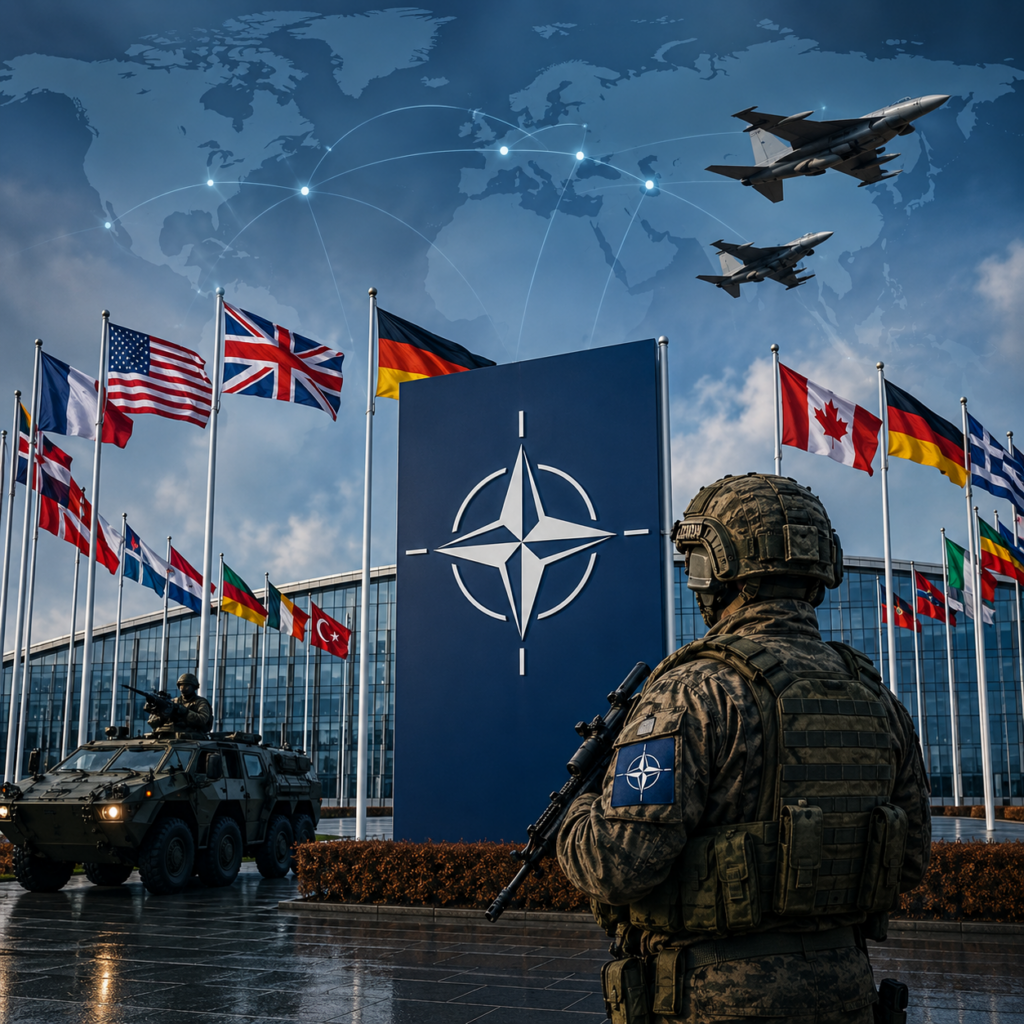
Global security took center stage this week as NATO member nations moved closer to a historic expansion of defence spending ahead of next month’s alliance summit. The decision comes amid growing geopolitical uncertainty caused by the ongoing Russia-Ukraine war, rising tensions in the Middle East, and increasing concerns over cyber warfare and military modernization.
Officials across Europe and North America believe that the global security landscape has fundamentally changed, requiring stronger military preparedness and closer cooperation among allies. The upcoming NATO summit is expected to become one of the most significant gatherings in recent years, with member states preparing to announce billions of dollars in new defence investments and long-term security initiatives.
Why NATO Is Increasing Defence Spending
For decades, NATO encouraged its members to spend at least 2% of their Gross Domestic Product (GDP) on defence. However, recent conflicts have convinced alliance leaders that the previous target is no longer sufficient.
The alliance is now pushing members toward significantly higher defence commitments over the coming decade to strengthen deterrence capabilities and ensure long-term military readiness.
Major Objectives
- Expand military production across Europe.
- Increase ammunition and missile stockpiles.
- Strengthen cyber defence capabilities.
- Modernize air defence and missile systems.
- Improve military mobility between allied nations.
- Reduce dependence on foreign defence manufacturing.
These investments are expected to reshape the global defence industry while boosting technological innovation and industrial production.
Russia-Ukraine Conflict Continues to Influence Strategy
The ongoing war in Ukraine remains one of the biggest factors driving NATO’s policy changes.
Alliance leaders continue to emphasize military and financial support for Ukraine while reinforcing NATO’s eastern borders. Officials argue that maintaining a credible deterrent remains essential for preserving regional stability.
Ukraine is expected to remain a central topic during the upcoming summit, with discussions focusing on additional military assistance, training programs and reconstruction support.
Middle East Tensions Add Pressure
Alongside the conflict in Eastern Europe, renewed tensions involving the United States, Iran and Israel have increased global security concerns.
Although financial markets have remained relatively stable, defence planners are closely monitoring developments around the Strait of Hormuz and other strategic regions that are critical for global energy supplies.
Military analysts believe simultaneous crises across multiple regions have accelerated NATO’s decision to strengthen collective defence capabilities.
Defence Industry Set for Growth
The expected increase in military spending is likely to benefit defence manufacturers around the world.
Several sectors may witness stronger investment, including:
- Aerospace engineering
- Missile technology
- Cybersecurity
- Artificial intelligence for defence
- Drone manufacturing
- Naval systems
- Satellite communications
Analysts expect governments to place larger long-term procurement orders, creating opportunities for defence companies while encouraging innovation in advanced technologies.
Economic Impact
While stronger defence spending aims to improve security, economists note that higher military budgets could also increase fiscal pressure on governments.
Potential economic effects include:
- Higher government borrowing.
- Increased public expenditure.
- Growth in defence manufacturing jobs.
- Expansion of research and development.
- Pressure on national budgets.
- Greater demand for strategic minerals and industrial components.
Supporters argue that defence investment can stimulate economic growth through infrastructure development and industrial expansion, while critics warn that excessive military spending may reduce funding available for healthcare, education and social welfare.
Global Markets Watching Closely
Investors are closely following diplomatic developments ahead of the NATO summit.
Market participants are particularly monitoring:
- Defence company shares.
- Oil prices.
- European government bond yields.
- Currency movements.
- Geopolitical headlines.
- Industrial manufacturing data.
Any major announcements regarding defence contracts or international security cooperation could influence financial markets during the coming weeks.
Outlook
The world is entering a new phase of geopolitical competition, where national security has become a central priority for governments and investors alike. NATO’s planned increase in defence spending reflects a broader recognition that modern threats extend beyond traditional warfare to include cyberattacks, energy security, supply chain resilience and technological competition.
As leaders prepare for the upcoming summit, the decisions made over the next few weeks are expected to shape international security policy for years to come. While increased defence investment may strengthen military readiness, it will also influence economic policy, industrial growth and global financial markets, making the summit one of the most closely watched international events of 2026.