India Begins Major Examination Reforms Following Paper Leak Controversy
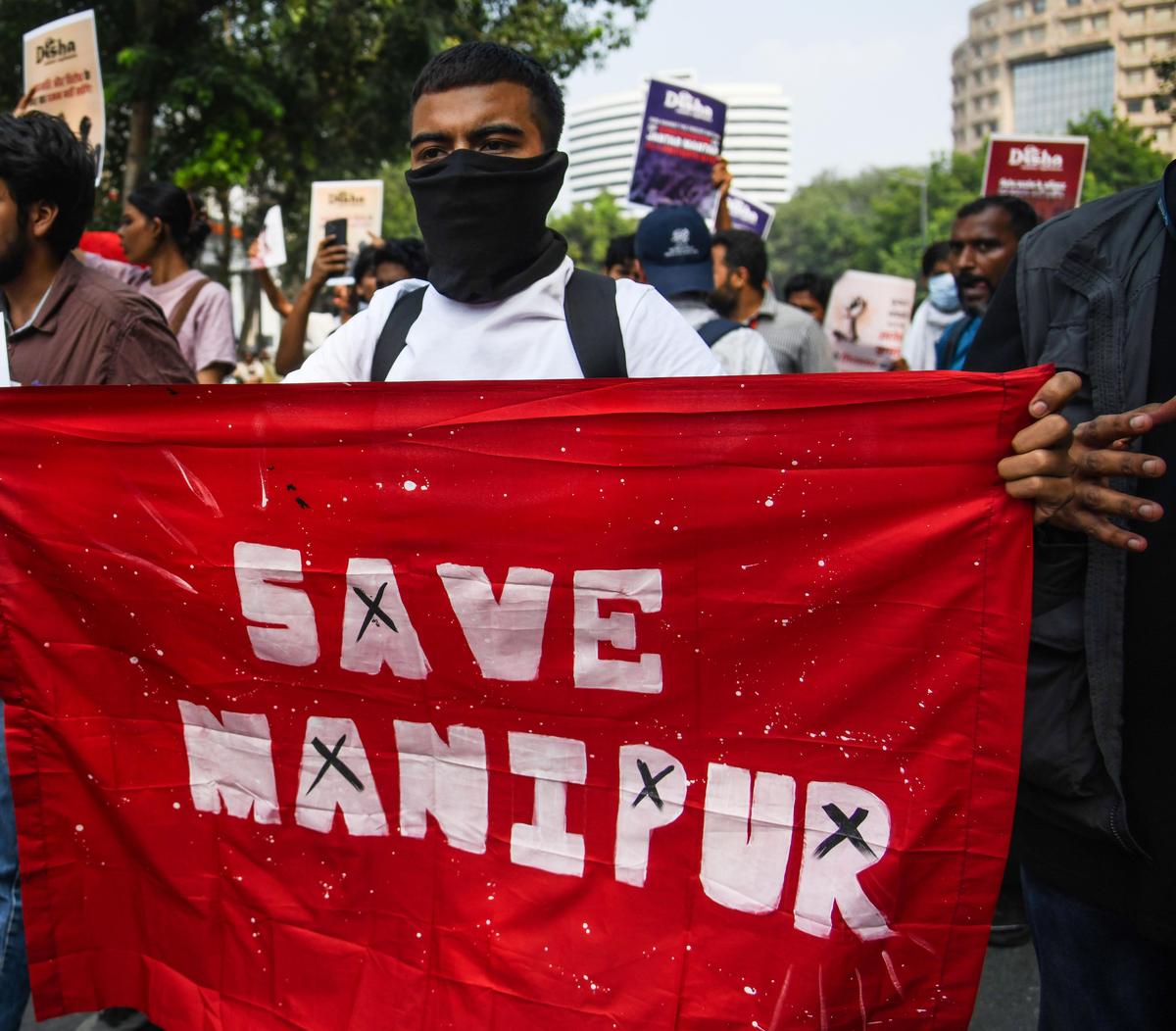
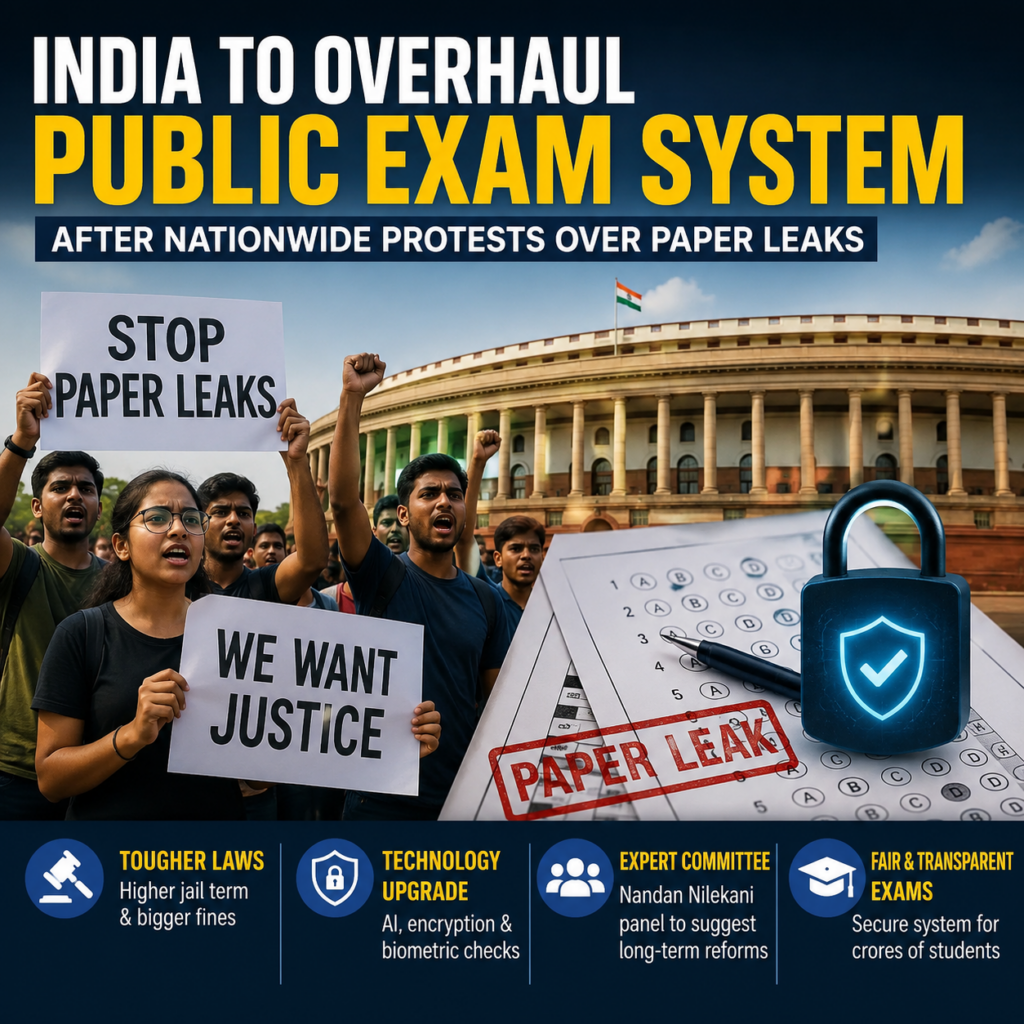
India is set to introduce one of the most significant overhauls of its public examination system after nationwide protests by students over alleged paper leaks and irregularities in competitive examinations. The issue has sparked widespread public debate about transparency, fairness, and accountability in the country’s education system, which impacts millions of students every year.
The controversy gained national attention after allegations surfaced regarding the integrity of the National Eligibility cum Entrance Test (NEET), India’s largest medical entrance examination. Reports of question paper leaks, unfair practices, and irregularities raised serious concerns among students, parents, educational institutions, and policymakers. As protests spread across several states, pressure mounted on the government to ensure that future examinations remain secure and merit-based.
Why the Issue Became So Serious
Competitive examinations in India determine admission to prestigious colleges and recruitment into government jobs. Every year, millions of candidates spend months or even years preparing for these exams.
When reports of paper leaks emerge, students fear that:
- Their hard work may go unrewarded.
- Genuine merit could be replaced by unfair means.
- Admissions and recruitment processes may become delayed.
- Public confidence in examination authorities may decline.
For many students, these examinations represent life-changing opportunities. Even a single security breach can affect lakhs of candidates and create uncertainty about the fairness of the entire process.
Political Impact
The examination controversy eventually became a major political issue. Following growing criticism from students, parents, and opposition parties, Education Minister Dharmendra Pradhan resigned from his position.
His resignation highlighted the seriousness of the situation and reflected increasing demands for accountability within India’s education administration.
The incident also prompted extensive discussions in Parliament regarding examination security, governance reforms, and the need for stronger legal action against organized cheating networks.
Government Announces Comprehensive Reforms
To restore public confidence, the Union Government has proposed major amendments to the Public Examinations Act.
Some of the proposed reforms include:
- Increasing the minimum prison sentence for examination fraud from 3 years to 5 years.
- Raising the maximum financial penalty from ₹1 crore to ₹5 crore.
- Extending bans on organizations involved in malpractice from 4 years to 8 years.
- Introducing stricter investigation mechanisms against organized cheating syndicates.
- Strengthening coordination between central and state authorities during examinations.
These measures are intended to create stronger legal deterrents against paper leaks and organized examination fraud.
Technology to Play a Bigger Role
Recognizing that legal reforms alone cannot solve the problem, the government has also announced the formation of a high-level committee headed by technology expert Nandan Nilekani.
The committee will study how modern digital technologies can improve examination security across the country.
Some of the technologies under consideration include:
- Computer-Based Testing (CBT)
- End-to-end encrypted question paper distribution
- Artificial Intelligence (AI) surveillance
- Biometric verification of candidates
- Advanced cybersecurity systems
- Secure digital examination centers
- Randomized question paper generation
These technologies are expected to reduce opportunities for paper leaks while improving transparency throughout the examination process.
Experts Believe Structural Changes Are Equally Important
Education experts believe that technology must be supported by administrative reforms.
According to specialists, improvements should also focus on:
- Better background verification of personnel handling confidential papers.
- Faster investigation of examination malpractice.
- Stronger coordination between police and examination authorities.
- Regular cybersecurity audits.
- Transparent communication with students whenever irregularities are detected.
Experts argue that building trust requires not only stronger systems but also timely action whenever problems arise.
Impact on Students
The recent controversy has highlighted the immense pressure faced by Indian students.
Preparing for competitive examinations often involves:
- Years of dedicated study.
- Significant coaching expenses.
- Emotional stress.
- Family expectations.
- Career uncertainty.
When allegations of paper leaks emerge, deserving students often feel discouraged because their genuine efforts appear to lose value.
Many student organizations have therefore demanded:
- Faster investigations.
- Transparent inquiry reports.
- Timely examination results.
- Stronger safeguards against future leaks.
Students have emphasized that restoring trust is just as important as punishing those responsible.
Reforms Will Benefit Multiple National Examinations
Although the current debate began with NEET, the proposed reforms are expected to improve the security of several major national examinations.
These include:
- NEET
- JEE Main
- JEE Advanced
- UPSC Civil Services Examination
- SSC Recruitment Exams
- Banking Recruitment Exams
- Railway Recruitment Board (RRB) Exams
- Defence Recruitment Examinations
- Various State Public Service Commission examinations
Collectively, these examinations involve millions of candidates every year, making examination security a matter of national importance.
Challenges Ahead
While the proposed reforms have received broad support, experts caution that implementation will be the biggest challenge.
Some of the key hurdles include:
- Upgrading examination infrastructure nationwide.
- Training officials to use modern technologies.
- Ensuring cybersecurity across digital platforms.
- Preventing insider involvement in leaks.
- Coordinating effectively between central and state governments.
Successful implementation will require sustained investment, continuous monitoring, and cooperation from all stakeholders.
Looking Ahead
The government hopes that these reforms will restore public confidence in India’s examination system and ensure that future recruitment and admission processes remain transparent, fair, and secure.
If implemented effectively, the proposed changes could become one of the most significant education reforms in recent years. By combining stronger legal provisions with advanced technology and better governance, India aims to protect the integrity of competitive examinations and safeguard the future of millions of deserving students.
For aspiring candidates, the reforms offer renewed hope that success in competitive examinations will depend solely on talent, preparation, and hard work rather than unfair practices. As the legislative amendments move forward and the expert committee begins its work, students across the country will be watching closely for meaningful improvements that strengthen trust in India’s education system.