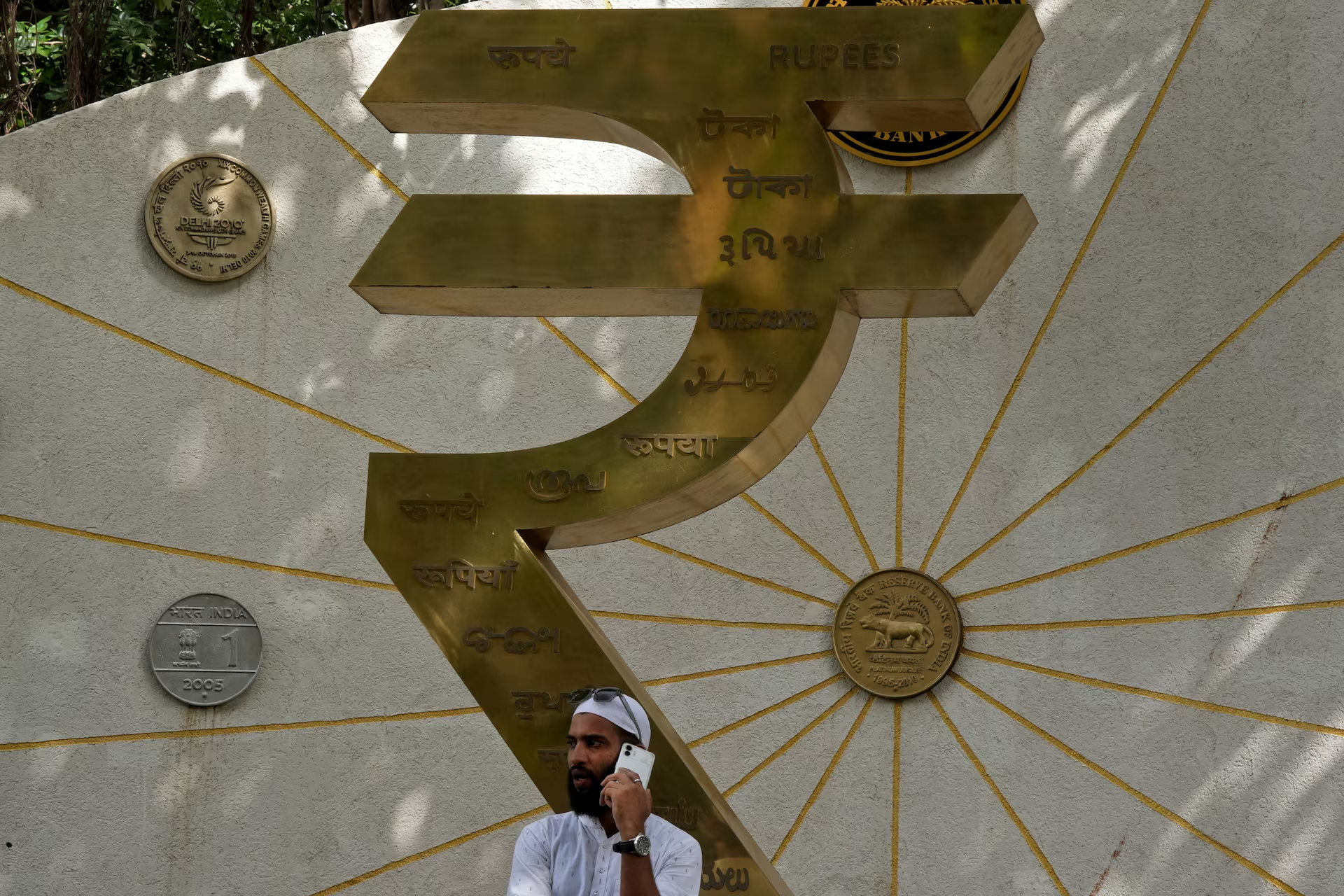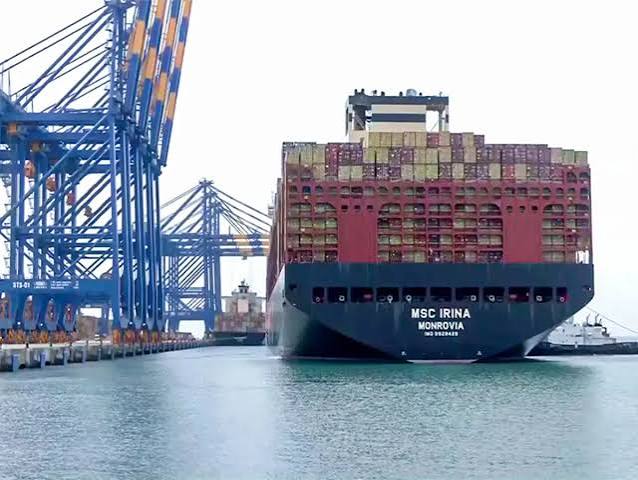
India has taken a significant step toward increasing the use of the Indian rupee in international trade by easing rules governing rupee-denominated export payments. The policy change, announced on August 20, allows rupee export earnings to receive treatment comparable to foreign-currency export earnings for certain trade-policy benefits. The move is part of New Delhi’s broader effort to make the rupee more useful in cross-border transactions and reduce dependence on major international currencies such as the US dollar.
The decision comes as India continues to expand its international trade relationships while facing a global environment marked by currency volatility, geopolitical tensions and uncertainty around international payment systems.
What Has India Changed?
Under the revised approach, exporters receiving payment in Indian rupees can receive treatment similar to exporters receiving foreign currency when determining eligibility for specified benefits under India’s trade policy.
The objective is straightforward: make it easier and more attractive for foreign buyers and Indian exporters to conduct transactions using the rupee.
Until now, the preference for foreign-currency transactions could create an additional incentive for businesses to settle international trade using currencies such as the US dollar.
The latest policy adjustment attempts to reduce that disadvantage.
Why the Rupee Matters
The US dollar remains the dominant currency in international trade.
A large proportion of global commodities, energy transactions and cross-border payments are denominated in dollars. This means countries and companies frequently need access to dollars even when neither the buyer nor seller is based in the United States.
India has increasingly sought to expand the use of the rupee in international commerce.
A greater role for the rupee could potentially reduce the need for Indian companies to repeatedly convert between currencies during international transactions.
It could also make bilateral trade arrangements more flexible.
India’s Long-Term Push for Rupee Internationalisation
The latest decision is not an isolated policy.
India has been working for several years to promote mechanisms that allow international trade to be settled directly in rupees.
The Reserve Bank of India has previously permitted authorised banks to establish special rupee accounts for foreign trading partners, allowing importers and exporters to settle eligible transactions without necessarily relying on the dollar as an intermediary currency.
The government has also encouraged trading partners to explore rupee-based settlement arrangements.
The latest export-payment change strengthens that broader strategy.
Why This Could Help Indian Exporters
For Indian exporters, the change could create more flexibility when negotiating payment arrangements with overseas buyers.
If a foreign customer is willing to pay in rupees, Indian exporters may no longer face the same policy disadvantage that could arise when comparing rupee receipts with foreign-currency receipts.
That could make rupee settlement more attractive in markets where India has significant trade relationships.
The potential benefits could be particularly relevant for countries that already maintain substantial trade with India.
A Step Toward Reducing Dollar Dependence
India is not attempting to replace the dollar in global trade.
The dollar remains deeply embedded in international finance and is likely to remain the world’s dominant reserve and transaction currency for the foreseeable future.
Instead, India’s objective is to create additional options.
If more international transactions can be conducted directly in rupees, Indian businesses may have fewer situations where they need to convert rupees into dollars and then into another currency.
That could reduce some transaction costs and exposure to currency fluctuations.
Geopolitical Importance
The policy also comes at a time when international payment systems have become increasingly important in geopolitical discussions.
Countries around the world have been exploring ways to reduce their exposure to sanctions, currency risks and dependence on financial infrastructure dominated by a small number of major economies.
India has traditionally maintained a diversified approach to international economic relations.
Promoting the rupee provides another tool for expanding that flexibility.
However, the success of rupee internationalisation ultimately depends on whether foreign companies are willing to hold and use the currency.
Trade Partners Will Be Crucial
For the policy to have a substantial long-term effect, India’s trading partners must have reasons to accept rupees.
A foreign company receiving rupees needs to be able to use those rupees for purchases from India, invest them in Indian assets or convert them into another currency without excessive difficulty.
This creates a natural ecosystem.
The more countries and companies that accept rupees, the more useful the currency becomes internationally.
India’s large domestic economy gives the rupee a significant potential advantage in this regard.
The Role of India’s Large Import Market
India is one of the world’s largest importers of commodities, machinery, energy and manufactured goods.
This gives the country substantial bargaining power in trade negotiations.
If foreign companies want access to India’s enormous consumer and industrial markets, some may have an incentive to accept rupee-based payments.
India can potentially use that trade volume to gradually expand the international circulation of its currency.
Connection With India’s Foreign-Exchange Strategy
The move also comes as India has been actively managing its foreign-exchange position.
According to Reserve Bank of India Governor Sanjay Malhotra, India’s subsidised swap windows introduced in June are expected to attract approximately $80 billion in inflows, strengthening the country’s foreign-exchange reserves.
The combination of attracting foreign currency while simultaneously encouraging greater international use of the rupee reflects a broader strategy.
India wants strong reserves while also increasing the international usefulness of its own currency.
These objectives are not contradictory.
A country can maintain substantial foreign-exchange reserves while gradually expanding the use of its domestic currency for international trade.
What It Could Mean for the Indian Economy
If rupee-based trade expands significantly, several potential benefits could emerge.
Indian businesses could face lower currency-conversion costs in some transactions.
Companies could potentially experience reduced exposure to sudden movements in the dollar.
India could also retain more control over some aspects of its international trade settlement.
However, these benefits would depend heavily on how widely foreign partners adopt rupee settlement.
There Are Still Major Challenges
Internationalising a currency is difficult.
A currency becomes internationally important not simply because its home country wants it to.
Foreign investors and companies need confidence in its stability, convertibility and financial markets.
They also need sufficient opportunities to use the currency.
The rupee therefore faces several structural challenges before it can become a major global transaction currency.
India’s relatively strict capital-account framework, currency-management policies and the overwhelming dominance of the US dollar remain important factors.
The Dollar Is Still Far Ahead
Even if India’s rupee strategy succeeds, the dollar will remain dominant for the foreseeable future.
The US currency is deeply integrated into global banking, commodity markets, investment and international debt.
The euro, Japanese yen, British pound and Chinese yuan also have significant international roles.
The rupee is still far behind these currencies in global usage.
India’s current objective should therefore be understood as increasing the rupee’s share of international transactions, rather than replacing the dollar.
Why the Timing Matters
The latest announcement comes during a period of considerable global economic uncertainty.
Geopolitical tensions have affected energy markets and international shipping, while businesses have faced greater currency and supply-chain risks.
For India, having additional options for settling international trade could become increasingly valuable.
The government is therefore attempting to build a financial system in which Indian businesses can conduct more international transactions directly through the domestic currency.
A Broader Push Beyond Trade Payments
India’s efforts to internationalise the rupee extend beyond exporters.
The Reserve Bank has been exploring mechanisms involving foreign banks, international financial centres and cross-border settlement systems.
The goal is to gradually create a larger ecosystem around the rupee.
That ecosystem could eventually include:
- International trade settlement
- Cross-border investments
- Banking services
- Bond markets
- Financial derivatives
- Foreign-currency and rupee liquidity arrangements
The latest export-payment decision represents one piece of that larger strategy.
What Happens Next
The effectiveness of the policy will depend on actual adoption.
Indian exporters may now have greater incentives to accept rupee payments, but foreign buyers must also be willing to hold the currency.
If more trading partners begin accepting rupees, the policy could help establish a positive cycle in which greater usage leads to greater liquidity and confidence.
If foreign companies continue to prefer dollars or other major currencies, the impact will remain limited.
India’s Larger Economic Strategy
The rupee initiative fits into India’s broader attempt to strengthen its position in the global economy.
The country is simultaneously expanding manufacturing, attracting foreign investment, increasing exports and developing domestic financial infrastructure.
India is also attempting to reduce vulnerabilities created by excessive dependence on imported technology, energy and foreign financial systems.
A stronger international role for the rupee would complement those efforts.
Conclusion
India’s decision to give rupee-denominated export payments treatment comparable to foreign-currency export earnings for trade-policy purposes represents a significant step in the country’s long-term effort to increase the international use of its currency.
The move does not mean that the rupee is about to challenge the US dollar for global dominance. Instead, it represents a gradual attempt to give Indian companies and their international partners more flexibility in how they conduct trade.
The success of the policy will ultimately depend on whether foreign businesses are willing to accept, hold and reuse rupees.
For India, however, the direction is clear: New Delhi wants the rupee to play a larger role in international commerce, and the latest export-payment reform is another step toward that objective.