Farmers face difficult decisions as winter sowing begins
India’s agricultural sector is entering a challenging winter crop season after deficient monsoon rainfall, falling soil moisture and uneven reservoir storage increased concerns about production. The rabi season, which includes wheat, mustard, chickpeas and other pulses, is particularly sensitive to water availability because farmers need sufficient moisture to prepare fields and establish healthy crops.
The pressure is not uniform across the country. Some regions have sufficient water reserves, while parts of southern India and drought-affected areas of Maharashtra and Karnataka face more serious shortages. Farmers in these regions may need to change their crop choices, reduce the area planted or spend additional money on irrigation.
The consequences could extend beyond farms. A weaker harvest can reduce rural incomes, affect agricultural employment and place upward pressure on food prices, particularly if production declines in commodities already facing supply constraints.
Why the monsoon deficit matters
The southwest monsoon supplies a significant share of India’s annual rainfall. Its performance affects not only crops grown during the rainy season but also the moisture left in the soil for winter planting.
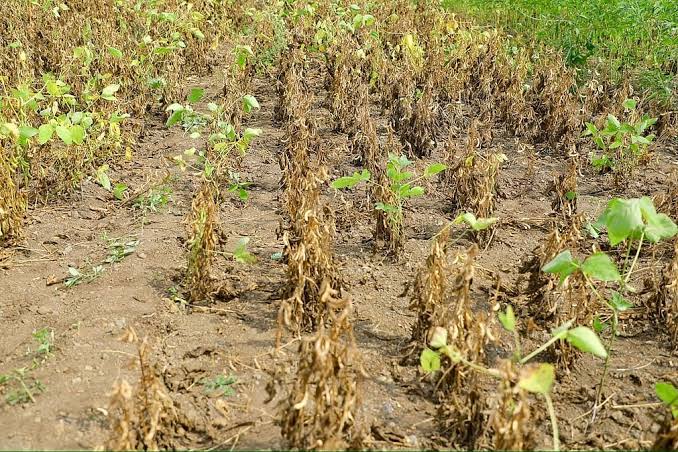
When rainfall is deficient during important stages of crop development, farmers may suffer losses before the winter season even begins. In parts of Maharashtra, inadequate rainfall during crop development has raised concerns about soybean and other crops. In areas dependent on rainwater, a dry October can further reduce the moisture available for sowing.
Reservoir storage also matters. Farmers with access to irrigation may be better positioned than those who depend entirely on rainfall, but reservoirs cannot provide unlimited water. If storage levels are below normal, authorities may have to balance agricultural requirements with drinking-water supplies and other essential uses.
This creates difficult decisions for irrigation departments, particularly where large numbers of farmers depend on the same dam or canal network.
Food production and prices could come under pressure
Agricultural uncertainty can affect food prices through several channels. Lower production reduces the amount of grain or other crops available for sale, while irrigation expenses and transport costs can increase the price farmers need to recover.
The effects vary by crop. Wheat production depends heavily on winter weather and irrigation in many northern states, while pulses and oilseeds may face different risks depending on local rainfall and planting conditions.
A shortage in one crop does not automatically mean that the entire food supply will deteriorate. Production in other regions, existing stocks, imports and government procurement can help moderate the impact. Nevertheless, local shortages may still affect prices and farmers’ incomes.
Wholesale food inflation has already become a concern, making the agricultural outlook particularly important for households and policymakers.
What support can help farmers?
Authorities can reduce the immediate pressure by ensuring that suitable seeds, fertilisers and agricultural advice reach farmers before planting decisions become irreversible. Financial assistance and crop insurance can help households manage losses, although the effectiveness of these measures depends on eligibility rules, claim processing and the speed of payments.
Water management will also be important. More efficient irrigation methods, repair of canals, local water harvesting and the protection of groundwater can help make limited supplies go further.
Farmers may also benefit from selecting crops suited to local water conditions. In areas facing severe shortages, shifting away from water-intensive crops can reduce risk, provided that farmers have access to suitable markets and receive reliable guidance.
A season that will test agricultural resilience
The coming weeks will determine how much land is planted and whether rainfall improves conditions in vulnerable areas. Weather patterns, soil moisture, irrigation availability and crop choices will all influence the eventual harvest.
The wider lesson is that agricultural resilience cannot depend on rainfall alone. Reliable irrigation, access to seeds, timely financial support and better forecasting are essential for helping farmers manage increasingly uncertain seasons.
For India, protecting the rabi harvest is important not only for farmers but also for food security, rural employment and household budgets. The success of this season will depend on whether practical support reaches the regions where the risks are greatest.