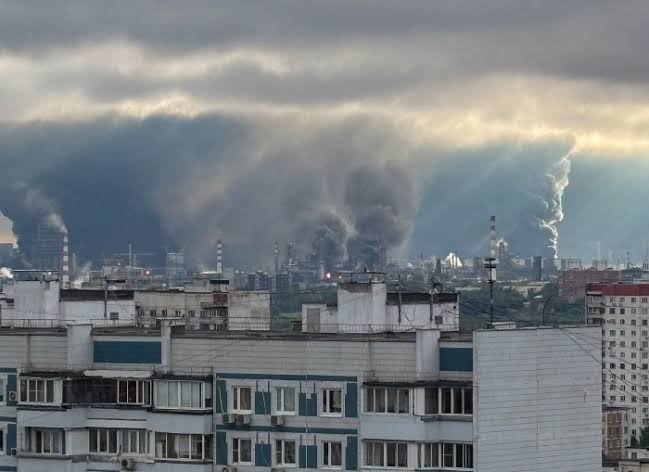
Russia’s energy sector is facing growing pressure as repeated Ukrainian drone strikes disrupt oil-refining operations and reduce the availability of gasoline and diesel. The latest attacks have affected some of the country’s major refineries, adding to existing problems in the global fuel market.
The issue is particularly significant because Russia is one of the world’s largest producers and exporters of refined petroleum products. When refinery capacity is disrupted, the consequences can extend beyond individual facilities—affecting domestic fuel supplies, exports, transportation costs and international energy markets.
The developments are also unfolding as Russia holds parliamentary elections from September 18 to 20, 2026, giving the fuel situation additional domestic significance.
What Happened to Russia’s Oil Refineries?
Ukraine has increasingly used long-range drones to target energy infrastructure inside Russia. In September 2026, several major refineries experienced significant disruptions.
Reuters reported that three of Russia’s six largest diesel-producing refineries had either sharply reduced production or halted operations following Ukrainian drone attacks. These six facilities collectively account for approximately half of Russia’s diesel production.
One of the most recent incidents involved the Yaroslavl refinery, where a Ukrainian drone attack damaged important equipment. Reuters reported that the refinery halted crude processing after damage to its AVT-3 crude-distillation unit, while another major unit was already undergoing repairs following an earlier strike.
The refinery has a processing capacity of approximately 300,000 barrels per day, making disruptions there significant for Russia’s refining network.
The International Energy Agency has also reported a substantial decline in Russian refinery activity. According to the IEA, Russian refinery throughput fell to about 3.8 million barrels per day in June 2026, the lowest level in more than two decades and around 30% below the previous year’s level.
Why Are Refineries So Important?
It is important to distinguish between crude oil production and oil refining.
Crude oil extracted from the ground cannot simply be used as gasoline or diesel. Refineries process crude oil into products such as:
- Petrol and gasoline
- Diesel
- Jet fuel
- Fuel oil
- Lubricants
- Petrochemical feedstocks
Therefore, a country can continue producing crude oil while simultaneously experiencing shortages of specific refined fuels if its refining capacity is damaged.
This is particularly important for diesel. Trucks, agricultural machinery, construction equipment and many industrial operations depend heavily on diesel fuel. A reduction in diesel availability can therefore increase transportation and production costs.
Russia’s Domestic Fuel Problem
The refinery disruptions have contributed to fuel shortages in several parts of Russia.
The IEA said gasoline production was around 20% lower than 2025 levels and estimated that diesel production had fallen by nearly 30%. In response, the Russian government has introduced restrictions on fuel exports in an effort to protect domestic supplies.
Reuters also reported that Russia imposed restrictions involving gasoline, diesel and jet-fuel exports as refinery disruptions affected domestic availability.
The government therefore faces a difficult balancing act: Russia earns revenue by exporting energy products, but exporting too much fuel during a domestic shortage can put additional pressure on consumers and businesses.
Reducing exports can improve domestic availability, but it can also reduce export revenues and affect international fuel markets.
Why Is Ukraine Targeting Russian Energy Infrastructure?
Ukraine has presented attacks on Russian oil and fuel infrastructure as part of its broader effort to impose economic and military costs on Russia.
The argument is that petroleum infrastructure is closely connected to Russia’s ability to supply its military and sustain its economy. Disrupting refineries, fuel storage and transportation infrastructure can therefore interfere with those activities.
Russia, meanwhile, has criticized attacks on its energy infrastructure and described them as attacks on civilian economic facilities.
These competing claims are part of the wider Russia-Ukraine war, where both sides have repeatedly targeted infrastructure connected to military logistics and economic activity.
The strategic objective of Ukraine’s campaign is therefore broader than simply damaging individual refineries. Repeated attacks can force Russia to spend money on repairs, redirect fuel supplies, increase security around infrastructure and potentially import certain petroleum products.
The Yaroslavl Refinery Attack
The Yaroslavl refinery illustrates how damage to one facility can affect production.
According to Reuters, the September 2026 attack damaged the AVT-3 crude-distillation unit, which normally handles about 40% of the refinery’s output. Another unit, AVT-4, was already being repaired after damage from an earlier attack.
The refinery processed nearly 15 million tonnes of crude oil in 2024, including substantial quantities of gasoline and diesel.
When several units are unavailable at the same time, restarting production is not necessarily immediate. Refineries contain complex equipment that requires inspection, repairs and testing before normal operations can resume.
This means that repeated attacks can create a cumulative effect even if individual facilities are eventually repaired.
A Wider Global Fuel Problem
Russia’s refining problems are occurring at a difficult time for the international energy market.
Global fuel supplies have already been affected by conflicts and disruptions in other oil-producing regions. The International Energy Agency has warned of significant pressure on global oil supplies in 2026, while refined fuel inventories have also been under pressure.
This matters because Russia is an important supplier of petroleum products to international markets.
Before recent restrictions, Russia exported millions of tonnes of diesel and gasoil every month. Turkey and Brazil were among the major destinations for Russian diesel exports.
If Russian exports decline while demand remains high, buyers may have to obtain fuel from other suppliers. That can increase competition for available supplies and contribute to higher prices.
Why Diesel Is Especially Important
Gasoline is highly visible to ordinary consumers, but diesel shortages can have particularly broad economic effects.
Diesel powers:
- Heavy trucks
- Agricultural machinery
- Construction equipment
- Mining machinery
- Generators
- Industrial transportation
- Some passenger vehicles
If diesel becomes significantly more expensive, transportation companies can face higher operating costs. Those costs can eventually affect the prices of food, manufactured goods and other products because transportation is part of almost every supply chain.
Recent Reuters reporting has linked refinery disruptions and broader geopolitical energy disruptions to exceptionally high diesel prices in international markets.
Impact on Russia’s Economy
Fuel shortages can affect Russia in several ways.
First, domestic fuel prices can rise if supply becomes tighter.
Second, businesses may face higher transportation and operating costs.
Third, the government may have to provide additional support to stabilize the domestic fuel market.
Fourth, reduced refinery activity can lower the amount of petroleum products available for export.
The situation also comes at a time when Russia’s wartime economy is experiencing other pressures. AP reported that increased military spending, higher borrowing costs and declining business and consumer confidence are creating longer-term economic challenges, although the country continues to generate substantial energy revenue.
It would therefore be inaccurate to describe the refinery attacks alone as causing an economic collapse. Rather, they represent one component of a broader set of economic and geopolitical pressures.
The Timing of Russia’s Parliamentary Election
Another important factor is timing.
Russia’s parliamentary election is being held from September 18 to 20, 2026. Voters are choosing all 450 members of the State Duma, with half of the seats elected through party lists and the other half through single-member constituencies.
The election is the first parliamentary vote since Russia launched its full-scale invasion of Ukraine in 2022.
Fuel shortages therefore form part of the economic environment surrounding the election.
Reuters reported that fuel shortages have affected numerous Russian regions and have become a domestic issue ahead of the vote.
At the same time, Russia’s government has attempted to protect domestic fuel availability through export restrictions and other measures.
What Happens Next?
The future impact will depend on several factors.
1. How quickly refineries are repaired
If damaged facilities return to operation quickly, domestic fuel pressure could ease. Longer repairs would keep production below normal levels.
2. Whether Ukrainian attacks continue
Repeated attacks could make it more difficult for Russia to restore its full refining capacity.
3. Government intervention
Russia can restrict exports, release fuel reserves and introduce other measures to increase domestic supply.
4. Global oil and fuel prices
Even if Russia manages its domestic shortage, global events can continue affecting prices. Disruptions elsewhere in the world could increase competition for available fuel.
5. The wider Russia-Ukraine conflict
The fuel situation cannot be separated entirely from the broader war. Further attacks on energy infrastructure on either side could create additional supply and logistical problems.
Conclusion
Russia’s current fuel difficulties demonstrate how important oil-refining infrastructure has become in the Russia-Ukraine conflict. Ukraine’s drone campaign has damaged or disrupted several major Russian refineries, while Russia has responded with measures including fuel-export restrictions to protect domestic supplies.
The consequences extend beyond individual refineries. Reduced refining capacity can affect gasoline and diesel availability, transportation costs, government policy and Russia’s petroleum exports. At the same time, disruptions in other regions of the world are putting additional pressure on global fuel markets.
The situation is still developing, and the scale of the longer-term impact will depend on refinery repairs, future attacks, Russian government measures and broader developments in global energy markets.
What is clear is that oil refining has become an important economic and strategic dimension of the ongoing Russia-Ukraine war, with effects that can reach far beyond the battlefield.