
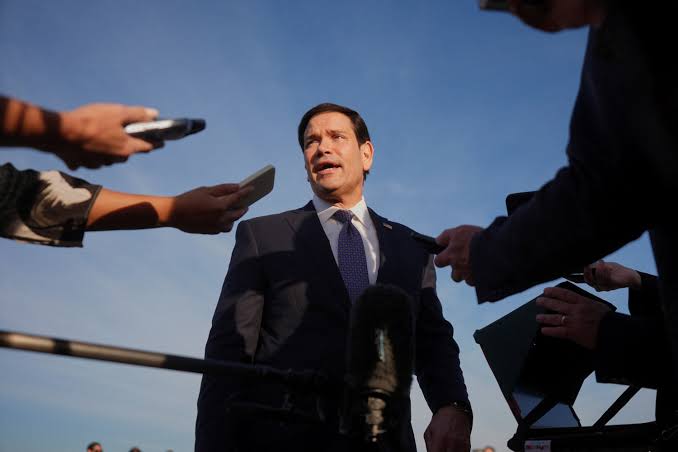
India and the United States are reporting progress in negotiations over a bilateral trade agreement, with US Ambassador Sergio Gor saying the discussions are advancing at an “incredible pace.” Speaking at the Bloomberg New Economy Forum, Gor said major components of the agreement had been finalised and remaining details were being worked out. His comments come ahead of US Secretary of State Marco Rubio’s scheduled India visit from October 19 to 22, 2026, although a final comprehensive trade agreement has not yet been announced.
India and the United States are attempting to move their economic relationship forward at a time when international trade policy is being reshaped by tariffs, supply-chain concerns and strategic competition.
The latest indication of progress came from US Ambassador Sergio Gor, who described the negotiations as moving at an “incredible pace” during remarks at the Bloomberg New Economy Forum.
According to The Indian Express, Gor said the major components of the proposed agreement had been finalised, while officials continued working on outstanding details. <Cite refs={[“turn588708news42”]}/>
The comments suggest that negotiators believe substantial progress has been made. They do not, however, mean that the agreement has been formally concluded or that every commercial issue has been resolved.
Why the agreement matters
India and the United States have large and complementary economies.
India is seeking greater access to international markets for its manufactured products and services. The United States remains an important destination for Indian exports, including pharmaceuticals, textiles, engineering goods and information technology-related services.
For American businesses, India offers a large consumer market, an expanding industrial base and opportunities across technology, energy, infrastructure and manufacturing.
A trade agreement could help provide greater predictability for businesses operating across both countries.
The eventual benefits would depend on the agreement’s actual terms, including tariffs, market access, regulatory requirements and the treatment of sensitive sectors.
Negotiations remain complex
Even when governments agree on broad objectives, trade negotiations can become difficult when specific industries are involved.
Agriculture, industrial products, digital trade, intellectual property and regulatory standards can all create differences between negotiating partners.
India also has to consider the interests of domestic producers and smaller businesses that may be affected by increased competition from imported goods.
The United States, meanwhile, has its own political and commercial priorities.
Gor acknowledged the complexity of negotiating with an economy as large and diverse as India’s. He also compared the pace of the negotiations with the much longer timeline associated with the European Union’s trade discussions with India. <Cite refs={[“turn588708news42”]}/>
Marco Rubio’s visit adds diplomatic significance
Rubio is scheduled to visit India from October 19 to 22, according to the report.
His programme is expected to include business engagements in Mumbai and meetings with Indian officials. The report also identified Reliance-related engagements and discussions involving External Affairs Minister S. Jaishankar as part of the expected visit. <Cite refs={[“turn588708news42”]}/>
The visit creates an opportunity for both sides to discuss broader economic and strategic priorities.
However, diplomatic visits do not automatically produce signed agreements. Any announcement will depend on the progress of negotiations and the decisions of both governments.
What businesses will be watching
Companies will be particularly interested in the agreement’s final tariff structure and market-access provisions.
Exporters want predictable access to foreign customers, while manufacturers want clarity about sourcing costs and competitive conditions.
Investors will also look for evidence that a deal can support new investment and supply-chain diversification.
Until the final text is published, however, businesses should avoid assuming that specific tariffs or exemptions have already changed.
The next stage
The latest comments from Washington provide a positive signal, but the negotiations remain unfinished.
The scheduled diplomatic visit may offer further opportunities to narrow differences and clarify the next steps.
For India, a successful agreement could strengthen commercial ties with one of its most important economic partners. For the United States, it could deepen access to a major market and support broader strategic cooperation.
The outcome will depend on whether the two governments can turn their reported progress into an agreement acceptable to both sides.