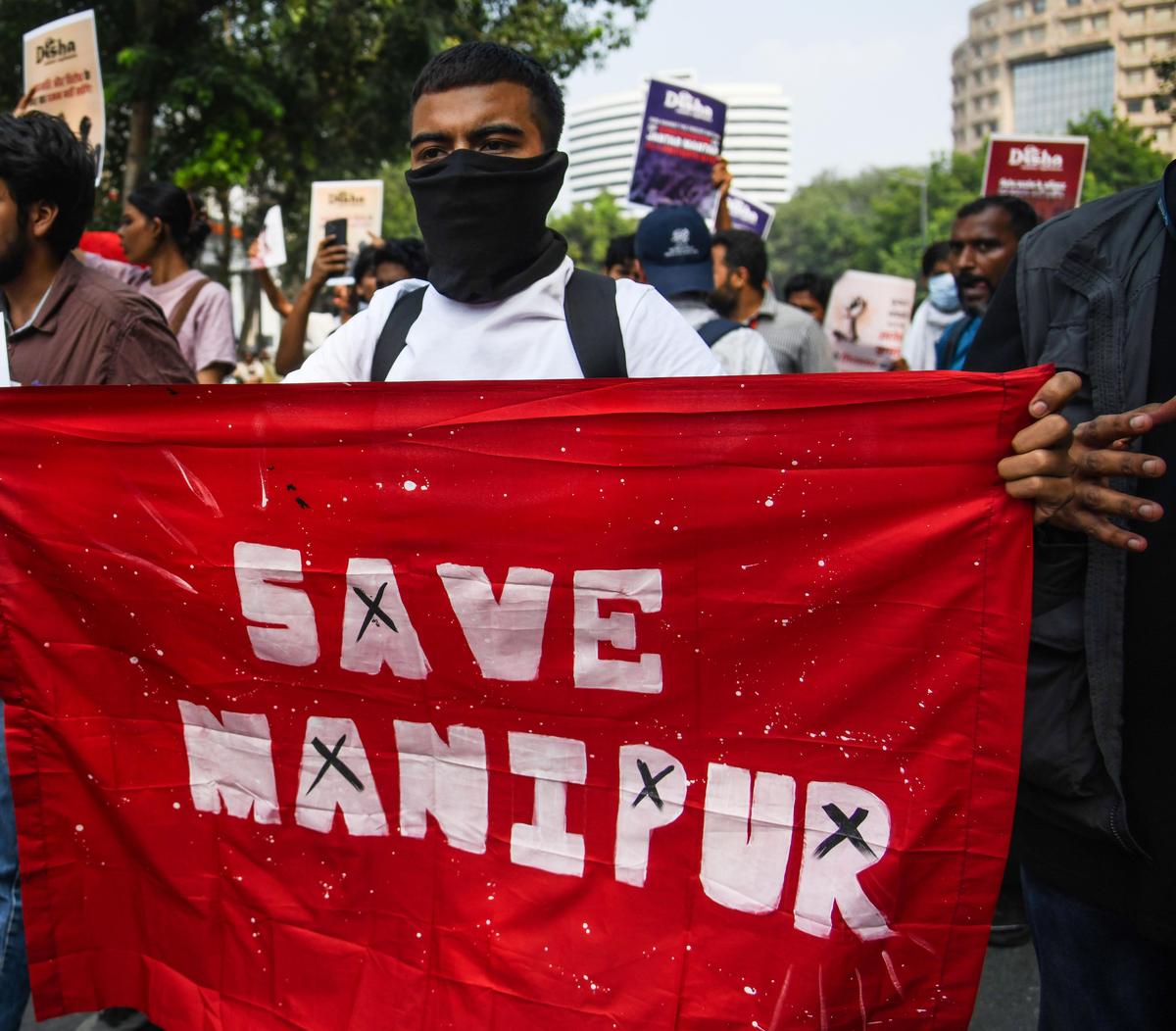
The Cockroach Janta Party (CJP) protest has emerged as one of the most talked-about youth movements in India in 2026. What reportedly began as an online satirical campaign has evolved into large-scale demonstrations led primarily by students and young job aspirants demanding accountability over repeated examination paper leaks, transparency in recruitment, and reforms in the education system.
The movement gained nationwide attention after protests at Jantar Mantar in New Delhi and subsequent police action against demonstrators. The developments have triggered political debate, legal proceedings, and widespread public discussion about India’s examination system.
What Is the CJP Protest?
The Cockroach Janta Party (CJP) describes itself as a youth-driven movement that has focused on issues affecting students, particularly repeated allegations of exam paper leaks, delays in recruitment, and concerns about fairness in competitive examinations. According to multiple reports, the protests are centered on demands for accountability and reforms rather than traditional party politics.
Thousands of students and young professionals have participated in demonstrations, expressing frustration over what they view as systemic failures in the recruitment and examination process.
Why Did Students Start Protesting?
Several issues have contributed to the growing anger among students:
- Alleged repeated examination paper leaks.
- Delays in government recruitment.
- Concerns over transparency in competitive exams.
- Growing unemployment among educated youth.
- Demand for accountability from authorities.
Many students argue that years of preparation lose value if examination integrity is compromised.
Jantar Mantar Protest
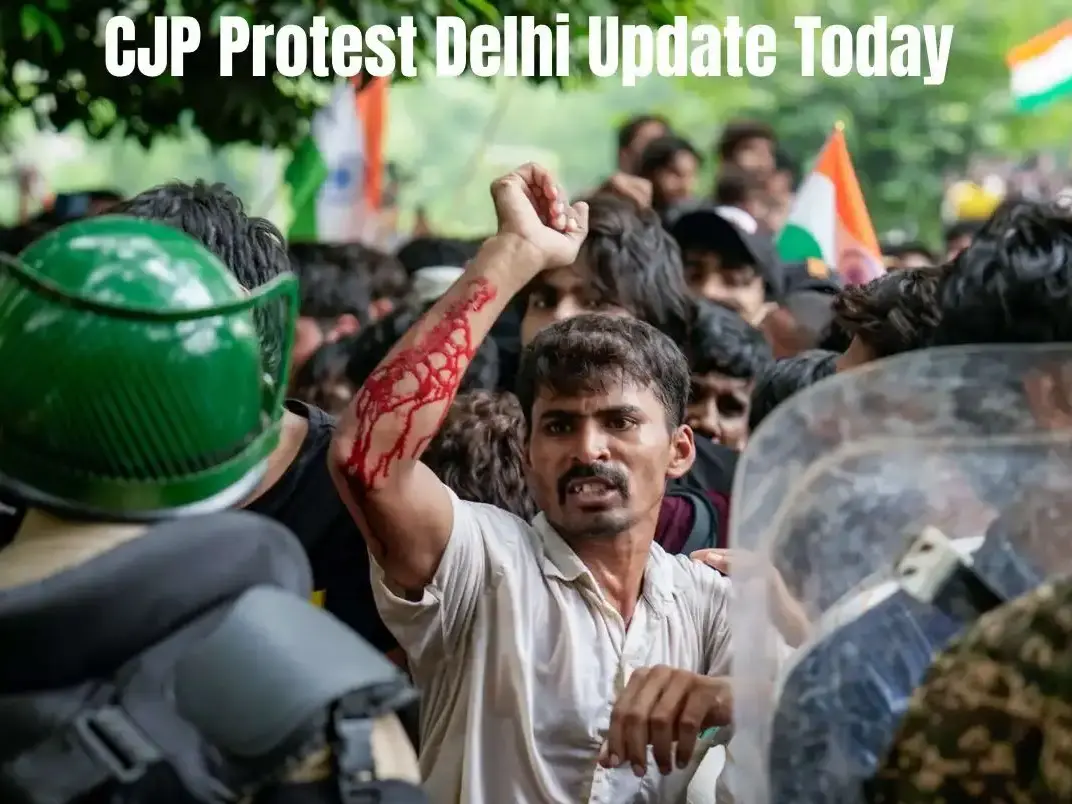
The movement reached national headlines after thousands of protesters gathered near Jantar Mantar in New Delhi. Protesters attempted to march while demanding action over examination-related issues and accountability from the government. Reports indicate that police intervened to stop the march, leading to clashes and injuries.
Images and videos from the demonstrations quickly spread across social media, significantly increasing public attention.
Police Action and Controversy
The police response to the protest became a major point of controversy. According to media reports, law enforcement used crowd-control measures, including baton charges and tear gas, after demonstrators attempted to move beyond permitted areas. Protesters and civil society groups alleged excessive use of force, while authorities maintained that they were enforcing law and order.
The differing accounts have fueled debate across political and social circles.
Political Reactions
The protests soon drew responses from political parties.
Opposition leaders expressed solidarity with the protesting students and demanded accountability over examination issues. Some lawmakers also participated in demonstrations and criticized the government’s handling of the protests.
On the other hand, Union Minister J.P. Nadda appealed against politicizing student concerns, stating that examination paper leaks are a serious issue requiring discussion rather than political confrontation. He also referred to similar incidents in states governed by different political parties.
Supreme Court Developments
The matter also reached the Supreme Court after an urgent plea sought intervention regarding alleged police action against protesters.
The Court declined to take up the plea on an urgent basis during the initial mention, indicating that it was not inclined to immediately examine video evidence at that stage.
Public Support for the Movement
One notable aspect of the CJP protests has been the support received from ordinary citizens.
According to reports, volunteers arranged food, water, medical assistance, and other supplies for protesters. Donations reportedly came from supporters across different parts of India, helping sustain the demonstrations over multiple days.
This level of community participation has highlighted the widespread concern among young people regarding employment opportunities and examination fairness.
Key Demands Raised by Protesters
Although demands have varied across groups, the movement has generally called for:
- Fair and transparent examinations.
- Strong action against paper leak networks.
- Greater accountability from authorities.
- Faster recruitment processes.
- Protection of students’ rights during peaceful demonstrations.
These demands have resonated with many competitive exam aspirants across the country.
Why the Protest Matters
India conducts some of the world’s largest competitive examinations every year, involving millions of candidates.
Any allegations of paper leaks or recruitment irregularities directly affect public trust in the system. Students often spend years preparing for government examinations, making transparency and fairness critical to maintaining confidence in public recruitment.
The CJP protests have therefore become more than a single demonstration—they reflect broader concerns about education, employment, and institutional accountability.
What Happens Next?
Authorities continue to monitor the situation, while political leaders, students, and civil society organizations continue to debate the issues raised by the protests. Investigations into examination irregularities and discussions about reforms are expected to remain in focus.
The long-term impact of the movement will likely depend on whether concrete reforms are introduced and whether concerns about examination integrity are effectively addressed.
Conclusion
The CJP Protest 2026 has become one of the most significant youth-led movements in recent years, bringing national attention to issues surrounding examination integrity, recruitment transparency, and student welfare. While opinions differ regarding the demonstrations and the official response, the protests have highlighted the importance of maintaining trust in India’s competitive examination system.
As investigations and public discussions continue, the focus remains on ensuring that recruitment processes are fair, transparent, and based solely on merit.