
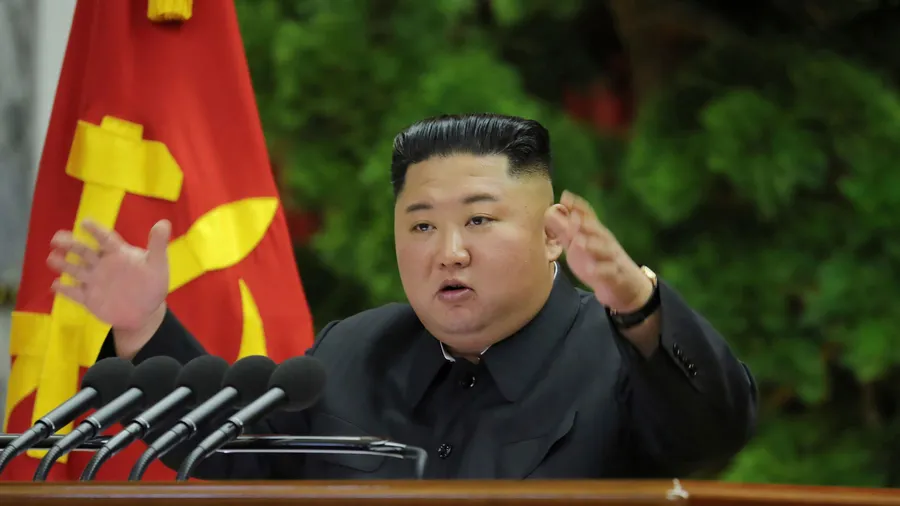
In a predictable yet striking outcome, Kim Jong Un has secured an overwhelming 99.9% of the vote in North Korea’s latest national election, according to official state media. The results once again highlight the centralized political structure of the country and the continued dominance of its supreme leader.
The election, conducted under the supervision of the ruling Workers’ Party of Korea, reported a voter turnout of nearly 100%, a figure that has become a hallmark of North Korean electoral processes. Citizens across the nation participated in selecting representatives to the Supreme People’s Assembly, though all candidates were pre-approved by the state.
Understanding the 99.9% Vote Share
The reported 99.9% approval rate for Kim Jong Un is consistent with past elections in North Korea, where leaders traditionally receive near-unanimous support. Unlike democratic nations, where multiple parties and candidates compete freely, North Korea operates under a single-party system with tightly controlled political participation.
Voting in the country is often viewed as a symbolic act of unity rather than a competitive political process. Citizens are expected to endorse the candidates presented to them, and dissent is rarely visible in official results.
Strengthening Political Control
Kim Jong Un’s latest victory further cements his authority over North Korea, a nation he has ruled since 2011 following the death of his father, Kim Jong Il. Over the years, he has consolidated power through a combination of political restructuring, military emphasis, and strict internal governance.
His leadership has been characterized by a focus on strengthening nuclear capabilities, reinforcing national defense, and promoting economic self-reliance under challenging international conditions.
Election Process and Global Contrast
North Korea’s electoral system differs significantly from those in democratic countries. While elections are held periodically, they are not competitive in nature. Each constituency typically presents a single candidate, and voters are expected to either approve or reject them—though rejection is extremely rare in practice.
International observers and human rights organizations have frequently criticized the process, citing a lack of transparency, freedom of choice, and political opposition. However, the North Korean government presents these elections as a demonstration of national unity and collective support for leadership.
Impact on Domestic Policies
With such a decisive victory, Kim Jong Un is expected to continue his current policy direction. This includes:
- Expanding military capabilities and nuclear deterrence
- Strengthening internal security and governance
- Promoting economic independence through domestic production
- Maintaining strict control over information and communication
Despite economic challenges caused by sanctions and limited trade, the government continues to emphasize resilience and self-sufficiency.
International Reactions
The global response to the election has been largely reserved. Many countries, including the United Nations, have reiterated concerns about democratic freedoms and electoral transparency in North Korea.
At the same time, some geopolitical analysts suggest that the stability of Kim Jong Un’s leadership could influence future diplomatic engagements, particularly in relation to nuclear negotiations and regional security in East Asia.
What This Means for the Future
Kim Jong Un’s 99.9% electoral victory is less about political competition and more about reaffirming his unchallenged authority within North Korea. The result signals continuity, with little expectation of immediate policy shifts or structural reforms.
As the country moves forward, the international community will continue to watch closely for any changes in North Korea’s domestic strategies or foreign policy approach. For now, the election reinforces what has long been evident: Kim Jong Un remains firmly in control of the nation’s political future.