
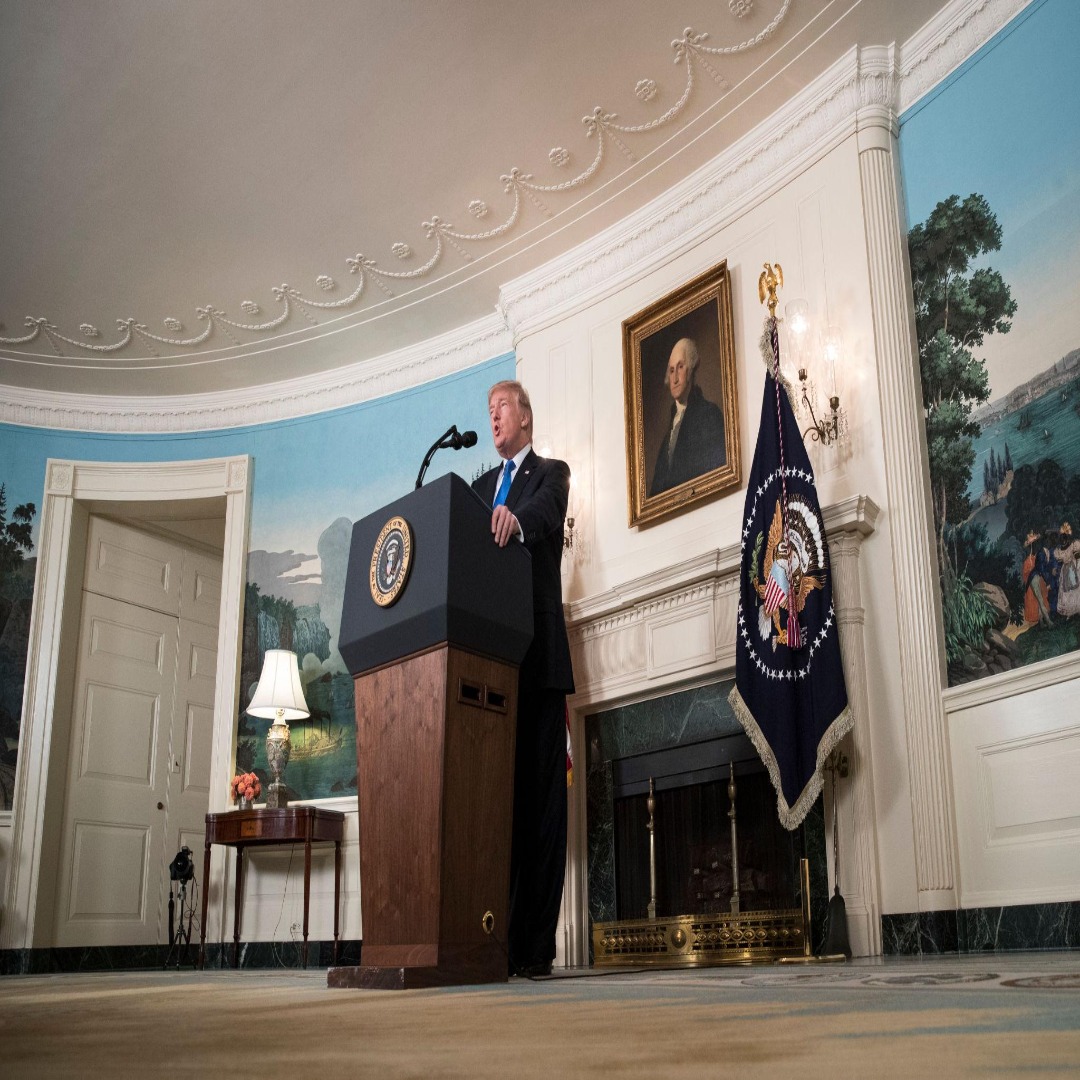
Global attention remains focused on the escalating geopolitical situation in the Middle East as Iran reviews a new peace proposal from the United States aimed at ending months of conflict and restoring stability in the region. The developments come amid growing international concern over energy supply disruptions, military escalation, and the broader economic impact of the crisis.
The ongoing tensions have already affected global oil markets, shipping routes, and diplomatic relations between major world powers. Analysts believe the coming days could prove critical in determining whether the region moves toward de-escalation or faces renewed instability.
Background of the Conflict
The current crisis intensified earlier this year following military confrontations involving Iran, the United States, and regional allies. One of the most significant consequences of the conflict has been disruption around the Strait of Hormuz, one of the world’s most strategically important shipping routes.
A large portion of global oil exports pass through the narrow waterway, making any instability in the region a major concern for international markets.
Over the past several weeks:
- Naval activity in the Gulf region increased significantly
- Oil tanker movement faced disruptions
- Energy prices became highly volatile
- Diplomatic tensions escalated between regional and global powers
The situation raised fears of a prolonged conflict that could impact the global economy.
Iran Reviewing U.S. Proposal
According to multiple international reports, Iran is currently reviewing a new American proposal designed to establish a temporary framework for ending the conflict.
The proposal reportedly includes:
- A temporary ceasefire agreement
- Gradual reopening of shipping activity in the Strait of Hormuz
- Negotiations related to sanctions and regional security
- A possible roadmap for future diplomatic discussions
However, several key disagreements remain unresolved, particularly regarding Iran’s nuclear program and broader regional influence.
Iranian officials have indicated that they are studying the proposal carefully, though skepticism remains within parts of the Iranian leadership regarding American intentions.
Trump’s Involvement and Statements
Donald Trump has played a central role in the negotiations and public messaging surrounding the conflict.
Trump recently stated that there is a “very good chance” the war could soon end, expressing optimism about reaching a deal with Iran.
At the same time, he has also warned that failure to reach an agreement could lead to renewed military action and increased pressure on Tehran. Reports suggest that Trump temporarily paused certain naval operations in the Gulf region to allow diplomatic efforts to continue.
The situation has become one of the most significant foreign policy developments of the year and is expected to influence global political discussions in the coming months.
Impact on Global Oil Markets
The conflict has already had a major effect on global energy markets. Concerns about shipping disruptions through the Strait of Hormuz caused oil prices to surge earlier in the crisis.
However, hopes for a temporary peace agreement recently helped stabilize markets and pushed prices lower.
Experts warn that:
- Any breakdown in negotiations could trigger another oil price spike
- Energy-importing countries may face inflationary pressure
- Global supply chains remain vulnerable to instability in the Gulf
Countries such as India, which rely heavily on imported oil, are closely monitoring developments.
International Diplomatic Pressure
Several countries and international organizations are encouraging both sides to avoid escalation and continue negotiations.
Regional powers, including Pakistan and China, have reportedly been involved in diplomatic mediation efforts.
China, in particular, has urged stability due to its heavy dependence on Middle Eastern energy imports and broader economic interests in the region.
Meanwhile, European nations have also called for restraint and the reopening of critical maritime routes.
Broader Global Implications
The crisis is not only a regional issue but also a major global concern because of its potential impact on:
- Energy security
- Global inflation
- International trade routes
- Financial markets
- Geopolitical alliances
Analysts believe prolonged instability could affect economic growth worldwide and increase uncertainty in already volatile global markets.
Conclusion
The ongoing negotiations between the United States and Iran represent a critical moment for the Middle East and the global economy. While hopes for a temporary ceasefire have improved market sentiment, major political and strategic disagreements remain unresolved.
The coming weeks will likely determine whether diplomatic efforts can produce lasting stability or whether tensions in the Gulf region will continue to pose risks to global security and economic balance.