
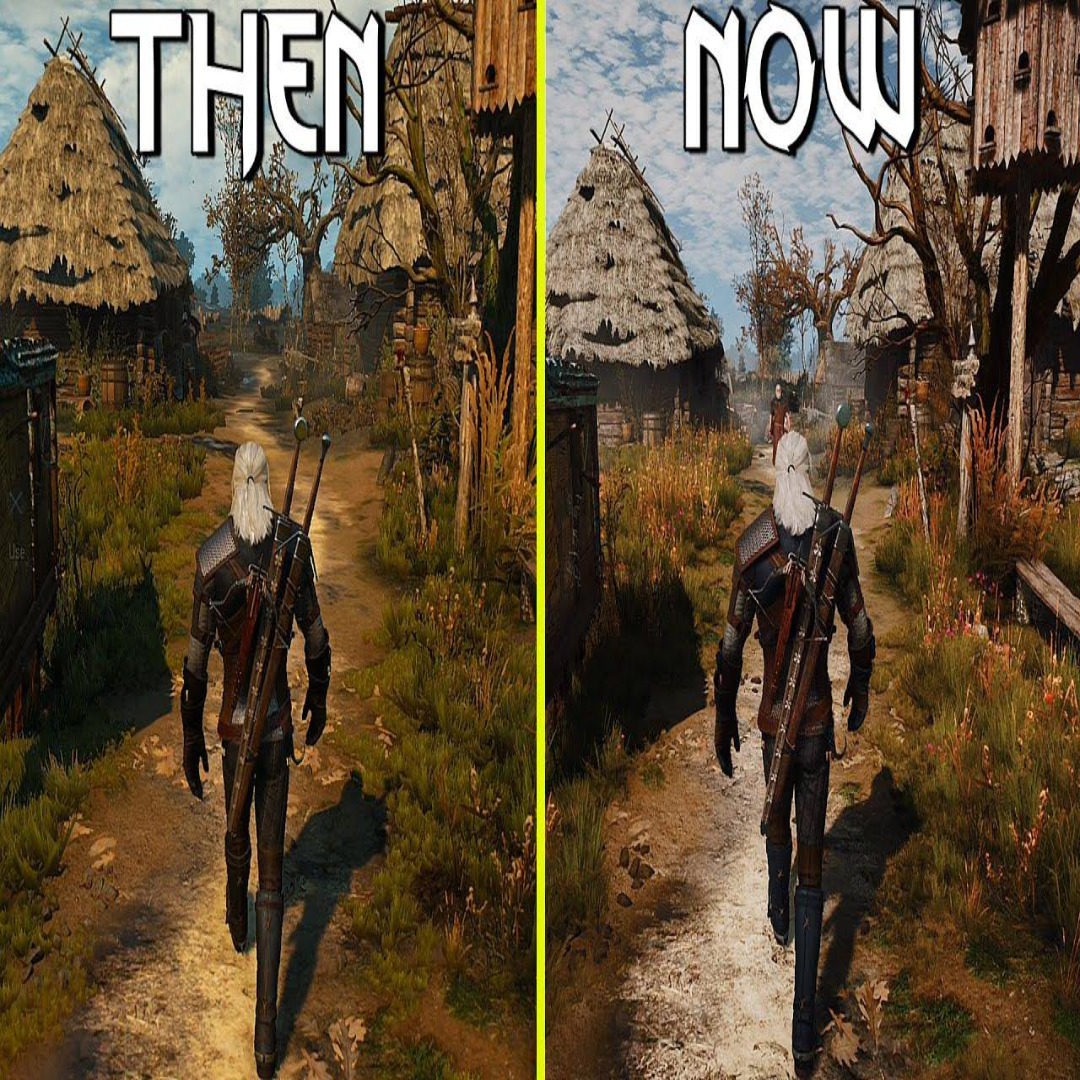
The global gaming industry is increasingly shifting its focus toward remakes of classic titles and live-service models as companies look for more stable and long-term revenue streams. This trend has become more prominent in recent years as development costs rise and competition intensifies across the gaming market.
Major publishers, including Ubisoft, Electronic Arts, and Activision Blizzard, are investing heavily in these strategies to reduce risk while maximizing player engagement.
Rise of Game Remakes
Remakes of popular older games have become a key part of industry strategy. Instead of creating entirely new intellectual properties, developers are revisiting successful titles and rebuilding them using modern technology.
Reasons behind this shift include:
- Established fan base and guaranteed audience
- Lower marketing risk compared to new IPs
- Opportunity to leverage nostalgia
- Ability to introduce improved gameplay and graphics
Recent announcements like Assassin’s Creed Black Flag Resynced highlight how companies are prioritizing remakes to attract both new and returning players.
Growth of Live-Service Models
Alongside remakes, live-service games have become a major focus. These games are designed to evolve over time, offering continuous updates, events, and monetization opportunities.
Key features of live-service models include:
- Regular content updates and seasonal events
- In-game purchases such as skins and battle passes
- Long-term player engagement strategies
- Community-driven content and feedback
Popular titles in this category have demonstrated that ongoing revenue can far exceed traditional one-time purchases.
Economic Factors Driving the Trend
The shift toward remakes and live-service models is largely driven by economic realities. Developing AAA games has become significantly more expensive, often requiring budgets comparable to major film productions.
As a result:
- Companies are seeking safer investments
- Revenue predictability has become a priority
- Long development cycles increase financial risk
These factors make remakes and live-service games attractive options for publishers.
Impact on Game Development
This trend is reshaping how games are developed and released. Studios are focusing more on:
- Long-term support instead of one-time launches
- Player retention metrics and engagement data
- Cross-platform compatibility and online features
While this approach offers financial benefits, it also changes the creative process within the industry.
Concerns Among Players and Developers
Despite its advantages, the trend has raised concerns among both players and developers.
Some common criticisms include:
- Reduced innovation due to reliance on existing franchises
- Monetization practices becoming too aggressive
- Fatigue from repetitive live-service mechanics
Developers have also expressed concerns about increased workload and pressure to maintain continuous updates.
Future Outlook
Industry experts believe that both remakes and live-service models will continue to play a major role in gaming’s future. However, companies may need to balance these strategies with original content to maintain creativity and player interest.
The success of upcoming projects will likely determine how far this trend continues.
Conclusion
The gaming industry’s shift toward remakes and live-service models reflects a broader move toward sustainability and long-term profitability. While these strategies offer financial stability, they also present challenges related to creativity and player expectations.
As the industry evolves, finding the right balance between innovation and reliability will be key to its future success.