
Tensions on the Korean Peninsula have risen again after North Korea launched another ballistic missile toward the sea on Wednesday, just days before the United States and South Korea are scheduled to begin their major annual joint military exercises.
The launch marks North Korea’s second ballistic-missile test in less than a week, adding another layer of tension ahead of the Ulchi Freedom Shield exercises scheduled to take place from August 17 to 27. South Korea and Japan condemned the launch, while the United States reaffirmed its commitment to defending its allies in the region.
The latest development is being closely watched because North Korea has repeatedly described US–South Korean military exercises as preparations for an invasion. Pyongyang’s decision to conduct another missile test immediately before the drills is therefore being interpreted as a deliberate warning to Washington and Seoul.
What Happened?
According to South Korean and Japanese authorities, North Korea launched a ballistic missile from its eastern coastal area near Wonsan early Wednesday.
The missile travelled approximately 700 kilometres (435 miles) before falling into waters between the Korean Peninsula and Japan. Japanese authorities said it landed outside Japan’s exclusive economic zone.
The launch was detected by South Korean and Japanese defence authorities, who immediately began analysing the missile’s flight path and characteristics.
The exact missile type has not been publicly confirmed.
However, the launch is significant because it represents another demonstration of North Korea’s growing missile capabilities at a time of heightened regional military activity.
Second Missile Test in Less Than a Week
The latest launch was not an isolated incident.
North Korea conducted another missile test on August 6, meaning Wednesday’s launch represents the country’s second ballistic-missile test within a week.
The timing has attracted particular attention because the United States and South Korea are preparing for their annual Ulchi Freedom Shield military exercises.
North Korea has historically responded to major US–South Korean exercises with missile tests, military demonstrations and strong rhetoric.
Analysts therefore believe the latest launch may have been intended to send a political and military message before the exercises begin.
What Are Ulchi Freedom Shield Exercises?
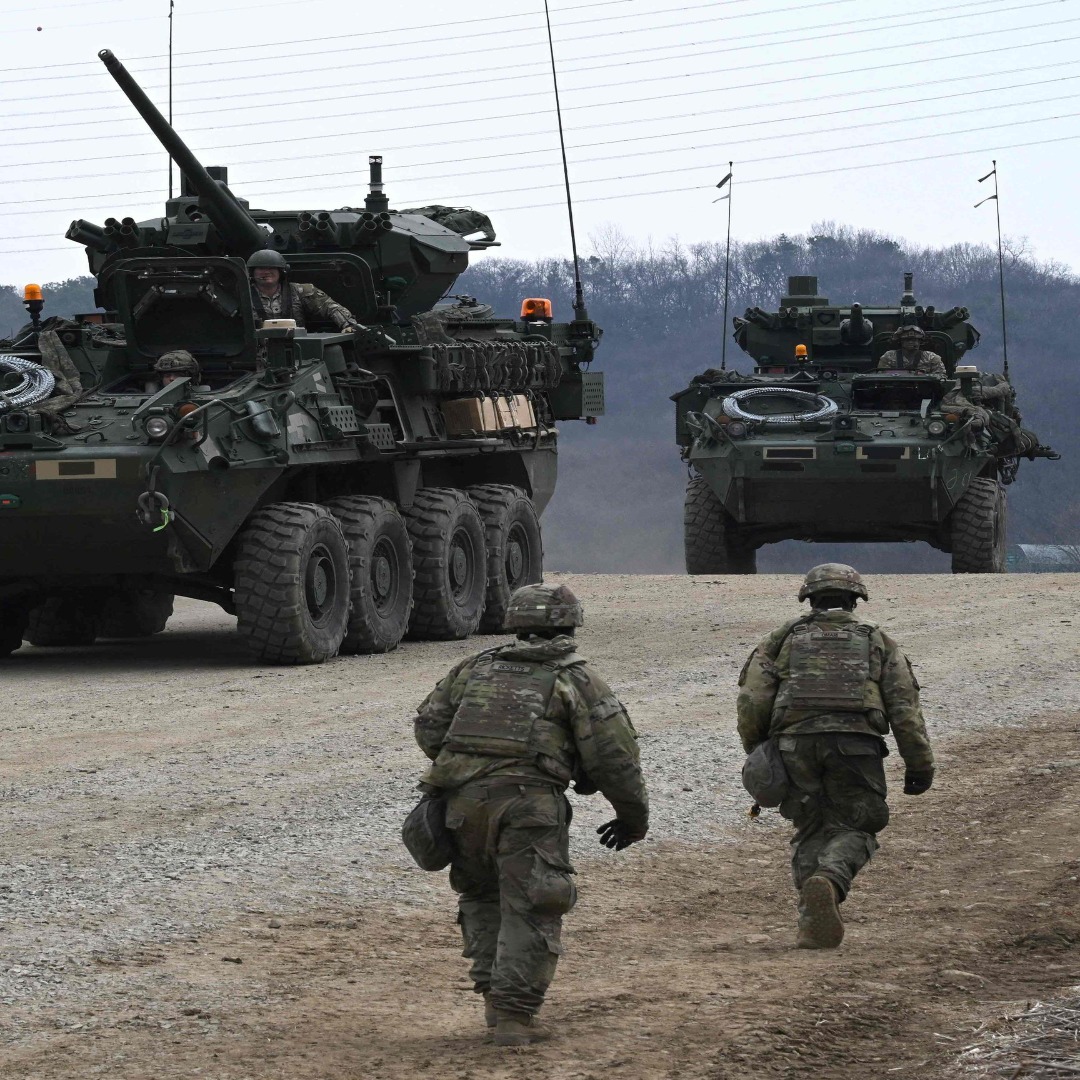
The Ulchi Freedom Shield exercises are annual joint military drills conducted by the United States and South Korea.
This year’s exercises are scheduled to begin on August 17 and continue through August 27.
The drills are designed to improve the two allies’ ability to respond to potential threats from North Korea.
Around 18,000 South Korean troops are expected to participate, with the exercises incorporating live, virtual, constructive and field-based training across multiple military domains.
The United States and South Korea argue that the exercises are necessary to maintain military readiness and ensure that their forces can respond effectively to North Korean aggression.
Pyongyang sees them very differently.
North Korea Calls the Drills a Threat
North Korea has repeatedly condemned joint military exercises between Washington and Seoul.
Pyongyang argues that the drills are essentially rehearsals for an invasion and has warned that it will respond to what it considers hostile military activity.
That disagreement has existed for decades, but tensions have become more complicated as North Korea continues expanding its nuclear and missile programs.
The latest missile launch therefore comes at a particularly sensitive moment.
South Korea Condemns the Launch
South Korea’s military strongly condemned the latest missile test.
Officials described the launch as a provocation and reiterated that Seoul remains prepared to respond alongside its American ally.
The South Korean military is maintaining close surveillance of North Korea and coordinating with US forces to monitor further military activity.
Seoul has also repeatedly stressed that North Korean missile launches violate relevant United Nations Security Council resolutions.
Japan Also Raises Concerns
Japan has also condemned the launch.
The missile travelled toward waters in the direction of Japan, although it fell outside Japan’s exclusive economic zone.
Japanese authorities consider North Korea’s continued development of ballistic missiles a serious threat to regional security, particularly because previous North Korean tests have demonstrated the ability to reach Japanese territory and waters surrounding the country.
Tokyo is therefore closely coordinating with both Washington and Seoul as North Korea increases its military activity.
US Says Launch Did Not Pose a Direct Threat
The US Indo-Pacific Command said the launch did not pose an immediate threat to US personnel, territory or allies.
However, Washington reiterated its commitment to the defence of South Korea and Japan.
The United States maintains a significant military presence in South Korea, and the alliance between Washington and Seoul remains one of the central pillars of America’s security strategy in East Asia.
The latest launch therefore adds another challenge for the Biden-era? — No: the current US administration under President Donald Trump — to manage as it balances military deterrence with the possibility of future diplomacy with Pyongyang.
North Korea’s Missile Program Continues to Expand
North Korea has spent years developing increasingly sophisticated missile systems.
Its arsenal includes:
- Short-range ballistic missiles
- Medium-range missiles
- Intermediate-range systems
- Intercontinental ballistic missiles
- Submarine-launched ballistic missile technology
- Hypersonic weapons and manoeuvrable missile systems
The country’s objective is to develop weapons capable of threatening both regional targets and the continental United States.
Recent tests have demonstrated that Pyongyang continues to invest heavily in improving the accuracy, survivability and range of its missile forces.
Growing North Korea–Russia Military Cooperation Adds Another Dimension
The latest developments are also taking place against the backdrop of increasingly close military cooperation between North Korea and Russia.
North Korea has provided Russia with military assistance during the war in Ukraine, including ballistic missiles and troops, according to US and South Korean officials.
In return, analysts have raised concerns that North Korea could gain military experience, technology or other assistance from Moscow.
The relationship has therefore become an additional concern for Washington, Seoul and their allies.
North Korean Weapons Have Also Appeared in the Ukraine War
The connection between North Korea’s missile program and the war in Ukraine has become increasingly significant.
Ukrainian officials have repeatedly accused Russia of using North Korean ballistic missiles against Ukrainian targets.
President Volodymyr Zelenskyy recently said Russia was increasingly relying on North Korean military support, including ballistic missiles and troops.
If North Korean weapons are being used in an active modern war, the experience could potentially provide Pyongyang with information about how its systems perform under real battlefield conditions.
That has raised additional concerns among Western and Asian security officials.
Why the Timing Matters
The most important aspect of Wednesday’s launch may not simply be the missile itself.
It is when North Korea chose to launch it.
The test comes:
Just days before US–South Korean military exercises.
North Korea has repeatedly opposed these exercises.
It has also recently resumed ballistic missile testing after a brief pause.
That combination makes the latest launch look like a deliberate signal to Washington and Seoul rather than an isolated weapons test.
Could More Missile Tests Follow?
Security analysts will now be watching North Korea closely for additional military activity.
Pyongyang could potentially conduct further missile launches or other weapons demonstrations during the US–South Korean exercises.
North Korea has historically used military tests to demonstrate its displeasure with exercises and to draw international attention to its security demands.
However, the exact scale of any further response remains uncertain.
A Larger Regional Security Problem
The Korean Peninsula is not the only region affected by these developments.
North Korea’s growing missile capabilities directly concern:
- 🇰🇷 South Korea
- 🇯🇵 Japan
- 🇺🇸 United States
But the issue also affects broader security calculations involving China and Russia.
North Korea’s increasingly close relationship with Moscow, combined with its long-standing relationship with Beijing, means that developments on the peninsula are connected to wider geopolitical competition in the Indo-Pacific.
The Nuclear Question Remains
Behind virtually every discussion about North Korean ballistic missiles lies the country’s nuclear weapons program.
North Korea has repeatedly rejected calls to abandon its nuclear arsenal and has instead continued developing weapons intended to strengthen what it calls its strategic deterrent.
The United States and South Korea maintain that North Korea must eventually return to negotiations over denuclearization.
However, diplomatic efforts have remained largely stalled for years.
The lack of meaningful dialogue has left military deterrence and weapons development at the centre of the relationship.
What Happens Next?
The immediate focus will now shift toward the August 17–27 Ulchi Freedom Shield exercises.
South Korea and the United States are expected to proceed with the drills despite North Korea’s latest launch.
Meanwhile, intelligence agencies in Seoul, Washington and Tokyo will continue monitoring North Korean military installations for signs of further launches or preparations.
The key question is whether Pyongyang will limit its response to missile tests or escalate its military demonstrations during the exercises.
Conclusion
North Korea’s latest ballistic-missile launch has once again placed the Korean Peninsula at the centre of international security concerns.
The missile travelled around 700 kilometres before landing in waters between Korea and Japan, marking the country’s second ballistic-missile test in less than a week. The timing—just days before the United States and South Korea begin their annual Ulchi Freedom Shield exercises—makes the launch particularly significant.
For Seoul, Washington and Tokyo, the latest development reinforces concerns about North Korea’s expanding weapons capabilities. For Pyongyang, the missile test sends a familiar message: it will continue strengthening its military capabilities while opposing US–South Korean military activity.
With major exercises beginning next week, the Korean Peninsula is entering another period of heightened tension, and the international community will be watching closely to see whether North Korea conducts further weapons tests or chooses to keep its response limited.