
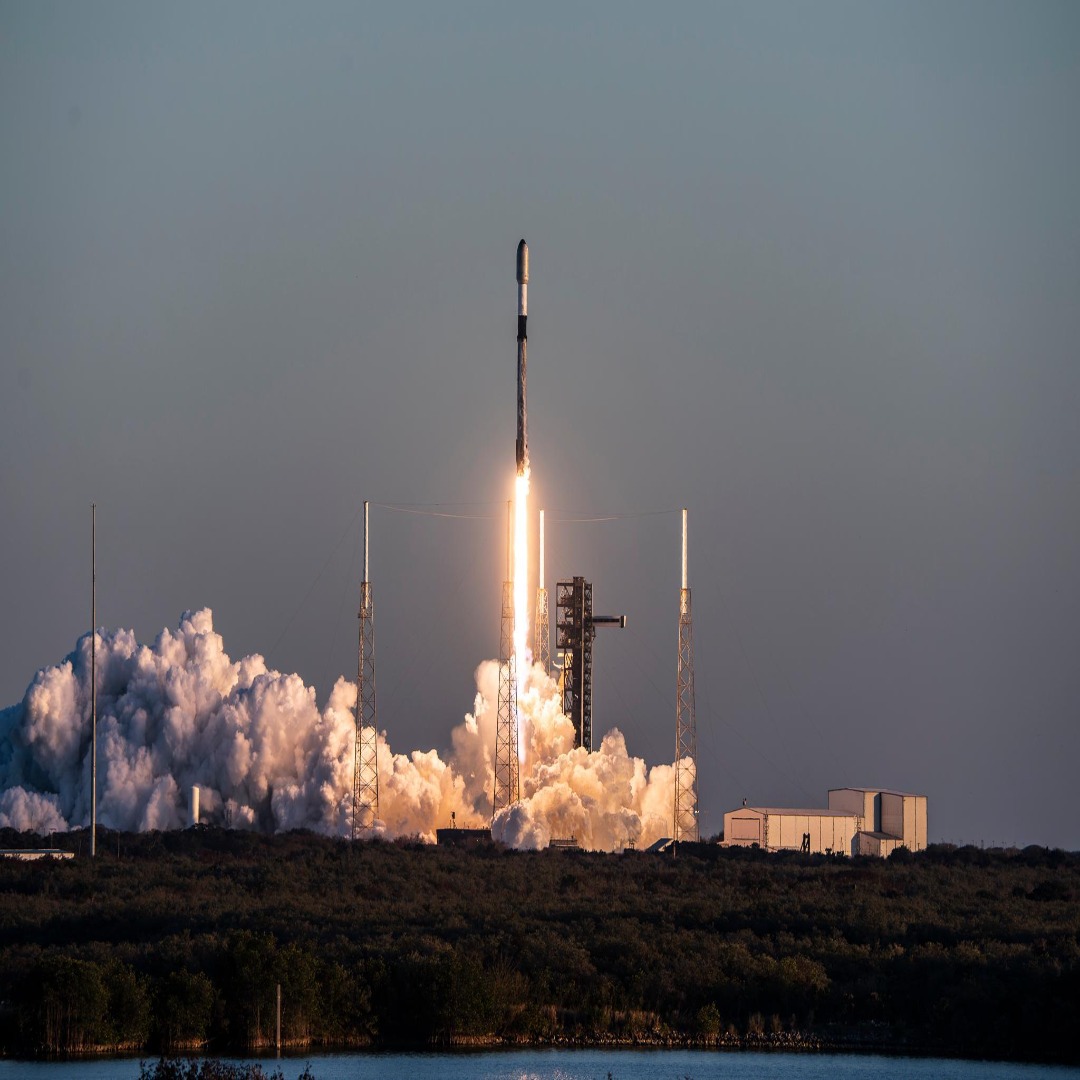
SpaceX has reported its first quarterly earnings since becoming a publicly traded company, delivering one of the strongest financial performances in the global aerospace industry. The Elon Musk-led company announced that its revenue surged 92% year-over-year to $7.8 billion during the April–June quarter, driven primarily by explosive growth in its Starlink satellite internet network and rapidly expanding artificial intelligence infrastructure business. Despite reporting impressive revenue growth, the company also revealed record-breaking investments in AI and next-generation space technologies, resulting in a quarterly net loss that reflects its aggressive long-term expansion strategy.
SpaceX’s First Public Earnings Report
This marks the first time investors have received a detailed look into SpaceX’s financial performance following the company’s historic public listing earlier this year.
Wall Street had been eagerly awaiting the results to understand whether SpaceX could justify its massive market valuation while continuing to fund ambitious projects such as Starship, Starlink, artificial intelligence infrastructure, and future Mars missions.
The earnings report largely exceeded analysts’ revenue expectations, confirming that SpaceX has rapidly evolved from a launch provider into one of the world’s fastest-growing technology and communications companies.
Revenue Nearly Doubles
For the quarter ending June 30, SpaceX generated $7.8 billion in total revenue, representing a 92% increase compared to the same period last year.
The company attributed this remarkable growth to three major businesses:
- Starlink satellite internet
- Artificial intelligence infrastructure
- Commercial space launches
Together, these businesses have transformed SpaceX into a diversified technology company rather than solely a rocket manufacturer.
According to company executives, the current momentum puts SpaceX on track to achieve an annualized revenue run-rate of nearly $100 billion by the end of 2026, an extraordinary milestone for a company that only a few years ago relied primarily on launch contracts.
Starlink Continues to Drive Growth
The biggest contributor to SpaceX’s success remains Starlink.
The satellite internet division now contributes more than half of the company’s total revenue, making it SpaceX’s largest business segment.
Highlights include:
- Starlink revenue increased 66% year-over-year
- Subscriber base expanded to approximately 12 million users
- Enterprise and government contracts continued to grow rapidly
- New regions were added across multiple continents
Starlink has evolved from an experimental satellite network into one of the world’s largest broadband providers, connecting millions of homes, businesses and remote communities that previously lacked reliable internet access.
AI Business Becomes a Major Revenue Engine
Perhaps the most surprising development was the rapid growth of SpaceX’s artificial intelligence business.
According to the earnings report:
- AI-related revenue surged by approximately 250%
- AI infrastructure generated around $1.6 billion
- Operating performance improved significantly
- Demand came from enterprise computing customers and large AI companies
SpaceX said its AI infrastructure is already supporting major computing contracts with companies developing next-generation artificial intelligence models.
Executives also noted that demand for AI computing capacity continues to exceed available supply, making the segment one of SpaceX’s fastest-growing businesses.
Massive Investment in the Future
Despite record revenues, SpaceX reported enormous spending aimed at future growth.
Capital expenditures increased dramatically to more than $18 billion during the quarter.
Of that amount:
- Approximately $15.8 billion was invested in AI infrastructure.
- Additional funds were allocated toward Starship development.
- Satellite manufacturing capacity continued expanding.
- New data centers and computing facilities were constructed.
Executives emphasized that these investments are intended to secure SpaceX’s leadership position in both space technology and artificial intelligence over the coming decade.
Why Profit Was Still Limited
Although revenue nearly doubled, SpaceX did not report a large accounting profit.
Instead, heavy spending on infrastructure, research and development, and future technologies reduced short-term earnings.
According to the report:
- Capital spending reached record levels.
- Starship development remains one of the company’s biggest expenses.
- AI data centers require billions of dollars in investment.
- Satellite production continues to expand rapidly.
Industry analysts say these costs are expected for a company pursuing long-term technological leadership rather than maximizing short-term profits.
Starship Remains Central to SpaceX’s Vision
While Starlink currently generates the majority of revenue, Starship remains the centerpiece of SpaceX’s long-term ambitions.
The fully reusable launch system is expected to support:
- Future NASA Moon missions
- Mars exploration
- Large satellite deployments
- Deep-space cargo transport
- Human spaceflight beyond Earth orbit
Executives reiterated that Starship development continues despite its significant financial cost because it represents the foundation of SpaceX’s future business model.
Wall Street’s Mixed Reaction
Despite impressive revenue growth, investor reaction was mixed.
SpaceX shares initially rose following publication of the earnings report as investors welcomed the company’s strong sales performance.
However, after analysts examined the scale of AI spending and capital expenditures, the stock declined in after-hours trading.
Many investors remain optimistic about SpaceX’s long-term growth but are also watching whether heavy investments begin translating into consistent profitability.
Elon Musk’s Long-Term Strategy
CEO Elon Musk has repeatedly stated that SpaceX is building infrastructure not just for today’s markets but for the next several decades.
The company’s strategy revolves around four pillars:
- Global satellite internet through Starlink.
- Commercial and government launch services.
- Artificial intelligence infrastructure.
- Human exploration of the Moon and Mars.
Analysts believe few companies are investing simultaneously in so many high-growth industries.
Industry Impact
SpaceX’s results also highlight how rapidly the space industry is changing.
Once viewed primarily as a rocket company, SpaceX is now competing across multiple sectors:
- Telecommunications
- Cloud infrastructure
- Artificial intelligence
- Defense technology
- Space transportation
Its financial performance is expected to influence competitors including Amazon’s Project Kuiper, OneWeb, Blue Origin, and several emerging AI infrastructure providers.
What Comes Next?
SpaceX plans to continue expanding Starlink while increasing investment in artificial intelligence and accelerating Starship development.
The company also intends to launch around 1,000 next-generation Starlink V3 satellites within the next year, further improving network speed and global coverage. Executives believe these investments will position SpaceX for sustained long-term growth despite near-term pressure on profits.
Conclusion
SpaceX’s first quarterly earnings report as a public company demonstrates just how dramatically the business has evolved. Record revenue driven by Starlink and AI has strengthened investor confidence in the company’s long-term vision, even as billions of dollars continue flowing into ambitious future projects. While profitability remains under pressure because of unprecedented investment, SpaceX has established itself as far more than a rocket company—it is rapidly becoming one of the world’s most influential technology, communications, and space enterprises.