
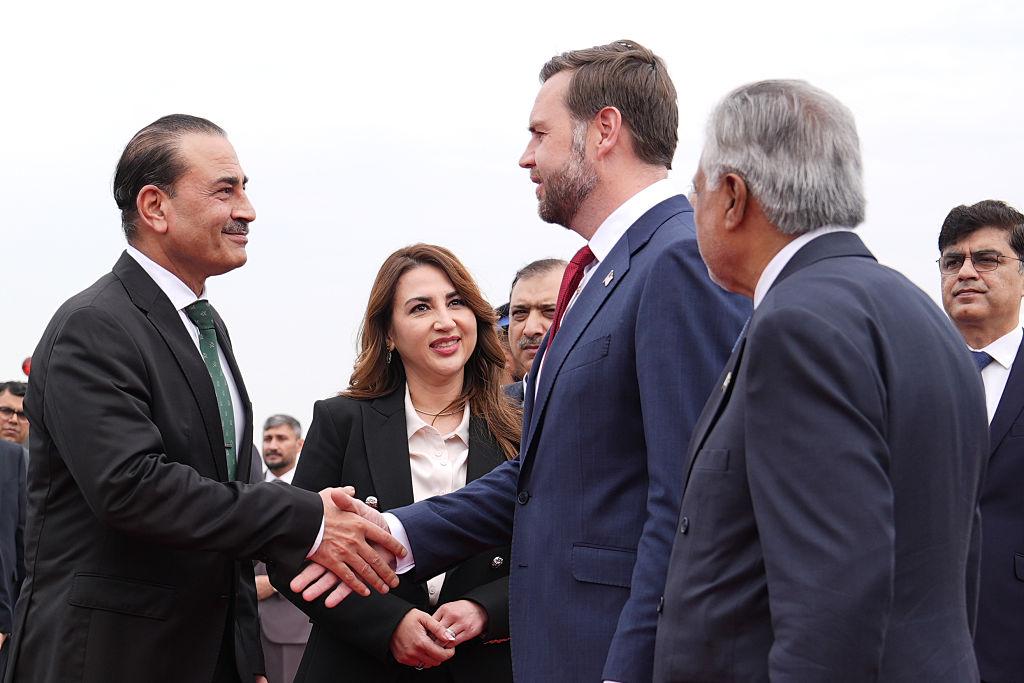
One of the most significant geopolitical developments of 2026 unfolded this week as the United States and Iran announced that they had reached a preliminary peace framework aimed at ending more than 100 days of conflict that has destabilized the Middle East, disrupted global energy markets, and raised fears of a wider regional war.
The agreement, described as a memorandum of understanding, is expected to be formally signed later this week and includes an immediate halt to military operations, the reopening of the strategically critical Strait of Hormuz, and the launch of further negotiations on unresolved issues such as Iran’s nuclear program and sanctions relief.
For governments, businesses, and financial markets around the world, the announcement represents the biggest diplomatic breakthrough since the conflict began earlier this year.
A War That Threatened Global Stability
The conflict between the United States and Iran escalated dramatically in early 2026 and quickly evolved into one of the most dangerous international crises in recent years.
Fighting expanded beyond direct military confrontations and affected shipping routes, energy infrastructure, and regional security arrangements. One of the most serious consequences was the disruption of traffic through the Strait of Hormuz, a narrow waterway through which a significant portion of the world’s oil exports passes.
As tensions increased:
- Oil prices surged.
- Global shipping costs rose.
- Financial markets became volatile.
- Governments warned of broader regional escalation.
Many analysts feared the conflict could evolve into a prolonged war with worldwide economic consequences.
What Is Included in the Agreement?
Although the complete text has not yet been publicly released, officials from both countries have confirmed several major components of the framework.
Key elements reportedly include:
- An immediate ceasefire.
- A halt to military operations.
- Reopening of the Strait of Hormuz.
- Future negotiations regarding Iran’s nuclear program.
- Discussions on sanctions relief.
- Continued diplomatic talks over regional security issues.
The agreement establishes a temporary negotiation period intended to create conditions for a more permanent settlement.
Officials from both countries have described the deal as a first step rather than a final resolution.
Why the Strait of Hormuz Matters
Perhaps the most important part of the agreement involves the Strait of Hormuz.
The waterway is one of the world’s most important energy corridors. Any disruption immediately affects oil markets, shipping companies, insurers, and governments around the globe.
Throughout the conflict, uncertainty surrounding access to the strait became a major source of concern for international markets. The possibility of long-term disruption raised fears of higher fuel costs and broader inflationary pressure.
Under the peace framework, both sides have indicated that commercial navigation through the strait will resume, though details regarding implementation are still being finalized.
Oil Markets React Immediately
Financial markets responded within hours of the announcement.
Oil prices fell sharply as investors concluded that the risk of major supply disruptions had decreased significantly.
According to market reports:
- Brent crude dropped substantially.
- U.S. crude prices also declined.
- Energy stocks experienced volatility.
- Global stock markets generally moved higher.
Investors interpreted the agreement as reducing one of the biggest geopolitical risks facing the global economy.
The reaction demonstrated just how important the Middle East conflict had become to international economic stability.
Questions About Iran’s Nuclear Program Remain
Despite the positive headlines, one of the most difficult issues remains unresolved.
Negotiations regarding Iran’s nuclear activities are expected to continue during the next phase of discussions.
Western governments have repeatedly stated that Iran must not obtain nuclear weapons capability, while Iranian officials continue to insist that their nuclear program serves peaceful purposes.
The peace framework does not appear to fully resolve these disputes.
Instead, it creates a period during which negotiators will attempt to reach longer-term arrangements.
Many analysts believe the success or failure of these talks will ultimately determine whether the current peace effort becomes permanent.
Regional Reactions
The agreement has received mixed reactions across the Middle East.
Several governments welcomed the breakthrough and expressed hope that it would reduce tensions throughout the region. Pakistan, Qatar, China, and numerous international actors publicly praised the development.
However, some concerns remain.
Questions continue regarding:
- Future security arrangements.
- The situation in Lebanon.
- Israel’s position on the agreement.
- Long-term enforcement mechanisms.
Some regional leaders have warned that implementation will be just as important as the agreement itself.
The United Nations Welcomes the Deal
The United Nations also reacted positively.
UN Human Rights Chief Volker Türk described the agreement as a major opportunity to reduce suffering and prevent further escalation. He urged all parties to implement the agreement in good faith and exercise restraint during the next phase of negotiations.
International organizations hope the deal will help stabilize humanitarian conditions in several affected areas.
India’s Perspective
For India, the development carries particular importance.
India has significant economic and energy interests connected to the Middle East and maritime trade routes through the region.
Prime Minister Narendra Modi welcomed the agreement and expressed hope that it would help restore stability and ensure freedom of navigation in international waters.
A stable Strait of Hormuz is especially important for India’s energy security and commercial trade.
Why This Could Be One of 2026’s Biggest Stories
Few events this year have had the potential to affect as many sectors simultaneously.
The agreement influences:
- International diplomacy.
- Energy markets.
- Global trade.
- Shipping industries.
- National security planning.
- Financial markets.
For months, the conflict represented one of the world’s most significant geopolitical risks. The possibility of de-escalation therefore has implications far beyond the Middle East.
Challenges Ahead
Despite widespread optimism, experts caution that major challenges remain.
Among the key uncertainties:
- The agreement has not yet been fully implemented.
- Several provisions remain unclear.
- Nuclear negotiations have not concluded.
- Regional security disputes continue.
- Long-term trust between the parties remains limited.
History has shown that peace frameworks can succeed or fail depending on implementation.
As a result, many governments are celebrating cautiously rather than declaring the crisis fully resolved.
Conclusion
The announcement of a U.S.–Iran peace framework marks the most important diplomatic breakthrough of 2026 so far. After more than 100 days of conflict, both sides have agreed to halt hostilities and pursue a path toward broader negotiations, offering hope for reduced tensions across one of the world’s most strategically important regions.
The reopening of the Strait of Hormuz, the immediate ceasefire provisions, and the launch of further talks have already produced positive reactions from governments and financial markets around the world. Yet major questions remain regarding Iran’s nuclear program, regional security arrangements, and long-term implementation.
For now, however, the agreement stands as a rare diplomatic success in a year dominated by conflict—and one that could reshape the geopolitical landscape of the Middle East for years to come.