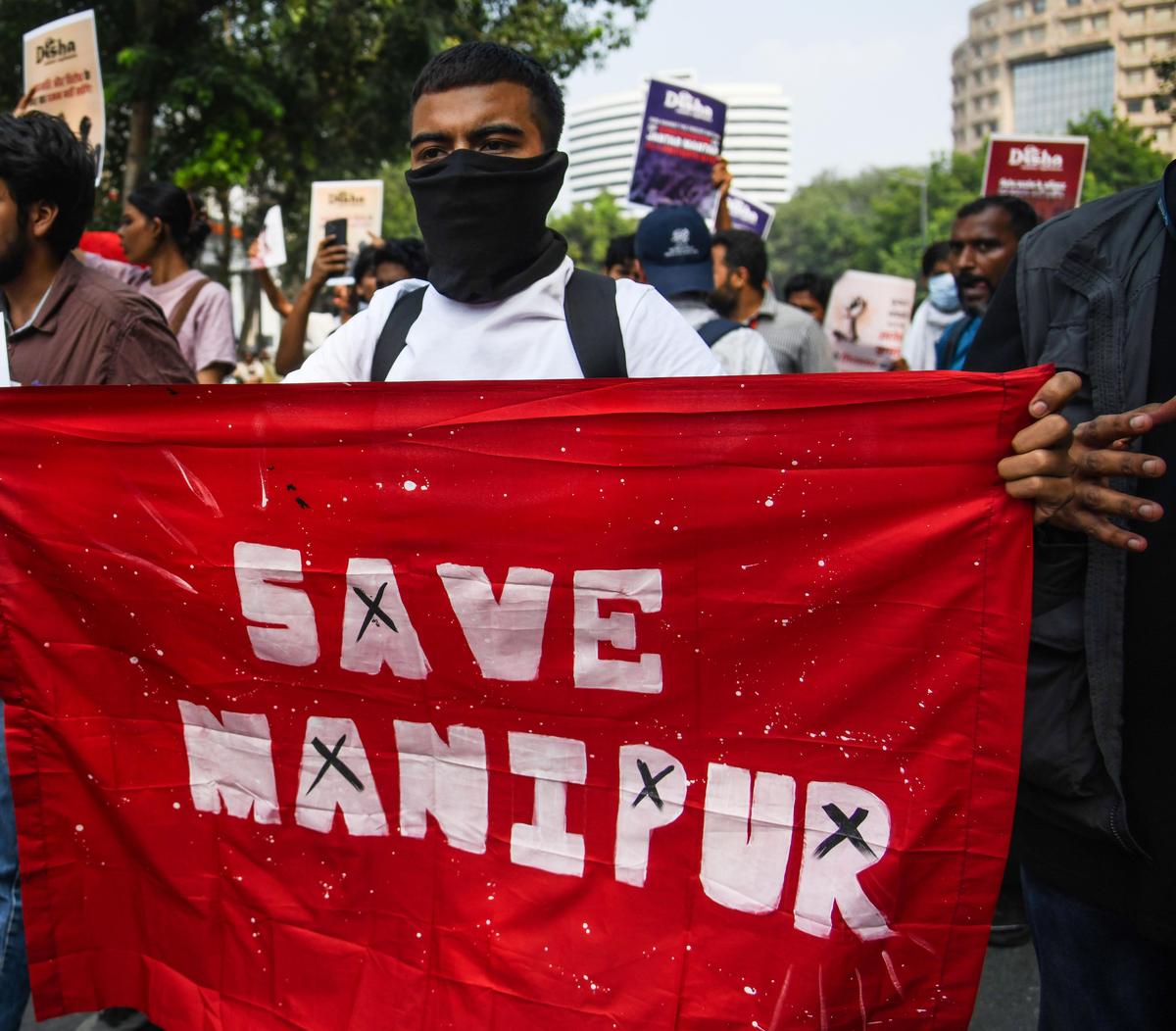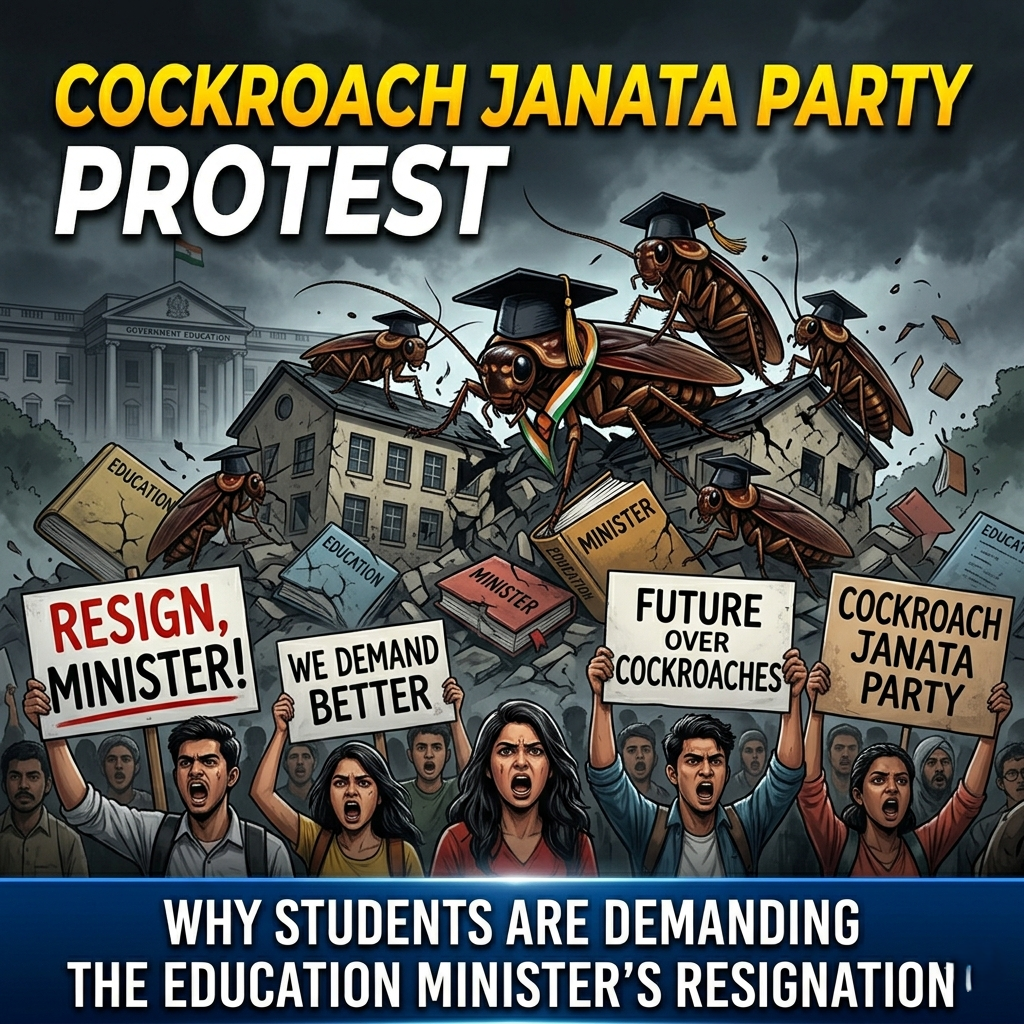
A student-led organization known as the Cockroach Janata Party (CJP) has announced a major protest on June 11, demanding the resignation of the Education Minister. The announcement has sparked widespread discussion across social media platforms and student communities, with many young people expressing concerns about the current state of India’s education system.
The protest is expected to focus on issues such as examination management, transparency in educational institutions, student welfare, and accountability within the education sector.
As education continues to shape the future of millions of students, this movement reflects growing frustration among young citizens who believe urgent reforms are needed.
Who Is the Cockroach Janata Party?
The Cockroach Janata Party is a youth-driven activist group that has gained attention through its unconventional name and direct approach to public issues. The organization primarily focuses on:
- Student rights
- Educational reforms
- Transparency in governance
- Public accountability
- Youth participation in democracy
Over the past few years, student-led movements across India have increasingly used social media to mobilize support and raise awareness about issues affecting education and employment.
The June 11 protest appears to be another example of how young people are seeking a stronger voice in policy discussions.
Why Are Students Demanding the Education Minister’s Resignation?
According to statements shared by protest organizers, the demand for resignation is linked to concerns regarding the handling of educational policies and administrative decisions.
Some of the issues frequently raised by student groups include:
1. Examination Irregularities
Students across the country have repeatedly voiced concerns over:
- Exam paper leaks
- Technical failures during online examinations
- Delayed results
- Inconsistent evaluation processes
Many students believe these problems directly affect their academic future and career opportunities.
2. Rising Academic Pressure
The modern education system has become increasingly competitive.
Students often face:
- Intense examination stress
- Mental health challenges
- Career uncertainty
- Pressure to secure admissions and placements
Youth organizations argue that educational policies should place greater emphasis on student well-being rather than solely academic performance.
3. Demand for Accountability
One of the primary objectives of the protest is accountability.
Protesters argue that when large-scale educational issues occur, responsible authorities must provide clear explanations and solutions.
Student leaders claim that leadership positions should be held accountable when repeated administrative failures affect millions of learners.
The Growing Power of Student Movements in India
India has a long history of student activism.
From independence-era movements to modern digital campaigns, students have often played a significant role in raising social and political concerns.
Today’s student movements are different because they combine:
- Ground-level protests
- Social media campaigns
- Online petitions
- Digital awareness initiatives
Platforms such as Instagram, X (formerly Twitter), YouTube, and WhatsApp allow student organizations to reach millions of people within hours.
The Cockroach Janata Party’s protest announcement has already generated significant online engagement, demonstrating the growing influence of youth-led campaigns.
Why Education Reform Matters
Education remains one of the most important pillars of national development.
A strong education system contributes to:
Economic Growth
Skilled graduates help drive innovation, entrepreneurship, and industrial development.
Employment Opportunities
Quality education improves job readiness and enhances workforce competitiveness.
Social Progress
Education promotes equality, awareness, and civic participation.
Global Competitiveness
Countries with strong educational systems often perform better in technology, research, and economic development.
Because of these factors, any controversy related to education governance quickly becomes a matter of national interest.
Challenges Facing India’s Education System
While India has made remarkable progress in expanding educational access, several challenges remain.
Infrastructure Gaps
Many institutions continue to struggle with:
- Insufficient classrooms
- Limited laboratory facilities
- Inadequate digital resources
Digital Divide
Although online learning expanded rapidly after the pandemic, access to reliable internet and technology remains unequal across regions.
Skill Gap
Industry leaders frequently point to a gap between academic learning and real-world job requirements.
Many graduates require additional training before entering the workforce.
Examination-Centric Learning
Critics argue that excessive focus on exams often limits creativity, innovation, and practical skill development.
Student organizations have repeatedly called for reforms that encourage critical thinking and experiential learning.
What Could Happen on June 11?
The planned protest is expected to attract students, youth activists, and supporters from various educational backgrounds.
Possible demands may include:
- Greater transparency in educational administration
- Independent investigations into disputed issues
- Improved student support systems
- Policy reforms focused on student welfare
- Increased accountability from education authorities
Authorities are likely to monitor the situation closely to ensure public order and facilitate peaceful democratic expression.
The Importance of Peaceful Democratic Participation
Peaceful protest is an essential component of any democratic society.
It allows citizens to:
- Express concerns
- Demand accountability
- Influence policy discussions
- Encourage institutional reforms
Regardless of differing political opinions, constructive dialogue between students, policymakers, and educational institutions remains crucial for addressing challenges within the education system.
The success of any reform effort ultimately depends on meaningful engagement between all stakeholders.
Conclusion
The announcement of the June 11 protest by the Cockroach Janata Party highlights growing concerns among students regarding the direction of educational governance and accountability. Whether one agrees with the demands or not, the movement reflects a broader conversation about the future of education in India.
As millions of young Indians prepare for careers in an increasingly competitive world, calls for transparency, fairness, and student-centered reforms are likely to remain at the forefront of public debate.
The upcoming protest serves as a reminder that education is not merely a policy issue—it is a matter that directly impacts the aspirations, opportunities, and future of an entire generation.