
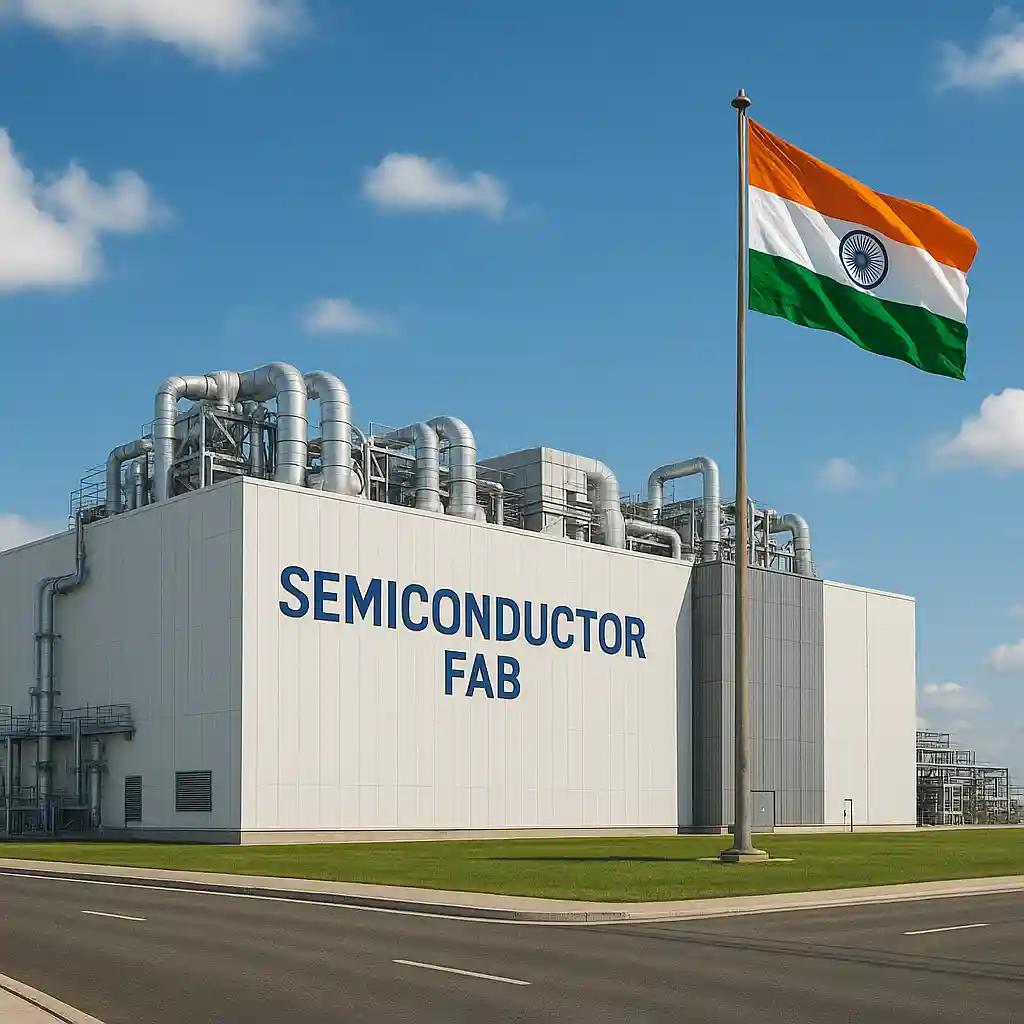
India is rapidly increasing its focus on semiconductor manufacturing as the country aims to reduce dependence on imported chips and strengthen its position in the global technology supply chain. The move comes at a time when semiconductors have become one of the world’s most strategically important resources, powering everything from smartphones and computers to automobiles, artificial intelligence systems, defense equipment, and data centers.
In recent years, global chip shortages exposed the vulnerability of countries that rely heavily on imports for semiconductor requirements. These disruptions affected industries worldwide, slowing production in sectors such as electronics, automotive manufacturing, and telecommunications. For India, which imports a major portion of its semiconductor needs, the situation highlighted the urgency of building domestic manufacturing capabilities.
As a result, the Indian government has accelerated efforts to establish a strong semiconductor ecosystem through investments, policy support, and partnerships with global technology companies.
Why Semiconductors Are Important
Semiconductors are often referred to as the “foundation of modern technology.” Almost every electronic device today depends on chips to function efficiently.
Industries heavily dependent on semiconductors include:
- Consumer electronics
- Automotive and electric vehicles
- Artificial intelligence and cloud computing
- Telecommunications and 5G infrastructure
- Defense and aerospace systems
Because of this, countries across the world are competing to secure semiconductor supply chains and reduce external dependency.
India’s Current Dependency on Imports
India currently imports the majority of its semiconductor requirements from countries such as Taiwan, China, South Korea, and the United States. This dependency creates multiple challenges:
- Vulnerability to global supply chain disruptions
- Increased manufacturing costs for Indian companies
- Strategic risks during geopolitical tensions
- Trade imbalance due to large import bills
Experts believe that reducing this dependency is essential for India’s long-term technological and economic growth.
Government Initiatives and Investments
To address these challenges, the Indian government launched the India Semiconductor Mission, a large-scale initiative aimed at building a domestic semiconductor ecosystem.
Key measures include:
- Financial incentives for semiconductor companies
- Infrastructure support for manufacturing plants
- Policy reforms to attract global investment
- Partnerships with international technology firms
One of the most significant developments has been the establishment of a major semiconductor assembly and testing facility by Micron Technology in Gujarat. The project represents one of the largest semiconductor investments in India and is expected to strengthen the country’s manufacturing capabilities.
The government is also actively encouraging other global companies to establish chip manufacturing and packaging facilities in the country.
Gujarat Emerging as a Semiconductor Hub
Gujarat, particularly the Sanand region, is emerging as a key semiconductor manufacturing hub in India. The state government has offered infrastructure support, industrial land, and favorable policies to attract investment.
This development is expected to create a larger technology ecosystem involving:
- Semiconductor suppliers
- Logistics companies
- Research and development centers
- Skilled workforce training institutes
Industry analysts believe that such ecosystems are essential for building a sustainable semiconductor industry.
Economic and Strategic Impact
The expansion of semiconductor manufacturing in India could have major economic and strategic benefits.
Economic Benefits
- Creation of thousands of high-skilled jobs
- Growth of electronics manufacturing sector
- Increase in foreign investment
- Expansion of local technology startups and suppliers
Strategic Benefits
- Reduced dependence on foreign chip imports
- Improved supply chain security
- Stronger position in global technology competition
Semiconductors are increasingly viewed not just as economic assets, but also as strategic resources critical for national security.
Challenges India Still Faces
Despite the progress, building a semiconductor ecosystem is extremely challenging. Semiconductor manufacturing requires:
- Massive capital investment
- Advanced technology and expertise
- Stable electricity and water supply
- Highly skilled workforce
Competition from established semiconductor leaders like Taiwan and South Korea also remains intense.
Experts suggest that India’s initial focus on chip assembly, testing, and packaging may serve as a stepping stone toward more advanced fabrication capabilities in the future.
Global Semiconductor Competition
Countries around the world are investing heavily in semiconductor production. The United States, China, Japan, and the European Union have all introduced major policies and funding programs to strengthen domestic chip manufacturing.
India’s entry into this sector reflects the growing importance of technological independence in the modern economy.
Future Outlook
Industry experts believe that India’s semiconductor push could transform the country into a major electronics and technology manufacturing destination over the next decade.
If investments continue and infrastructure develops successfully, India could become an important part of the global semiconductor supply chain, particularly in chip assembly, packaging, and potentially fabrication.
However, long-term success will depend on consistent policy support, infrastructure development, and the ability to attract advanced technology partnerships.
Conclusion
India’s increasing focus on semiconductor manufacturing marks a significant shift in the country’s technology and industrial strategy. By reducing dependence on imported chips and building domestic capabilities, India aims to strengthen economic resilience and position itself as a global technology hub.
While major challenges remain, ongoing investments and government initiatives indicate that semiconductors could become one of the most important sectors shaping India’s technological future.