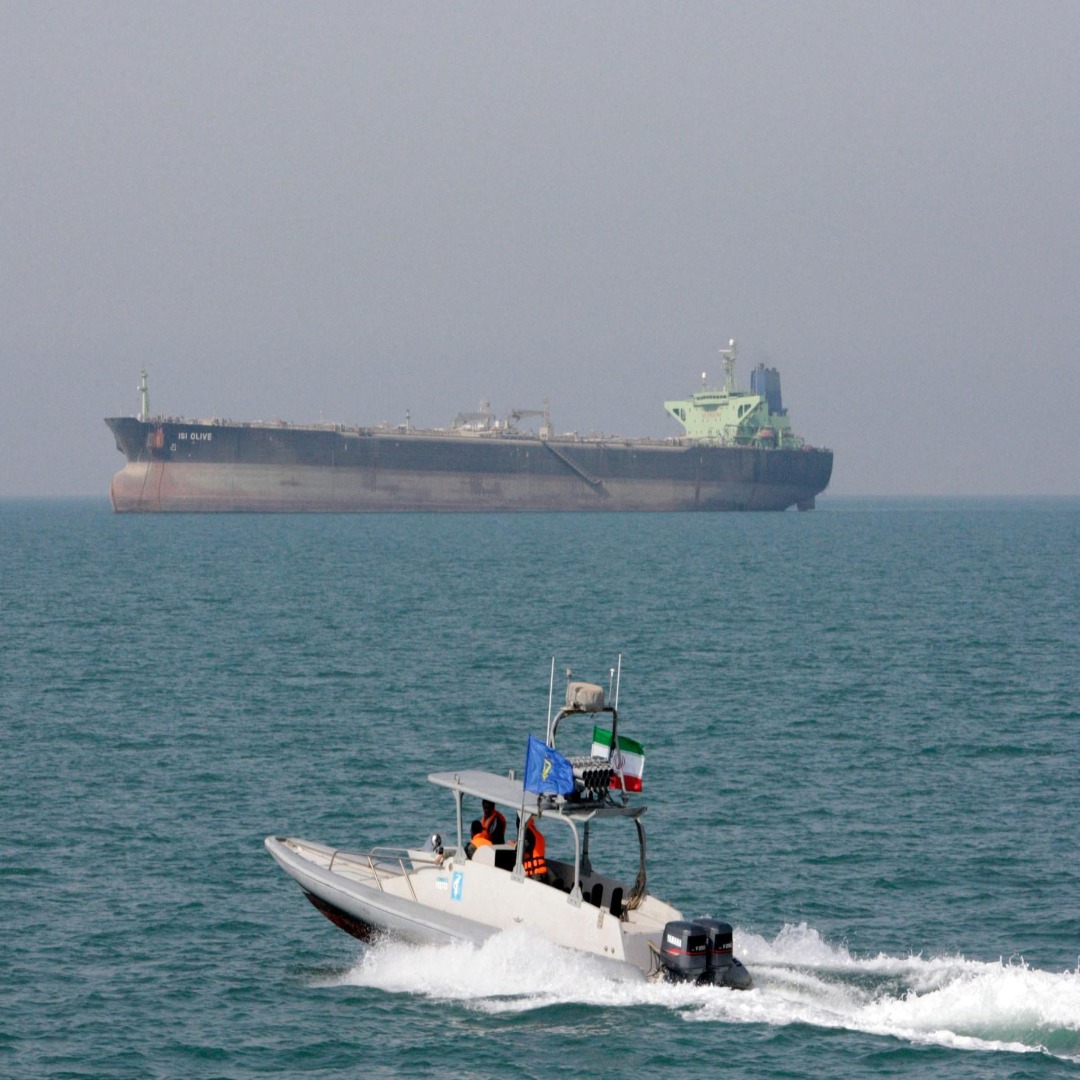
Global oil markets are experiencing continued volatility as geopolitical tensions in the Middle East disrupt critical energy supply routes. The situation has created uncertainty in international markets, affecting fuel prices, trade dynamics, and economic stability across multiple regions.
The instability is largely linked to ongoing tensions involving key oil-producing nations and strategic shipping routes, particularly the Strait of Hormuz, through which a significant portion of the world’s oil supply passes.
Why Oil Prices Are Fluctuating
Oil prices have been reacting sharply to developments in the Middle East, where even minor escalations can lead to major market movements.
Key reasons behind the volatility include:
- Ongoing geopolitical tensions and military activity
- Threats to shipping routes and tanker safety
- Uncertainty over supply continuity
- Market speculation and investor reactions
These factors have made oil prices highly sensitive, leading to frequent fluctuations in global markets.
Importance of the Strait of Hormuz
The Strait of Hormuz plays a crucial role in global energy supply. A large percentage of crude oil exports from countries in the Gulf region pass through this narrow waterway.
Any disruption in this route can have immediate consequences:
- Delays in oil shipments
- Increased transportation costs
- Reduced supply in global markets
This makes the region one of the most strategically important energy corridors in the world.
Impact on Global Economy
Rising and unstable oil prices have a direct impact on the global economy. Countries that rely heavily on oil imports are particularly vulnerable.
Major effects include:
- Increase in fuel prices for consumers
- Higher transportation and production costs
- Inflationary pressure on economies
- Slower economic growth
Developing economies, including India, are especially affected due to their dependence on imported energy.
Impact on India
India imports a significant portion of its crude oil, making it sensitive to global price changes. Volatility in oil prices can lead to:
- Rising petrol and diesel prices
- Increased cost of goods and services
- Pressure on government subsidies and fiscal balance
Authorities are closely monitoring the situation and may adjust policies to manage the impact.
Market and Investor Response
Global markets have shown mixed reactions, with investors shifting toward safer assets amid uncertainty. Oil companies may benefit from higher prices, while sectors dependent on fuel face increased costs.
Analysts suggest that markets will continue to react quickly to any developments in the Middle East.
Future Outlook
Experts believe that oil price volatility may continue in the short term unless there is a significant de-escalation in geopolitical tensions. Diplomatic efforts and stability in the region will play a crucial role in determining future price trends.
Long-term solutions may include diversification of energy sources and increased investment in renewable energy to reduce dependence on volatile oil markets.
Conclusion
The continued volatility in global oil prices highlights the strong connection between geopolitics and energy markets. As tensions in the Middle East persist, the risk to supply routes remains a key concern for the global economy.
Stability in critical regions like the Strait of Hormuz will be essential to ensuring consistent energy supply and maintaining economic balance worldwide.