India is likely to experience a below-normal monsoon in 2026, according to early forecasts, raising concerns about agricultural output, food security, and overall economic stability. The monsoon season plays a crucial role in the country’s economy, as a significant portion of India’s agriculture depends on seasonal rainfall.
A weaker-than-expected monsoon could impact crop production, increase inflationary pressures, and affect rural incomes, making it a key issue for policymakers and farmers alike.
Importance of Monsoon for India
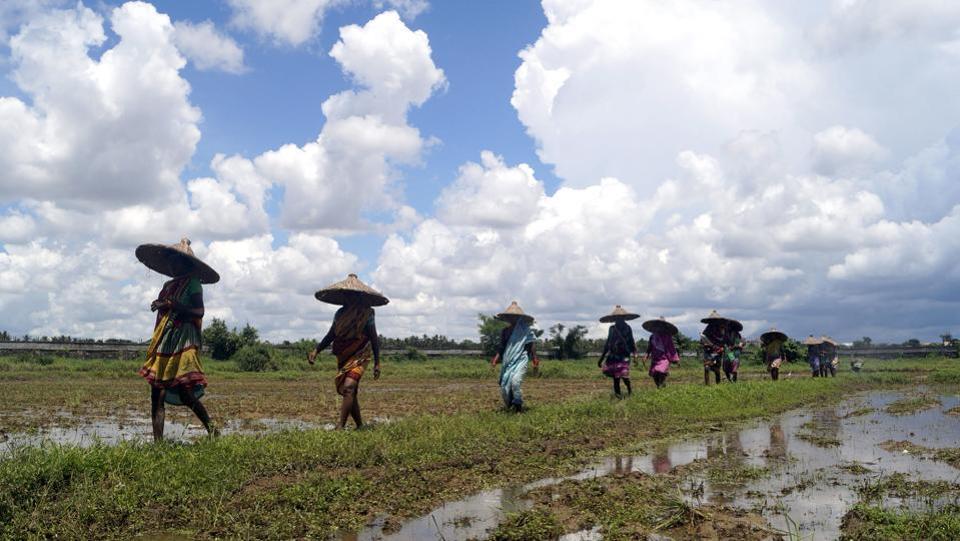
The southwest monsoon is the primary source of rainfall for India and is essential for irrigation, especially in regions that lack advanced water infrastructure. Nearly half of India’s farmland depends directly on rainfall rather than irrigation systems.
Good monsoon seasons typically support strong agricultural output, while weak or irregular rainfall can lead to crop failures and economic stress in rural areas.
Reasons Behind the Forecast
Meteorological experts have pointed to changing climate patterns and global weather phenomena as possible reasons for a weaker monsoon this year. Factors such as rising temperatures, oceanic changes, and shifting wind patterns can influence the intensity and distribution of rainfall.
There are also concerns about the potential development of El Niño conditions, which are often associated with reduced rainfall in the Indian subcontinent.
Impact on Agriculture
A below-normal monsoon could have a direct impact on key crops such as rice, pulses, and oilseeds. Reduced rainfall may lead to:
- Lower crop yields
- Delayed sowing seasons
- Increased dependence on irrigation
- Higher input costs for farmers
This could particularly affect small and marginal farmers who rely heavily on rainfall for their livelihoods.
Economic Implications
The impact of a weak monsoon extends beyond agriculture. It can influence the broader economy in several ways:
- Food prices may rise due to reduced supply
- Inflation could increase, affecting household expenses
- Rural consumption may decline
- Government spending on relief and support programs may increase
Since agriculture contributes significantly to employment and rural income, any disruption can have a cascading effect on economic growth.
Government Preparedness
The government is expected to closely monitor the situation and take preventive measures to reduce the impact. These may include:
- Strengthening irrigation support
- Ensuring adequate food stock availability
- Providing financial assistance to affected farmers
- Implementing contingency plans for drought-prone regions
Officials have emphasized the importance of preparedness to manage potential risks effectively.
Climate Change Concerns
The possibility of a below-normal monsoon also highlights the growing impact of climate change on weather patterns. Increasing unpredictability in rainfall is becoming a major challenge for agriculture-dependent economies like India.
Experts stress the need for long-term strategies, including better water management, climate-resilient crops, and improved forecasting systems.
Conclusion
The forecast of a below-normal monsoon in 2026 has raised important concerns for India’s agriculture and economy. While the final outcome will depend on how weather patterns evolve in the coming months, the situation underscores the need for proactive planning and resilience.
Ensuring support for farmers and maintaining economic stability will be critical as the country prepares for a potentially challenging monsoon season.