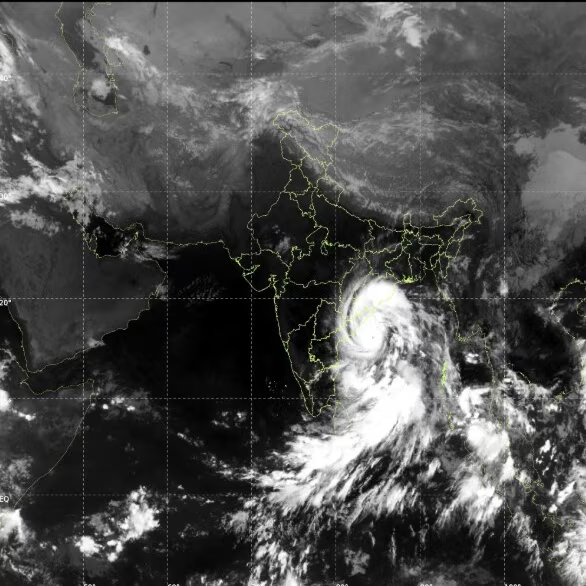
India’s eastern coastline is preparing for severe weather as Cyclone Arnab moves towards Andhra Pradesh and Odisha, triggering evacuation operations, transport disruptions and precautionary measures. Authorities are working to move residents away from vulnerable coastal areas before the storm’s expected landfall.
According to a Reuters report published on October 27, thousands of people had been evacuated from vulnerable locations, while railway authorities cancelled or suspended several train services. The India Meteorological Department (IMD) reported that the weather system had intensified over the Bay of Bengal.
The cyclone was expected to make landfall along the Andhra Pradesh coast by Wednesday morning, October 28, bringing strong winds and intense rainfall to parts of Andhra Pradesh and neighbouring Odisha. Forecasts can change as a cyclone develops, making official weather bulletins essential for tracking its latest movement.
The immediate priority for authorities is to protect coastal communities, minimise damage to infrastructure and prevent loss of life.
How Did Cyclone Arnab Develop?
Cyclone Arnab formed over the Bay of Bengal, a region known for producing tropical cyclones that can affect India’s eastern coastline.
According to the IMD’s assessment reported by Reuters, the system intensified from Monday, October 26, into a cyclonic storm. Weather systems over warm tropical waters can strengthen when atmospheric and oceanic conditions are favourable, potentially producing powerful winds, heavy rain and dangerous sea conditions.
The Bay of Bengal has historically been a major source of cyclones affecting Odisha, Andhra Pradesh, West Bengal and other coastal regions. Communities living close to the sea face particular risks because of storm surges, coastal flooding, falling trees and damage to electricity and communication infrastructure.
The cyclone’s approach has therefore prompted authorities to focus on evacuation, emergency preparedness and public warnings rather than waiting for the storm to reach land.
The precise intensity, rainfall distribution and local impacts depend on the cyclone’s movement and changing meteorological conditions. Residents should rely on updated IMD bulletins rather than older forecasts circulating on social media.
Thousands of Residents Moved to Safer Locations
Evacuation has become one of the most important parts of the emergency response.
Reuters reported that approximately 50,000 people had been moved to shelters in vulnerable areas of Andhra Pradesh by Monday night. Prakhar Jain, managing director of the Andhra Pradesh State Disaster Management Authority, said that around 400,000 people were estimated to require evacuation.
Officials indicated that evacuation operations were continuing.
These figures show the scale of the challenge facing the state. Moving large numbers of residents requires coordination between local administrations, disaster-management teams, police, transport services and shelter operators.
Evacuation is particularly important for people living in low-lying coastal areas, temporary housing and locations vulnerable to flooding. Elderly residents, children, people with disabilities and those requiring medical assistance may need additional support.
Shelters also need sufficient drinking water, food, sanitation facilities and medical assistance. Authorities must maintain communication with residents to ensure people know where to go and how to reach safer locations.
The effectiveness of these preparations can significantly influence the human impact of a cyclone.
Odisha Announces Precautionary Measures
Neighbouring Odisha has also taken steps to reduce risks associated with the approaching storm.
Reuters reported that schools and colleges in five districts were closed for Tuesday and Wednesday. Authorities were monitoring the situation and preparing for possible heavy rainfall and strong winds.
At the time of the Reuters report, Odisha’s special relief commissioner said that evacuations had not yet taken place in the state. This reflected the situation reported at that time and should not be interpreted as confirmation of the state’s later status.
School closures are a common precaution during severe weather because they reduce unnecessary travel and allow buildings or public facilities to be used for emergency purposes where required.
Coastal residents are also advised to avoid beaches, stay away from rough seas and follow official instructions regarding evacuation and movement restrictions.
Fishermen face particular danger during cyclones because high waves and sudden changes in weather can make returning to shore difficult. Fishing restrictions and warnings are therefore important parts of coastal disaster preparedness.
Train Services Disrupted Ahead of Landfall
Cyclone Arnab has also affected transport operations along India’s eastern and southern coastal regions.
According to Reuters, at least 12 trains had been cancelled, while railway authorities suspended services on 53 routes along the southern coast for Tuesday and Wednesday.
Such disruptions can inconvenience passengers, affect business travel and interrupt the movement of goods. However, temporarily suspending services may be necessary when strong winds, waterlogging, fallen trees or damage to railway infrastructure create safety risks.
Passengers travelling through Andhra Pradesh, Odisha and neighbouring areas should check the latest information directly from Indian Railways before beginning their journeys.
Airports, roads and local public transport can also experience weather-related disruptions during severe storms, although the extent of any additional cancellations depends on conditions at individual locations.
Travellers should avoid relying on old schedules or unverified social media messages. Official railway announcements and local administration updates are the most reliable sources for changes to services.
Why the Bay of Bengal Is Vulnerable to Cyclones
The Bay of Bengal is one of the world’s major tropical cyclone-producing regions. Its warm waters can provide energy for developing storms, while coastal geography exposes densely populated communities to heavy rainfall, flooding and strong winds.
Cyclones can create several hazards simultaneously.
Strong winds: Powerful gusts can damage roofs, uproot trees, disrupt electricity supplies and damage communication networks.
Heavy rainfall: Intense and persistent rain can flood roads, homes and agricultural land. Rivers and drainage systems may also become overwhelmed.
Storm surges and high waves: Seawater can move onto low-lying coastal areas, damaging property and threatening people living near the shoreline.
Transport disruption: Flooded roads, damaged railway infrastructure and poor visibility can interrupt travel and emergency services.
The combination of these hazards makes preparation essential. Even when a cyclone does not directly cross a particular location, surrounding rain bands and strong winds can still cause serious disruption.
Disaster Management and India’s Preparedness
India has strengthened its cyclone preparedness over the years through improved weather forecasting, disaster-response coordination and planned evacuations.
State disaster-management authorities, district administrations, emergency services and national agencies work together to communicate warnings and move vulnerable residents to safer places.
The response to Cyclone Arnab highlights the importance of acting before landfall. Early evacuation can save lives by reducing exposure to flooding, dangerous winds and coastal surges.
However, preparedness also depends on accurate communication. Residents need clear instructions about evacuation routes, shelter locations, emergency contacts and the expected duration of restrictions.
Local authorities must also be prepared for the period after the cyclone, when damaged power lines, blocked roads, contaminated water supplies and disrupted healthcare services may create additional risks.
Relief operations may require food distribution, medical assistance, restoration of electricity and water, and assessments of damage to homes and agricultural land.
The full scale of these needs can only be determined after conditions become safer and officials can assess affected areas.
Safety Measures for People in Affected Areas
Residents in areas covered by official warnings should take precautions before conditions deteriorate.
- Follow the latest IMD forecasts and instructions from district authorities.
- Move to designated shelters if instructed to evacuate.
- Keep essential medicines, drinking water, identification documents, a torch and a charged mobile phone ready.
- Avoid beaches, flooded roads, riverbanks and exposed coastal locations.
- Stay away from fallen power lines and damaged electrical equipment.
- Do not attempt to travel through floodwater or venture into the sea to observe the storm.
- Check on elderly relatives and neighbours who may need assistance.
- Follow official updates before returning to evacuated areas.
People should not spread unverified claims about landfall locations, wind speeds or casualty figures. False information can cause panic and interfere with emergency response.
What Happens Next?
The next critical stage is the cyclone’s expected approach to the Andhra Pradesh coast on October 28.
Authorities will need to continue monitoring its track and intensity, complete necessary evacuations and maintain emergency services throughout the period of dangerous weather.
The timing and precise location of landfall, the amount of rainfall and the extent of damage remain dependent on changing weather conditions. Updates from the IMD and state disaster-management authorities will be essential for understanding the actual impact.
After the storm passes, officials will assess damage, restore disrupted transport and essential services, and provide assistance to affected households.
Conclusion
Cyclone Arnab is a major weather-related emergency for India’s eastern coast, with Andhra Pradesh and Odisha preparing for potentially damaging winds and heavy rainfall. Evacuations, educational institution closures and railway disruptions demonstrate the seriousness of the preparations underway.
The immediate objective is to minimise casualties and protect vulnerable communities. The success of the response will depend on timely warnings, effective coordination and public cooperation.
As the cyclone approaches, residents should prioritise safety, follow official instructions and avoid unnecessary travel. The storm’s final impact will become clearer only after it passes and authorities can conduct reliable assessments.