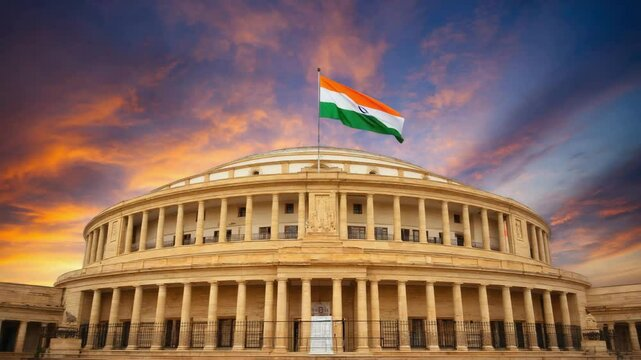
India is set to reconvene Parliament on April 16 for a significant legislative session that could reshape the country’s political structure. The government is expected to introduce a major bill proposing the expansion of the Lok Sabha from its current strength to approximately 816 seats.
This move is being viewed as one of the most important political reforms in recent years, with potential long-term implications for representation, governance, and electoral balance across the country.
Background of the Proposal
The proposal is linked to the long-pending issue of delimitation, a process through which parliamentary constituencies are redrawn based on population changes. India has not undertaken a full delimitation exercise since 1971 due to a constitutional freeze aimed at encouraging population control measures.
With significant demographic shifts over the decades, the current distribution of seats is no longer considered fully representative of the population in many regions. Expanding the Lok Sabha is seen as a way to address this imbalance.
Why Expansion is Being Considered
India’s population has grown substantially since the last delimitation exercise, making the current number of representatives relatively low compared to the size of the electorate.
Key reasons behind the proposed expansion include:
- Ensuring fair representation for growing populations
- Addressing regional imbalances in parliamentary seats
- Strengthening democratic participation
- Modernizing India’s legislative framework
The proposed increase to 816 seats would make the Lok Sabha one of the largest legislative bodies in the world.
Political and Regional Implications
The proposal is expected to have significant political consequences, particularly for states with higher population growth. Northern states such as Uttar Pradesh and Bihar could gain more seats, while southern states may see comparatively smaller increases.
This has raised concerns about regional balance, as southern states have historically performed better in population control and may feel disadvantaged under a population-based redistribution system.
Political parties are likely to debate the issue intensely, as changes in seat distribution could alter electoral dynamics and influence future governments.
Challenges and Concerns
While the proposal aims to improve representation, it also raises several challenges:
- Maintaining balance between states with different population growth rates
- Managing the logistics of a significantly larger Parliament
- Ensuring effective functioning of legislative processes
- Addressing concerns of fairness among states
There are also questions about infrastructure, as accommodating a larger number of Members of Parliament would require further expansion or optimization of parliamentary facilities.
Government’s Perspective
The government is expected to present the bill as a necessary step toward strengthening democracy and ensuring that representation reflects current realities. Officials have emphasized that the move is part of a broader effort to modernize governance and adapt to India’s evolving demographic landscape.
The upcoming parliamentary session will likely include detailed discussions, committee reviews, and debates before any final decision is made.
Broader Impact on Indian Democracy
If implemented, this reform could redefine how representation works in India. A larger Lok Sabha could allow for more localized representation, giving smaller constituencies a stronger voice in national decision-making.
At the same time, it could also lead to more complex legislative processes, requiring reforms in parliamentary procedures to maintain efficiency.
Conclusion
The proposal to expand the Lok Sabha to 816 seats marks a potentially historic moment in India’s democratic evolution. As Parliament reconvenes to debate this bill, the outcome could shape the country’s political landscape for decades to come.
Balancing representation, regional interests, and governance efficiency will be key as India considers one of its most significant parliamentary reforms in recent history.