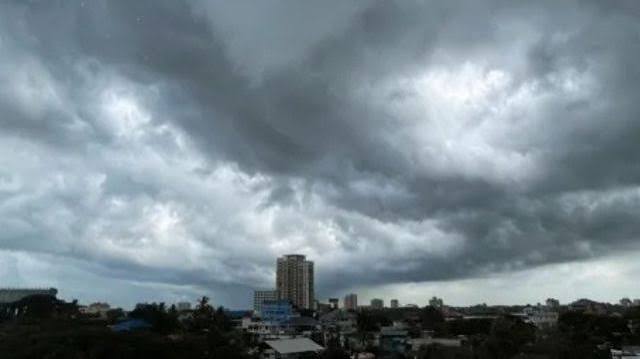
Developing storm raises concerns over heavy rain, powerful winds and coastal flooding
India’s eastern coastline is preparing for a potentially severe weather event as a deep depression over the Bay of Bengal is forecast to strengthen into Cyclone Arnab and move towards the Andhra Pradesh coast. As of October 26, 2026, the India Meteorological Department has warned that the system could intensify into a very severe cyclonic storm before approaching the coast around October 28.
The developing system has placed Andhra Pradesh and neighbouring Odisha on alert. Authorities are monitoring the storm’s movement, reviewing emergency arrangements and preparing for the possibility of heavy rainfall, damaging winds, rough seas and disruption to transport and electricity services.
The precise intensity and landfall location remain important uncertainties. Cyclones can change direction or strength as they move over warm ocean waters, making frequent forecast updates essential for emergency planning.
Coastal districts prepare for possible disruption
Andhra Pradesh is expected to face the most immediate threat if the storm follows the forecast track. Coastal areas may experience intense rainfall and strong winds, with the possibility of flooding in low-lying settlements and damage to vulnerable buildings.
Odisha is also preparing for heavy rainfall and possible disruptions. District administrations have been instructed to remain alert, while emergency personnel and response teams are preparing to assist residents if conditions deteriorate.
Schools and other educational institutions in vulnerable areas may face closures as a precaution. Such decisions are intended to reduce unnecessary travel and protect children and staff during periods when roads may become unsafe.
Fishing communities are among those facing immediate risks. Authorities have urged fishers to avoid venturing into dangerous seas, while officials are working to ensure boats return safely to shore. Strong winds and high waves can make returning to port difficult, especially when a storm intensifies faster than expected.
Why the danger extends beyond the coastline
Cyclones are often associated with destructive winds, but heavy rainfall can produce equally serious consequences. Intense precipitation may overwhelm drainage systems, flood roads and homes, and cause rivers or streams to rise rapidly.
Waterlogged roads can delay ambulances and emergency vehicles. Flooding may also affect agricultural land, damage standing crops and interrupt the movement of food and other essential goods.
Strong winds can bring down trees, damage power lines and disrupt telecommunications. Even temporary electricity failures can complicate emergency operations, particularly in areas where pumps and communication equipment depend on reliable power.
Residents in vulnerable areas should follow official warnings, avoid flooded roads and keep drinking water, medicines, important documents and basic emergency supplies ready. People living near rivers, low-lying settlements or exposed coastal areas should pay particular attention to evacuation instructions.
Emergency response and the next 48 hours
The coming days will be crucial as meteorologists assess whether the system strengthens as expected. Disaster-response teams need to be ready to move quickly if evacuation becomes necessary, while local authorities must communicate warnings clearly and ensure that shelters can accommodate residents.
The effectiveness of the response will depend on coordination between weather officials, police, local administrations, health services and emergency personnel. Clear information can help prevent panic while ensuring that people take the threat seriously.
The storm also highlights the importance of long-term coastal resilience. Stronger shelters, reliable early-warning systems, protected power infrastructure and improved drainage can reduce the damage caused by future cyclones.
For now, the immediate priority is protecting lives and ensuring that residents in vulnerable areas receive timely warnings. The eventual impact of Cyclone Arnab will depend on its final path and intensity, making official weather updates essential until the threat has passed.