
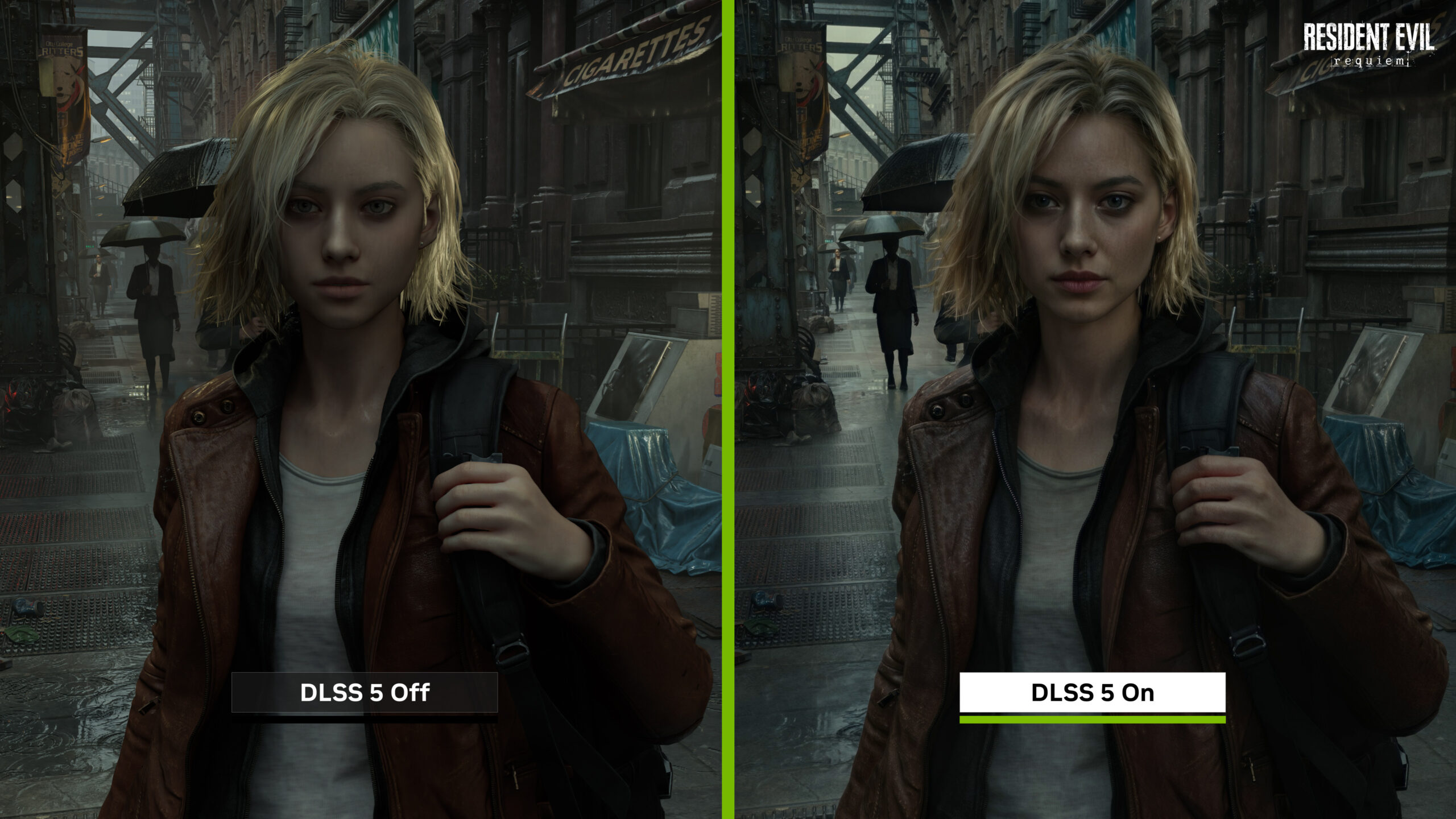
NVIDIA has introduced DLSS 5, its latest advancement in graphics technology, marking a significant change in how video games are rendered and experienced. Unlike previous versions that mainly focused on improving performance through upscaling, DLSS 5 moves further by using generative artificial intelligence to enhance the visual quality of games in real time.
This development represents a major step toward AI-driven rendering, where the system does not just improve resolution but actively reconstructs and refines visual elements such as lighting, textures, and character details.
What is DLSS 5
DLSS 5 is based on a new neural rendering approach that uses artificial intelligence to understand and enhance different components of a game scene.
Earlier versions like DLSS 2 and DLSS 3 were designed to increase frame rates and improve performance by rendering at lower resolutions and upscaling the output. DLSS 5, however, goes beyond this by applying AI models that can modify and improve the final image itself.
This means the system can adjust lighting conditions, refine materials, and even enhance facial details dynamically during gameplay.
Key Features of DLSS 5
The new technology introduces several important features that distinguish it from previous versions:
- Real-time AI-based rendering improvements
- Enhanced lighting and material quality
- Improved character detail and facial rendering
- Greater control for developers to fine-tune visual output
- Continued focus on balancing performance and quality
These features aim to deliver visuals that are closer to cinematic quality while still maintaining playable performance.
Impact on the Gaming Industry
DLSS 5 has the potential to significantly influence how games are developed and optimized. By relying on AI to handle complex visual enhancements, developers may be able to reduce the workload required for manual optimization and asset creation.
This could allow studios to focus more on design and gameplay while still achieving high-quality visuals.
The technology is also expected to play a role in future game development, especially as hardware continues to evolve alongside AI capabilities.
Reactions from Gamers
The response from the gaming community has been mixed, with a noticeable amount of criticism.
Some players have expressed concerns that DLSS 5 changes the original look and feel of games. In certain demonstrations, users pointed out that character faces appeared overly smooth or slightly altered, leading to what many described as an unnatural or artificial appearance.
Others have compared the effect to visual filters, suggesting that the technology may sometimes prioritize realism in a way that reduces the artistic identity of a game.
There is also a broader concern about how much control AI should have in shaping the final visual output.
Opinions from Game Developers
Game developers have also shared divided opinions on DLSS 5.
Some developers are cautious about its impact on artistic direction. They believe that heavy reliance on AI could lead to a more uniform visual style across different games, reducing the uniqueness of individual projects.
At the same time, other developers see DLSS 5 as a powerful tool. They argue that it can help overcome hardware limitations and provide new creative possibilities, especially in areas like lighting and realism.
Supporters of the technology believe that, when used carefully, it can enhance rather than replace artistic vision.
NVIDIA’s Perspective
NVIDIA has defended DLSS 5 by stating that the technology is designed to assist developers, not replace their work.
According to the company, DLSS 5 enhances existing assets rather than creating entirely new ones. The goal is to improve visual quality while still allowing developers to maintain control over the final look of their games.
NVIDIA also emphasizes that developers will have options to adjust how strongly the AI effects are applied.
so,
DLSS 5 represents one of the most ambitious steps toward AI-driven graphics in the gaming industry. It introduces new possibilities for realism and performance but also raises important questions about artistic control and visual authenticity.
While the technology has the potential to shape the future of game rendering, its long-term success will depend on how well it balances innovation with the creative intentions of developers.
As the industry continues to explore AI-based solutions, DLSS 5 stands as both a major breakthrough and a subject of ongoing debate.