New Delhi, September 10, 2026: India is entering an important period in both domestic and international affairs, with the upcoming BRICS Leaders’ Summit, economic pressures caused by rising global oil prices, major government decisions and several significant developments before the public and the courts dominating the national news cycle.
BRICS Summit puts India at the centre of global diplomacy
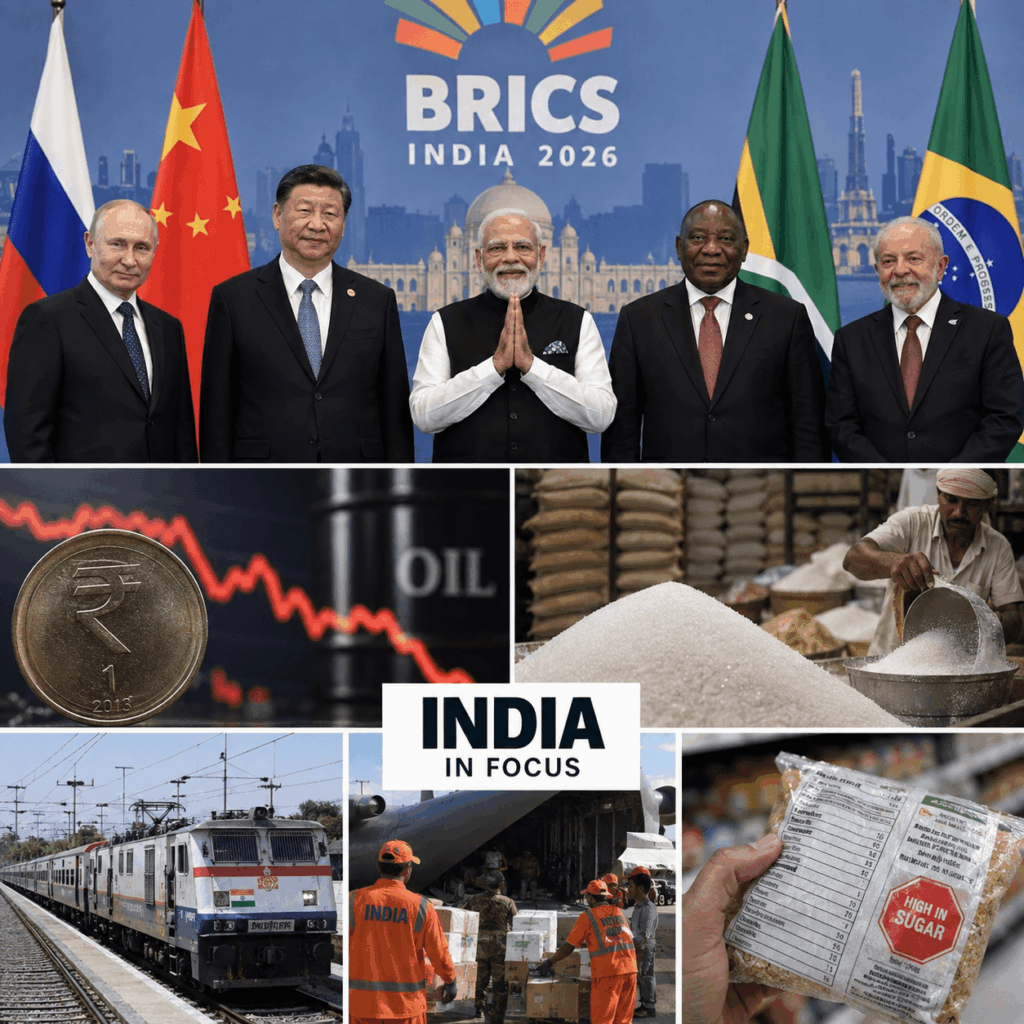
The biggest national development this week is India’s hosting of the BRICS Leaders’ Summit in New Delhi on September 12–13. The summit is particularly significant because it comes at a time of heightened geopolitical tensions in West Asia. Leaders from major BRICS countries, including Chinese President Xi Jinping and Russian President Vladimir Putin, are expected in Delhi.
India faces a complicated diplomatic challenge at the summit. Iran and the United Arab Emirates, both members of the expanded BRICS grouping, are on opposing sides of the current regional conflict. The situation has also affected energy markets, with disruptions around the Strait of Hormuz pushing crude oil prices above $100 per barrel. India, one of the world’s largest oil importers, is especially vulnerable to prolonged increases in global energy prices.
The visit of Chinese President Xi Jinping is also attracting considerable attention. It would be his first visit to India in seven years. While relations between New Delhi and Beijing have shown signs of diplomatic improvement following years of tension, economic cooperation remains constrained by security concerns, investment restrictions, visa difficulties and a lack of trust between businesses in the two countries.
Rupee under pressure as oil prices rise
The international situation is already having a direct impact on India’s economy. The Indian rupee weakened for a third consecutive session on September 10, closing at around ₹95.44 per US dollar. Rising crude oil prices, increased demand for dollars and corporate hedging have contributed to the pressure on the currency.
The Reserve Bank of India has reportedly intervened in the foreign-exchange market to support the rupee. However, continued increases in oil prices could make the task more difficult. Higher crude prices can increase India’s import bill and place additional pressure on inflation, the currency and the government’s economic management.
The developments highlight how international conflicts can quickly affect ordinary Indian consumers. If energy prices remain elevated, transportation, manufacturing and several other sectors could face higher costs.
Government acts to control rising sugar prices
Another important domestic economic issue is the rise in sugar prices ahead of India’s festival season. The government has instructed sugar mills to maintain adequate supplies and sell sugar at reasonable prices. Sugar prices had reached record levels last month and remain around 20% higher than they were two months earlier.
To improve availability, the government has allowed duty-free imports of one million metric tonnes of sugar. Applications covering around 800,000 tonnes have already been received. India is also importing sugar from Brazil for the first time in nearly a decade.
The timing is important because demand traditionally rises between August and November as Indians celebrate festivals such as Ganesh Chaturthi, Dussehra and Diwali. The government has indicated that it will closely monitor production and sales and take corrective action if necessary.
Major railway expansion receives Cabinet approval
Infrastructure development remains another major focus of the government. The Union Cabinet has approved eight railway multitracking projects worth more than ₹20,800 crore. The projects are intended to increase railway capacity, improve operational efficiency and reduce congestion on important routes.
The investment is part of India’s continuing effort to modernise its railway network and improve connectivity. Increasing the number of tracks on busy routes can allow more passenger and freight trains to operate while reducing delays caused by limited capacity.
Such projects are particularly important for an economy where railways remain a crucial method of transporting both people and goods across the country.
India strengthens humanitarian assistance to Nepal
India is also expanding its humanitarian assistance to neighbouring Nepal following devastating flash floods. According to national broadcaster Akashvani, India has sent an eighth relief flight carrying assistance and has deployed specialised personnel, including experts involved in search, rescue and forensic operations. More than 130 tonnes of relief material and 54 expert personnel have reportedly been deployed.
The response demonstrates India’s growing emphasis on regional disaster assistance and humanitarian diplomacy. Natural disasters affecting neighbouring countries can create major logistical and humanitarian challenges, making rapid cross-border cooperation particularly important.
Food safety rules could become stricter
Food regulation is another issue receiving national attention. India’s food regulator is considering stronger warning labels on packaged foods containing high levels of added sugar, salt or saturated fat. The proposed approach could involve prominent red warning symbols on products that cross specified limits.
The issue has attracted attention from both health experts and the food industry. Supporters argue that clearer warnings could help consumers make more informed decisions, while food companies have raised concerns about how such labels could affect products and businesses.
The Supreme Court has also questioned aspects of the existing regulatory approach, adding further pressure for authorities to establish a clearer and more effective system.
India at an important crossroads
Taken together, the latest developments show India dealing with several challenges simultaneously. Internationally, New Delhi is preparing to host an important BRICS summit while managing relationships with China, Russia, Iran and other major powers. Domestically, the government is dealing with inflationary pressures, infrastructure expansion and food regulation.
The biggest immediate challenge may be the combination of geopolitical uncertainty and rising energy prices. India has maintained strong economic growth, but a prolonged rise in crude prices could create pressure on the rupee and household expenses.
At the same time, India’s role as host of the BRICS summit gives New Delhi an opportunity to demonstrate diplomatic leadership. The coming days will therefore be important not only for India’s foreign policy but also for its economic outlook.
As September progresses, the country will be watching the BRICS summit closely, along with developments in global oil markets, domestic prices and the government’s response to emerging economic and social challenges. India’s ability to balance economic stability with an increasingly complex international environment will remain one of the country’s most important national stories.