
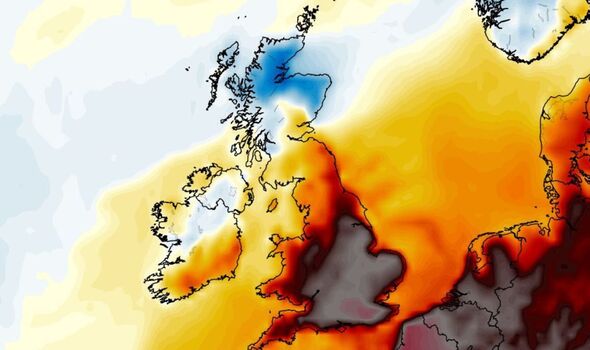
The United Kingdom is experiencing one of the most severe heatwaves in its recorded history, with record-breaking temperatures, rare red heat alerts, major transport disruptions, and growing health concerns affecting millions of people.
The extreme weather has not only pushed temperatures close to 38°C in parts of England but has also contributed to a wider European heat crisis that experts estimate has resulted in thousands of heat-related deaths. The unprecedented conditions have renewed concerns over climate resilience as scientists warn that such events are becoming more frequent and more intense.
England Records Its Hottest June Ever
According to the UK’s Met Office, June 2026 has officially become the hottest June ever recorded in England since national records began.
The record-breaking month included several consecutive days of exceptional heat, with temperatures climbing well above seasonal averages and unusually warm nights providing little relief. The UK also experienced its second-warmest June on record overall, while Wales recorded one of its hottest Junes in history.
Meteorologists say the heatwave has been unlike typical British summers, with nighttime temperatures remaining above 20°C in many areas—conditions more commonly associated with southern Europe.
Rare Red Heat Alerts Issued
For the first time, authorities issued red heat warnings across parts of England for multiple consecutive days, warning that the temperatures posed a direct risk to life.
The alerts urged residents to:
- Stay indoors during peak afternoon hours.
- Drink plenty of water.
- Avoid unnecessary travel.
- Check on elderly relatives and vulnerable neighbours.
Hospitals, emergency responders, and local authorities were placed on high alert as demand for medical assistance increased.
Heatwave Causes Widespread Disruption
The extreme temperatures have affected more than just public health.
Across the UK, the heatwave has caused:
- Rail delays due to overheating tracks.
- Flight disruptions following severe weather.
- Pressure on electricity and water networks.
- Increased risk of wildfires in dry areas.
After several days of intense heat, powerful thunderstorms swept across southern England, causing more than 600 flight delays and cancellations at Heathrow and Gatwick airports.
Europe Faces a Growing Death Toll
The UK’s heatwave is part of a much larger weather event stretching across Western and Southern Europe.
Countries including France, Spain, Portugal, Italy, and Switzerland have all experienced temperatures exceeding 40°C.
Health experts estimate that the late-June heatwave contributed to more than 20,000 excess deaths across Europe, including over 850 in the UK, making it one of the deadliest heat events in recent European history.
Many of those affected were elderly people or individuals with existing health conditions.
Scientists Point to Climate Change
Climate researchers say this type of extreme heat would have been highly unlikely without human-driven climate change.
Recent attribution studies found that rising global temperatures have significantly increased both the frequency and intensity of European heatwaves, making record-breaking temperatures far more likely than in previous decades.
Scientists also highlighted an atmospheric phenomenon known as an “Omega Block,” where a persistent high-pressure system traps hot air over a region for days, allowing temperatures to climb continuously with little chance for cooling.
Public Health Systems Under Pressure
Healthcare services across Britain have reported an increase in heat-related illnesses, including:
- Heat exhaustion.
- Dehydration.
- Heatstroke.
- Respiratory complications.
- Cardiovascular emergencies.
Health officials have repeatedly stressed that extreme heat should be treated as seriously as severe winter weather, particularly for older adults, young children, and people with chronic medical conditions.
Experts Warn the Worst May Not Be Over
Weather forecasters say another period of very hot weather could develop during the coming days as high pressure rebuilds across parts of the UK.
Some forecasts suggest temperatures may remain elevated for more than a week if current weather patterns persist.
Authorities continue to advise residents to monitor official weather updates and follow heat-health guidance.
What This Means for the Future
The 2026 heatwave has once again exposed the UK’s vulnerability to extreme temperatures.
Unlike many southern European countries, much of Britain’s infrastructure—including homes, public transport, and healthcare facilities—was designed for cooler climates rather than prolonged heat.
Climate experts argue that adapting cities, transport systems, and public health policies will become increasingly important as extreme weather events become more common.
Conclusion
The UK’s record-breaking June heatwave has become far more than a seasonal weather story. With historic temperatures, unprecedented heat warnings, major transport disruption, and thousands of heat-related deaths across Europe, it has highlighted the growing risks posed by extreme climate events. As scientists warn that such heatwaves are likely to become more frequent in the coming decades, governments face increasing pressure to strengthen climate adaptation measures and better protect vulnerable communities.