
In one of the biggest political developments of 2026, British Prime Minister Keir Starmer has announced his resignation, bringing an abrupt end to a premiership that began with enormous expectations following Labour’s landslide election victory in 2024. The announcement has sent shockwaves through British politics and triggered an immediate battle over who will lead the United Kingdom next.
Starmer’s resignation comes less than two years after he ended 14 years of Conservative rule and returned Labour to power with one of the party’s most significant electoral victories in modern history. At the time, many analysts believed he would dominate British politics for years. Instead, his government has become one of the shortest-lived administrations in recent UK history.
An Emotional Resignation
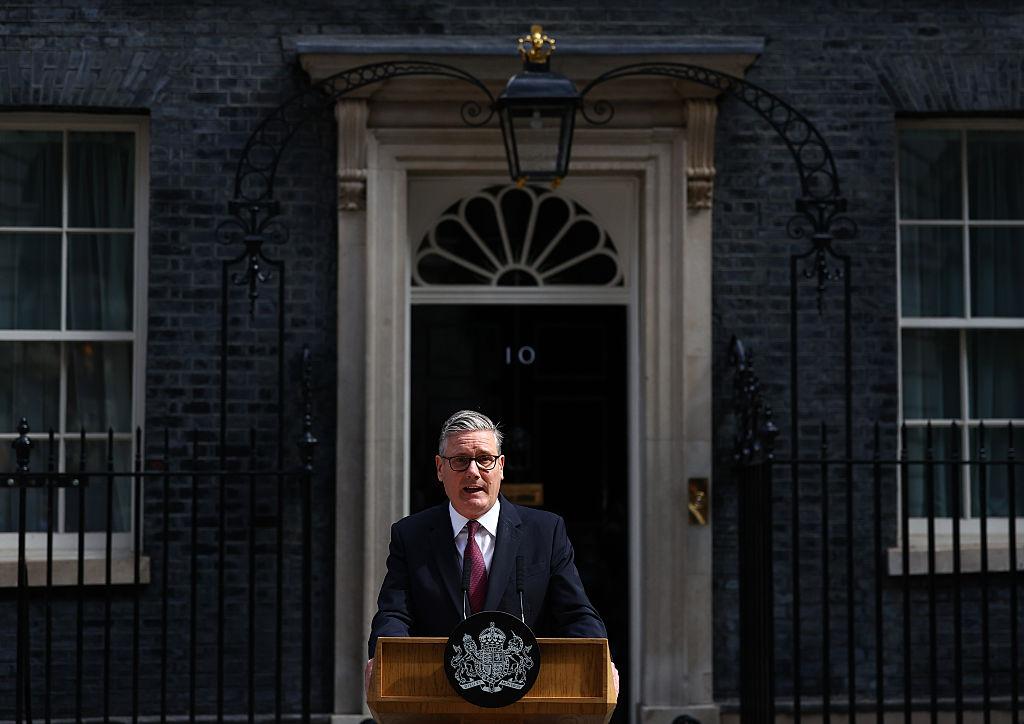
Standing outside Number 10 Downing Street, Starmer delivered an emotional resignation speech in which he said the decision was made in the interests of party unity and national stability.
According to reports, he acknowledged that confidence in his leadership had deteriorated within sections of the Labour Party and stated that he did not want internal divisions to distract from governing the country. He will remain in office temporarily while the leadership transition takes place.
The resignation immediately became the dominant story across British media, with newspaper front pages describing it as one of the most dramatic political reversals in recent years.
From Historic Victory to Political Crisis
The scale of Starmer’s fall has surprised political observers.
In July 2024, Labour swept to power after years in opposition. Starmer was credited with rebuilding the party’s image and convincing voters that Labour was ready to govern again. His victory was seen as a turning point in British politics.
However, the optimism that surrounded his arrival in Downing Street gradually faded.
Over the past year, Labour faced:
- Falling popularity ratings.
- Internal disagreements.
- Poor local election performances.
- Growing pressure from opposition parties.
- Increasing criticism from some Labour MPs.
The situation worsened after Labour suffered major setbacks in local elections, leading many MPs to openly question whether Starmer could lead the party into the next general election.
Internal Pressure Reached Breaking Point
While opposition criticism is normal for any government, Starmer’s biggest challenge increasingly came from within his own party.
For months, reports suggested that Labour MPs were becoming frustrated with the government’s direction, communication strategy, and declining public support. Senior figures began expressing concerns privately, while others started doing so publicly.
Political tensions intensified after a series of controversies involving senior appointments and internal party disputes. Several key advisers departed the government, further fueling speculation about Starmer’s future.
By June 2026, pressure had reached a level many analysts considered unsustainable.
Andy Burnham Emerges as Front-Runner
Attention has now shifted almost entirely toward who will replace Starmer.
The overwhelming favorite is Andy Burnham, who recently returned to Parliament and has rapidly become the leading candidate to take control of the Labour Party.
Former Health Secretary Wes Streeting has already publicly backed Burnham and ruled himself out of the leadership race, strengthening Burnham’s position even further.
Many observers now believe Burnham could become Britain’s next Prime Minister within weeks.
Why Burnham Matters
Burnham is one of the most recognizable figures in British politics.
During his time as Mayor of Greater Manchester, he built a reputation as a politician willing to challenge both Conservative and Labour leadership when he believed regional interests were being ignored.
Supporters view him as:
- More connected to ordinary voters.
- A strong communicator.
- Capable of rebuilding Labour’s popularity.
- Better positioned to challenge emerging political rivals.
Critics, however, argue that Burnham has not yet fully explained how he would address Britain’s economic and political challenges.
The Rise of Reform UK Changed Everything
One major factor behind Labour’s difficulties has been the rapid growth of Nigel Farage and Reform UK.
Recent local elections demonstrated significant voter frustration with both Labour and the Conservatives. Reform UK’s gains have forced both major parties to rethink their strategies.
Several Labour MPs reportedly feared that Starmer was losing the ability to connect with voters in key areas of the country.
That concern became a major factor behind calls for leadership change.
Economic Markets Stay Calm
Interestingly, financial markets reacted relatively calmly to the resignation.
European shares actually rose following reports of political transition and continued progress in international diplomacy elsewhere. Investors appear confident that Britain’s institutions can manage the leadership change without major disruption.
This contrasts with previous British political crises, where leadership changes sometimes triggered significant market volatility.
Britain’s Seventh Prime Minister in a Decade?
One statistic repeatedly highlighted by commentators is the pace of leadership turnover in the United Kingdom.
If Burnham becomes Prime Minister, Britain will have had seven Prime Ministers in roughly a decade, an extraordinary level of political change for one of the world’s oldest parliamentary democracies.
The rapid turnover has raised questions about long-term political stability and whether governments are being given enough time to implement major reforms.
What Happens Next?
The Labour Party is expected to begin the formal leadership process in July.
If no serious challenger emerges, Burnham could effectively be installed without a prolonged contest. However, party officials have not yet finalized the full timetable.
Key questions facing Labour include:
- Who becomes the next Prime Minister?
- Can Labour rebuild public trust?
- How will it respond to Reform UK’s rise?
- Will economic policy change?
- Can the party avoid further internal divisions?
The answers will shape British politics for years to come.
Why This Matters Globally
Britain remains one of the world’s most influential countries in diplomacy, defense, finance, and international trade.
A leadership change in London therefore affects:
- European politics.
- NATO coordination.
- Ukraine policy.
- Trade negotiations.
- Global financial markets.
World leaders will now be watching closely to see who emerges from Labour’s transition process and what direction Britain’s next government chooses.
Conclusion
Keir Starmer’s resignation marks one of the most dramatic political downfalls in recent British history. Less than two years after securing a historic election victory, the Labour leader has stepped aside amid mounting internal pressure, declining popularity, and growing uncertainty about the party’s future.
The focus now turns to Andy Burnham, who appears poised to become Britain’s next Prime Minister. Whether he can restore Labour’s momentum and stabilize British politics remains to be seen, but one thing is already clear: the political era that began with Starmer’s landslide victory has ended far sooner than almost anyone expected.