
The recently announced ceasefire between the United States and Iran is showing signs of fragility as tensions continue to persist across the Gulf region. While the agreement initially brought temporary relief to global markets and reduced immediate fears of escalation, ongoing developments suggest that the situation remains unstable.
The ceasefire was intended to pause military actions and open a window for diplomatic negotiations. However, both sides continue to express concerns over unresolved issues, raising doubts about the long-term sustainability of the truce.
Ongoing Tensions in the Gulf
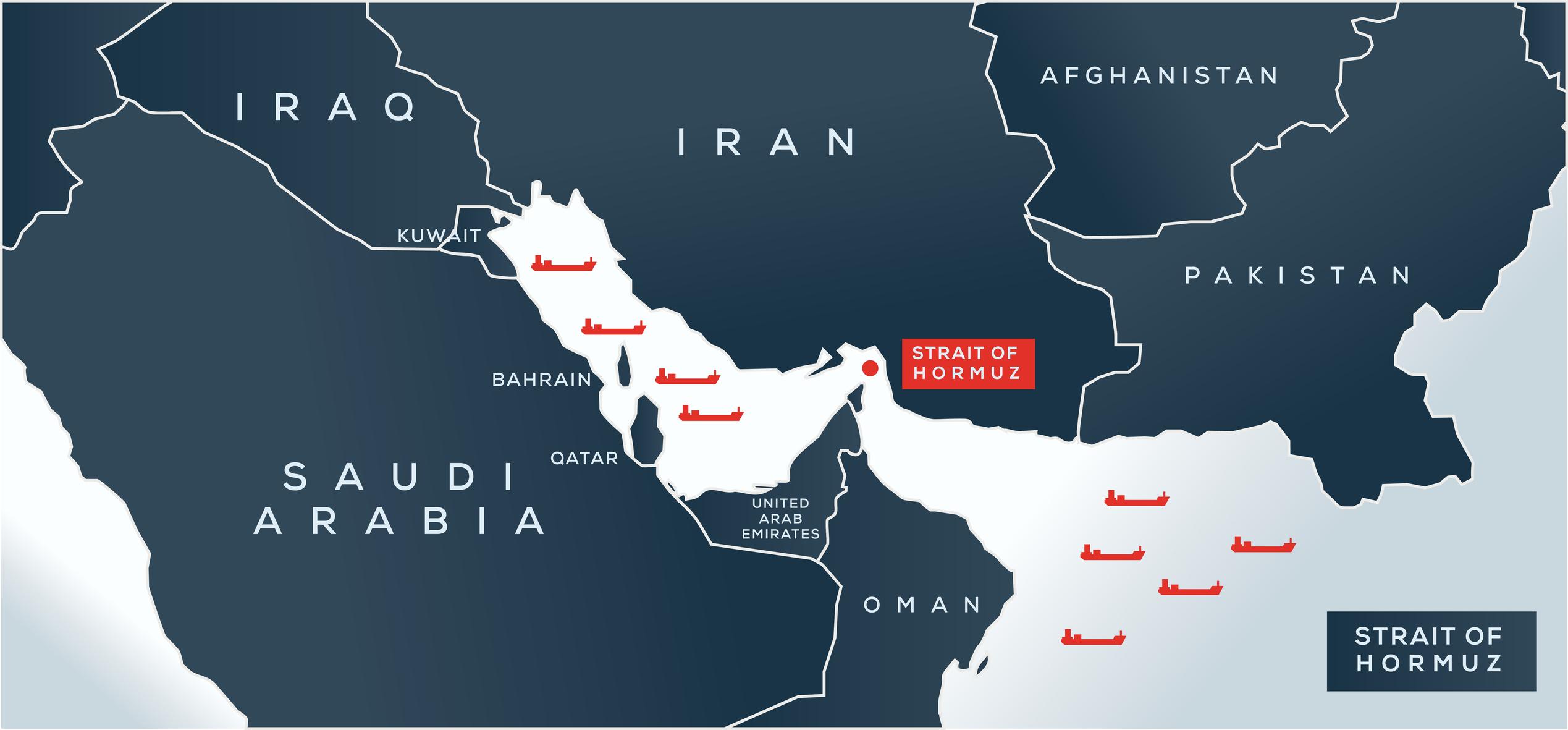
The Gulf region, particularly around the Strait of Hormuz, remains a focal point of concern. This narrow waterway is critical for global energy transportation, with a significant portion of the world’s oil and gas supply passing through it.
Despite the ceasefire, reports indicate increased military vigilance in the region. Naval patrols have intensified, and both sides remain on high alert, reflecting a lack of full trust between the parties involved.
Key Issues Behind the Uncertainty
Several unresolved issues continue to threaten the stability of the ceasefire:
- Disagreements over Iran’s nuclear program
- Ongoing economic sanctions imposed by the United States
- Regional alliances and military presence in the Middle East
- Security concerns related to shipping routes and energy infrastructure
These factors make it difficult to reach a comprehensive agreement, even with ongoing diplomatic efforts.
Impact on Global Energy Markets
The uncertainty surrounding the ceasefire has had a direct impact on global energy markets. Oil prices remain volatile as traders react to the possibility of renewed conflict or disruptions in supply routes.
Any escalation in the Gulf region could affect global energy supply chains, leading to increased fuel costs and economic pressure on importing countries, including India and other major economies.
Diplomatic Efforts Continue
Despite the challenges, diplomatic channels remain active. Several countries and international organizations are encouraging both sides to maintain the ceasefire and continue negotiations.
Mediation efforts from regional and global players aim to prevent further escalation and work toward a more stable, long-term agreement.
Regional and Global Implications
The situation has broader implications beyond the immediate conflict. Stability in the Gulf region is essential for global trade, energy security, and geopolitical balance.
Any breakdown in the ceasefire could lead to:
- Renewed military conflict
- Disruption in global oil supply
- Increased geopolitical tensions worldwide
Countries across the world are closely monitoring the situation due to its potential economic and strategic impact.
Conclusion
While the US–Iran ceasefire has provided temporary relief, ongoing tensions highlight the fragile nature of the agreement. With key issues still unresolved, the risk of escalation remains present.
The coming weeks will be critical in determining whether diplomatic efforts can lead to a lasting resolution or if the region will face renewed instability. Maintaining dialogue and reducing tensions will be essential to ensuring peace and stability in one of the world’s most strategically important regions.