
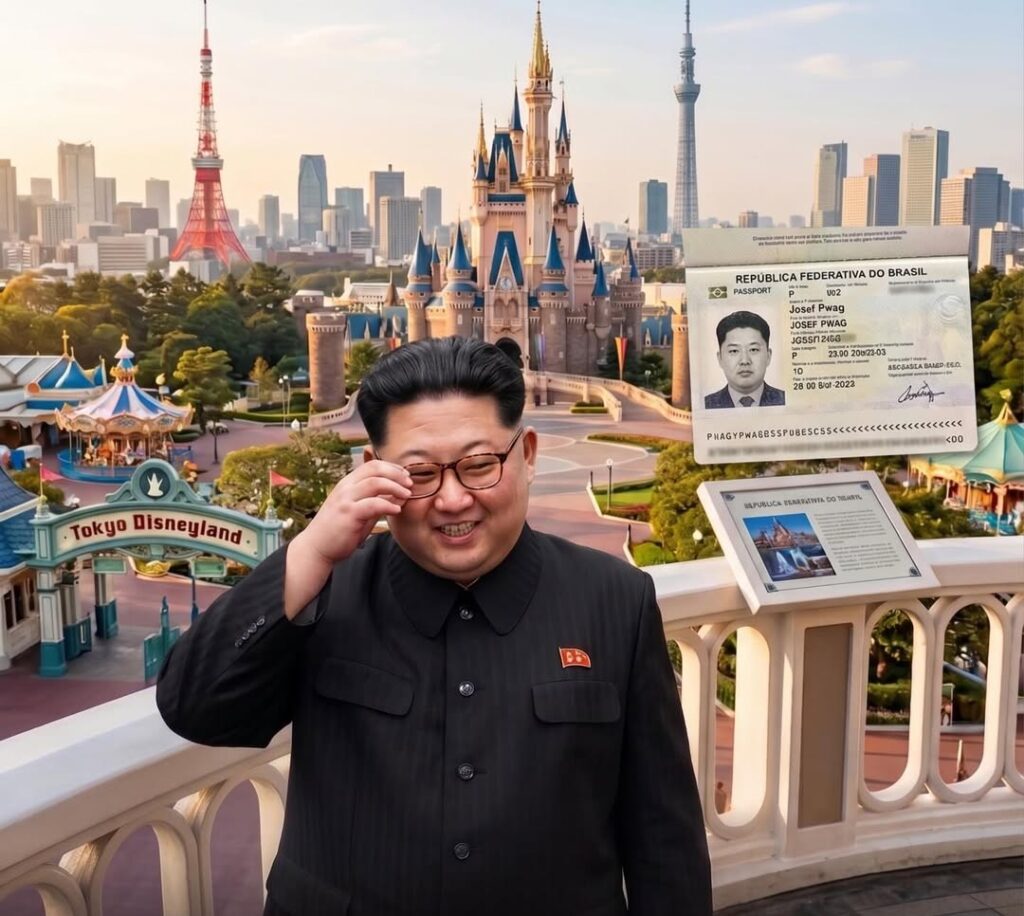
In the high-stakes world of international diplomacy and North Korean Hermit Kingdom secrecy, few stories are as bizarre—or as verified—as the Kim family’s obsession with Mickey Mouse. While North Korea’s leadership often projects an image of staunch anti-Western sentiment, historical records and intelligence leaks reveal a surprising penchant for the “happiest place on earth,” facilitated by a collection of fraudulent South American travel documents.
The Legend of “Josef Pwag”
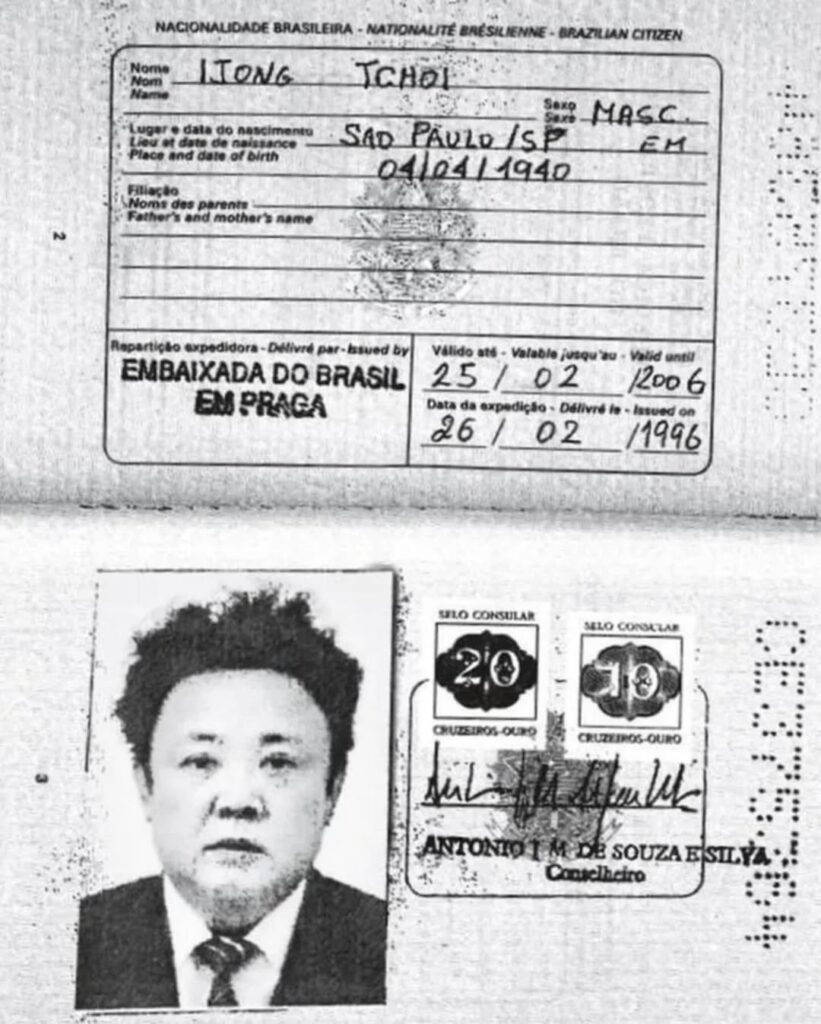
Recent retrospectives and archival releases from security agencies have brought renewed attention to a peculiar piece of history: Kim Jong Un’s 1990s travel documents. According to reports verified by Reuters and Japanese security officials, Kim Jong Un and his father, Kim Jong Il, utilized fraudulent Brazilian passports to apply for visas in Western countries during the 1990s. The documents, which surfaced via Western European security sources, show a young, leaner Kim Jong Un under the alias “Josef Pwag.”
The specifics of the fake ID include:
- Name: Josef Pwag
- Place of Birth: São Paulo, Brazil
- Date of Issuance: February 26, 1996
- Issuing Authority: Embassy of Brazil in Prague
Facial recognition technology has since confirmed that the photographs on these passports—despite the Portuguese aliases—are indeed those of the North Korean leaders.
The 1991 Tokyo Disneyland Excursion
While the 1996 “Josef Pwag” passport was likely used to scout potential escape routes or secure visas for Europe, Kim Jong Un’s most famous “clandestine vacation” occurred even earlier.
In May 1991, a seven-year-old Kim Jong Un allegedly entered Japan using a different Brazilian passport. He was accompanied by his older brother, Kim Jong-chul, and a group of approximately ten North Korean officials. According to the Japanese newspaper Yomiuri Shimbun and broadcaster NHK, the group spent over a week in the country, visiting Tokyo Disneyland multiple times.
Japanese immigration officials at the time did not detect the fraud, as Brazilian passports were—and remain—highly valued on the black market due to Brazil’s immense ethnic diversity, which makes it easier for people of various backgrounds to pass as citizens.
The Family “Curse”: Kim Jong-nam’s Downfall
The obsession with Tokyo Disneyland eventually became a geopolitical turning point for the dynasty. In 2001, Kim Jong Un’s older half-brother, Kim Jong-nam, was famously detained at Tokyo’s Narita International Airport.
He was caught attempting to enter Japan on a forged Dominican Republic passport under the Chinese name “Pang Xiong” (meaning “fat bear”). When questioned by authorities, he admitted his goal was to take his son to Tokyo Disneyland. This public embarrassment reportedly infuriated Kim Jong Il, leading to Kim Jong-nam being cast out of the succession line, ultimately clearing the path for Kim Jong Un to become the Supreme Leader.
Why a Brazilian Passport?
Security experts note that the choice of Brazil was strategic. Brazil is home to the largest Japanese community outside of Japan (the Nikkei), meaning an East Asian face on a Brazilian document would not immediately trigger suspicion from border agents.
“It shows the desire for travel and points to the ruling family’s attempts to build a possible escape route,” a senior Western security source told Reuters.
Fact Check Summary
- Did Kim Jong Un have a fake Brazilian ID? Yes. It was issued in 1996 under the name Josef Pwag.
- Did he visit Tokyo Disneyland? Japanese intelligence reports indicate he visited as a child in 1991.
- Was he caught? No. Unlike his brother Kim Jong-nam, Kim Jong Un successfully navigated the border using the fraudulent documents.