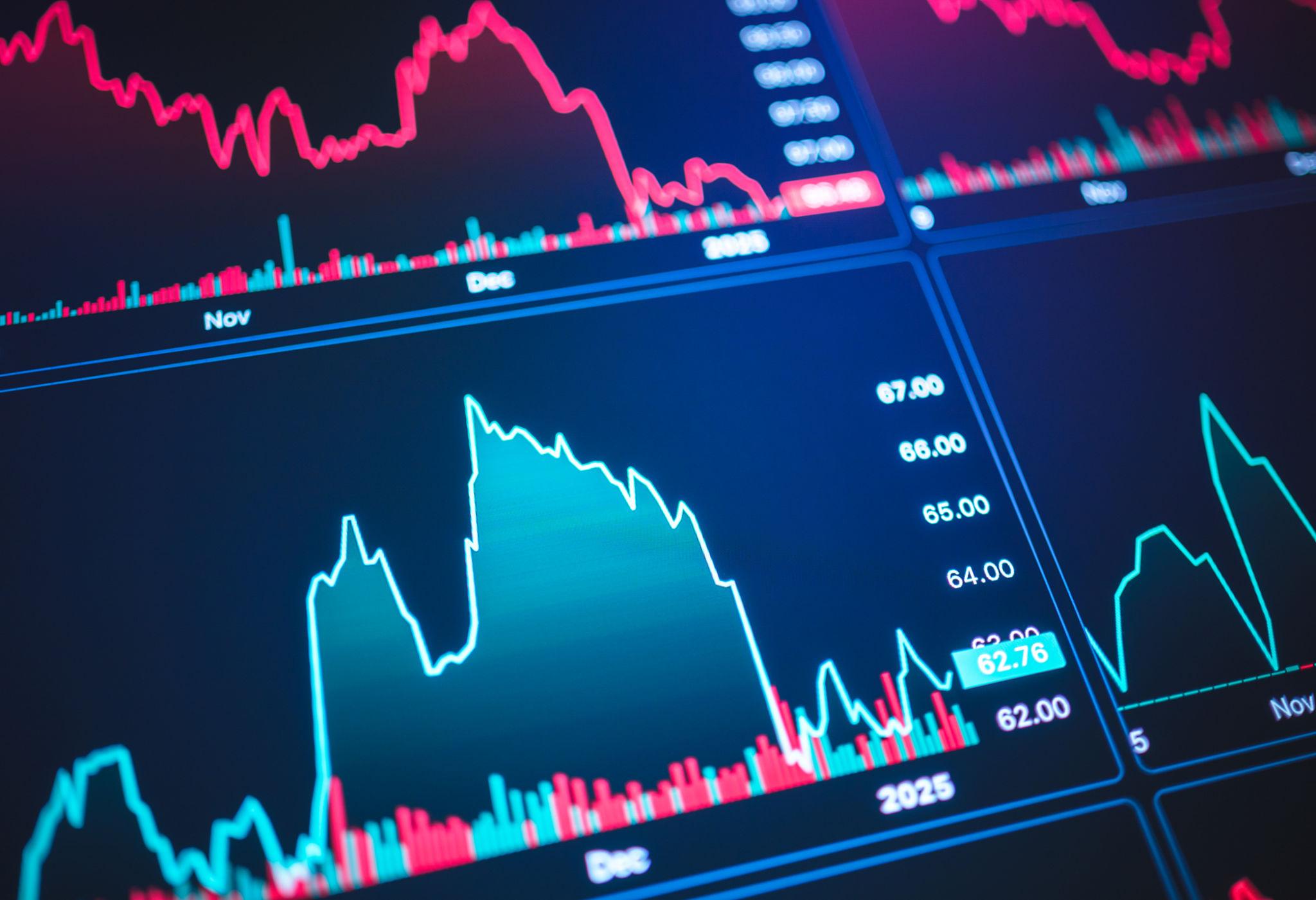
Global financial markets are experiencing heightened volatility as geopolitical tensions continue to escalate across multiple regions. Ongoing conflicts in the Middle East, particularly involving Iran and shifting global alliances, have created uncertainty among investors, leading to fluctuations in stock markets, commodities, and currencies worldwide.
The instability comes at a time when global economies are already navigating inflation pressures and post-pandemic recovery challenges, making the impact of geopolitical risks even more significant.
Key Drivers of Market Volatility
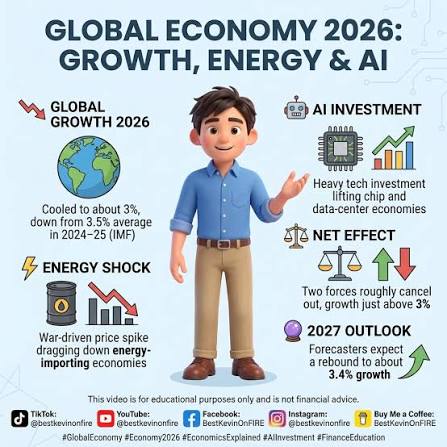
Several factors are contributing to the current market instability. The most prominent among them is the ongoing conflict in the Middle East, which has disrupted critical energy supply routes and increased concerns over oil and gas availability.
Tensions around the Strait of Hormuz, a vital passage for global energy transportation, have raised fears of supply disruptions. As a result, oil prices have shown sharp fluctuations, directly impacting global markets.
In addition, uncertainty around international alliances, including policy signals from major global powers, has added to investor caution and reduced confidence in market stability.
Impact on Global Stock Markets
Stock markets across major economies have responded with increased volatility. Investors are shifting funds between sectors, moving away from riskier assets toward safer investments such as gold and government bonds.
Key trends observed include:
- Sudden drops in major stock indices followed by partial recoveries
- Increased trading volumes due to uncertainty
- Decline in sectors heavily dependent on global trade and energy
Technology and energy stocks have shown mixed performance, with some benefiting from rising energy prices while others face pressure due to supply concerns.
Currency and Commodity Movements
Currencies have also been affected, with fluctuations seen in major global currencies as investors react to geopolitical developments. The US dollar has shown relative strength as a safe-haven currency, while emerging market currencies have experienced pressure.
Gold prices have risen as investors seek stability, reinforcing its traditional role as a safe investment during uncertain times.
Meanwhile, oil and gas prices continue to remain unpredictable, influenced by ongoing developments in the Middle East and decisions regarding production and supply.
Impact on India and Emerging Markets
Emerging economies like India are particularly sensitive to global market volatility. Rising oil prices can increase import costs, leading to inflationary pressures and affecting economic growth.
Indian stock markets have also reflected global trends, with fluctuations driven by both domestic factors and international developments. Investors are closely monitoring the situation, especially regarding energy supply and currency stability.
Investor Sentiment and Risk Outlook
Investor sentiment remains cautious as uncertainty continues. Analysts suggest that markets are likely to remain volatile in the short term, depending on how geopolitical events unfold.
Factors that will influence future market trends include:
- Progress in diplomatic efforts to reduce tensions
- Stability of energy supply chains
- Policy decisions by major economies
Investors are advised to adopt a balanced approach, focusing on risk management and diversification during this period.
Conclusion
The current volatility in global markets highlights the strong connection between geopolitical events and financial systems. As tensions rise and uncertainty persists, markets are expected to remain sensitive to any developments.
While short-term fluctuations may continue, long-term stability will depend on diplomatic resolutions and the ability of global economies to adapt to changing conditions.