
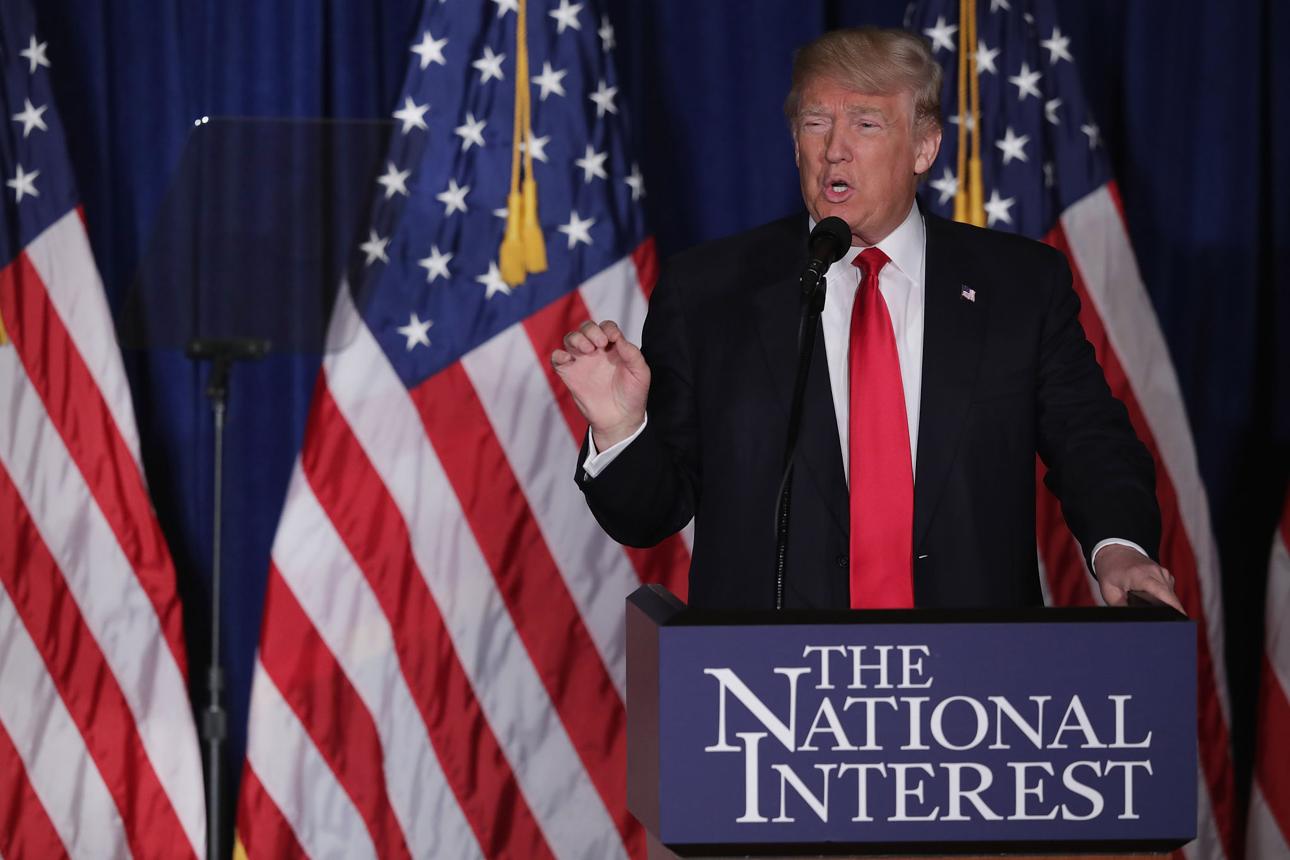
Tensions within the NATO alliance are increasing as former US President Donald Trump signals potential shifts in American foreign policy, particularly in relation to the ongoing Iran conflict. His recent statements have raised concerns among allied nations about the future direction of US commitments to global security frameworks.
The development comes at a time when geopolitical instability is already high due to escalating tensions in the Middle East, making unity among Western allies more critical than ever.
Trump’s Policy Signals
Trump has publicly criticized aspects of current US involvement in the Iran conflict, suggesting that existing strategies may not align with American interests. He has indicated that, if given the opportunity, he could reconsider the scale and nature of US engagement in international conflicts.
These remarks have sparked debate over whether the United States might reduce its role in NATO-led operations or adopt a more independent approach to foreign policy.
Concerns Among NATO Allies
Several NATO member states have expressed concern over the uncertainty created by these signals. The alliance has long relied on strong US leadership, both in terms of military capability and strategic direction.
Any shift in US policy could impact:
- Collective defense commitments
- Military coordination among member nations
- Ongoing operations linked to global security threats
European allies, in particular, are closely monitoring the situation, as they depend heavily on US support for defense and deterrence.
Impact of the Iran Conflict
The ongoing conflict involving Iran has further complicated the situation. NATO members are divided on how to respond, with some supporting stronger action and others urging diplomatic solutions.
Trump’s criticism of current strategies has added another layer of complexity, potentially influencing how different countries position themselves within the alliance.
The uncertainty also affects broader regional stability, especially in areas where NATO interests overlap with Middle Eastern geopolitical dynamics.
Strategic Implications
A potential shift in US policy could have long-term consequences for NATO’s role in global security. If the United States reduces its involvement, other member states may need to increase their defense spending and take on greater responsibility.
This could lead to:
- A rebalancing of power within the alliance
- Greater emphasis on European-led defense initiatives
- Changes in how NATO responds to global conflicts
At the same time, it may encourage more independent foreign policies among member nations.
Global Reactions
International observers and analysts have highlighted the risks associated with uncertainty in NATO’s direction. Stability within the alliance is seen as a key factor in maintaining global security, particularly during times of geopolitical tension.
Markets and policymakers are also watching closely, as shifts in defense alliances can influence economic conditions, trade relationships, and investor confidence.
Conclusion
The rise in NATO tensions reflects deeper questions about the future of global alliances and the role of the United States in international security. As Trump signals possible policy changes amid the Iran conflict, uncertainty continues to grow among allied nations.
The coming months will be crucial in determining whether these tensions lead to significant changes within NATO or remain part of ongoing political debate. Ensuring stability and cooperation among member states will be essential in navigating an increasingly complex global landscape.