
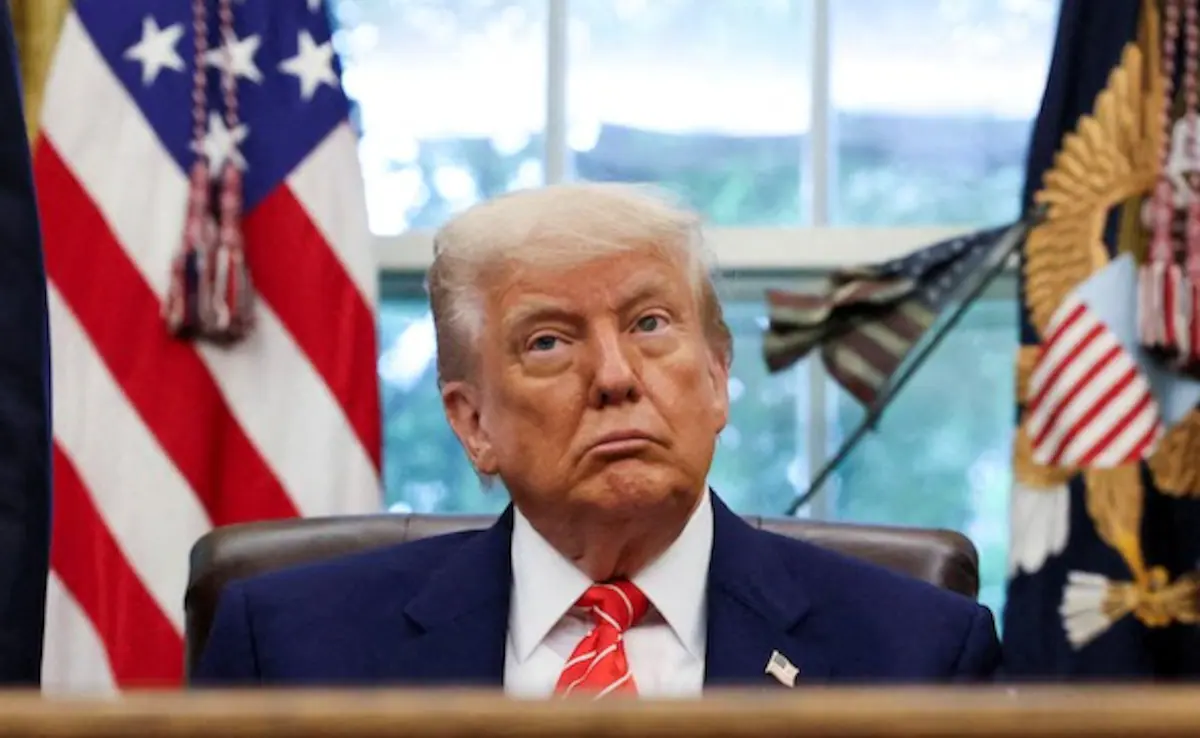
A major development has emerged in the ongoing Iran conflict as the United States and Iran have agreed to a temporary ceasefire, marking a significant pause after weeks of escalating military tensions. Former US President Donald Trump announced a two-week truce, just hours before a planned escalation of military strikes.
The ceasefire comes after intense diplomatic efforts, with Pakistan playing a crucial role in mediating between the two sides and helping prevent a broader regional war.
Ceasefire Agreement and Immediate Impact
According to reports, the ceasefire includes a temporary halt to US and allied strikes on Iran, allowing both sides to step back from direct confrontation. The agreement was reached shortly before a US deadline that threatened large-scale attacks on Iranian infrastructure.
As part of the deal, Iran has agreed to ensure the reopening and safe passage through the Strait of Hormuz, one of the world’s most critical energy corridors. This route handles a significant portion of global oil and gas shipments, making it vital for international markets.
The ceasefire has already had an immediate impact, with global oil prices showing signs of stabilization after weeks of volatility.
Pakistan’s Role in Mediation
Pakistan emerged as a key diplomatic player in de-escalating the crisis. Prime Minister Shehbaz Sharif actively engaged with both US and Iranian leadership, proposing a framework to pause hostilities and open the door for negotiations.
Reports indicate that Pakistan not only requested a delay in military action but also offered to host peace talks in Islamabad, positioning itself as a neutral mediator in the conflict.
Further discussions between US and Iranian officials are expected to take place in Islamabad, where both sides will attempt to negotiate a longer-term agreement.
Terms and Conditions of the Truce
While the ceasefire has been welcomed globally, it remains conditional and fragile. Key elements of the agreement include:
- A two-week halt in military operations
- Reopening of the Strait of Hormuz for global trade
- Initiation of diplomatic talks for a broader peace agreement
- Consideration of Iran’s proposed framework for future negotiations
Despite this progress, major disagreements remain, particularly over Iran’s nuclear program and sanctions imposed by the United States.
Global Reactions and Market Response
The ceasefire has been welcomed by global leaders and international organizations, who view it as a critical step toward preventing a larger regional conflict. Markets also responded positively, with oil prices dropping and investor confidence improving shortly after the announcement.
However, experts caution that the situation remains highly unstable, and any breakdown in negotiations could quickly lead to renewed conflict.
Ongoing Challenges and Uncertainty
Although both the US and Iran have claimed success following the agreement, the underlying issues that led to the conflict remain unresolved. Iran continues to push for sanctions relief and maintains its stance on nuclear development, while the US seeks stricter controls and broader concessions.
Military activity in parts of the region has not fully ceased, and tensions remain high among allied groups, indicating that the ceasefire is only a temporary pause rather than a permanent solution.
Conclusion
The US-Iran ceasefire marks a crucial moment in the ongoing conflict, offering a brief window for diplomacy after weeks of escalation. Pakistan’s role as a mediator has been central in bringing both sides to the negotiating table, highlighting its growing importance in regional diplomacy.
While the agreement provides temporary relief to global markets and reduces immediate military risks, the path to a lasting peace remains uncertain. The coming weeks of negotiations will be critical in determining whether this ceasefire can evolve into a long-term resolution or remain a short-lived pause in a larger conflict.